Blog
How to Store Drug Test Kits: A Professional Guide


TL;DR:
- Proper storage of drug test kits involves maintaining controlled temperature, humidity, and light conditions to ensure reagent stability and test accuracy. Kits should be stored between 59°F and 86°F, with humidity below 60%, in dark, sealed containers away from chemicals, with restricted access for regulatory compliance. Using a written protocol, temperature monitoring devices, and proper stock rotation helps prevent storage mistakes that compromise test reliability.
Proper storage of drug test kits is defined as maintaining controlled environmental conditions that preserve reagent integrity, prevent false results, and satisfy FDA and CLIA regulatory requirements. Most rapid immunoassay kits, including urine drug test cups and dip cards, require storage between 59°F and 86°F (15°C to 30°C). Failing to meet those conditions degrades the antibody-based reactive zones that make these tests work. Whether you manage a clinical lab, run an HR compliance program, or keep kits on hand for personal use, knowing how to store drug test kits correctly is the difference between a reliable result and a costly error.
How to store drug test kits: optimal environmental conditions
The single most important variable in drug test kit storage is temperature. Most rapid drug test kits require room-temperature storage between 4°C and 25°C or 15°C to 30°C, depending on the specific product. Freezing destroys the nitrocellulose membranes inside lateral flow strips. Excessive heat accelerates antibody breakdown and shortens drug test kit shelf life well before the printed expiration date.
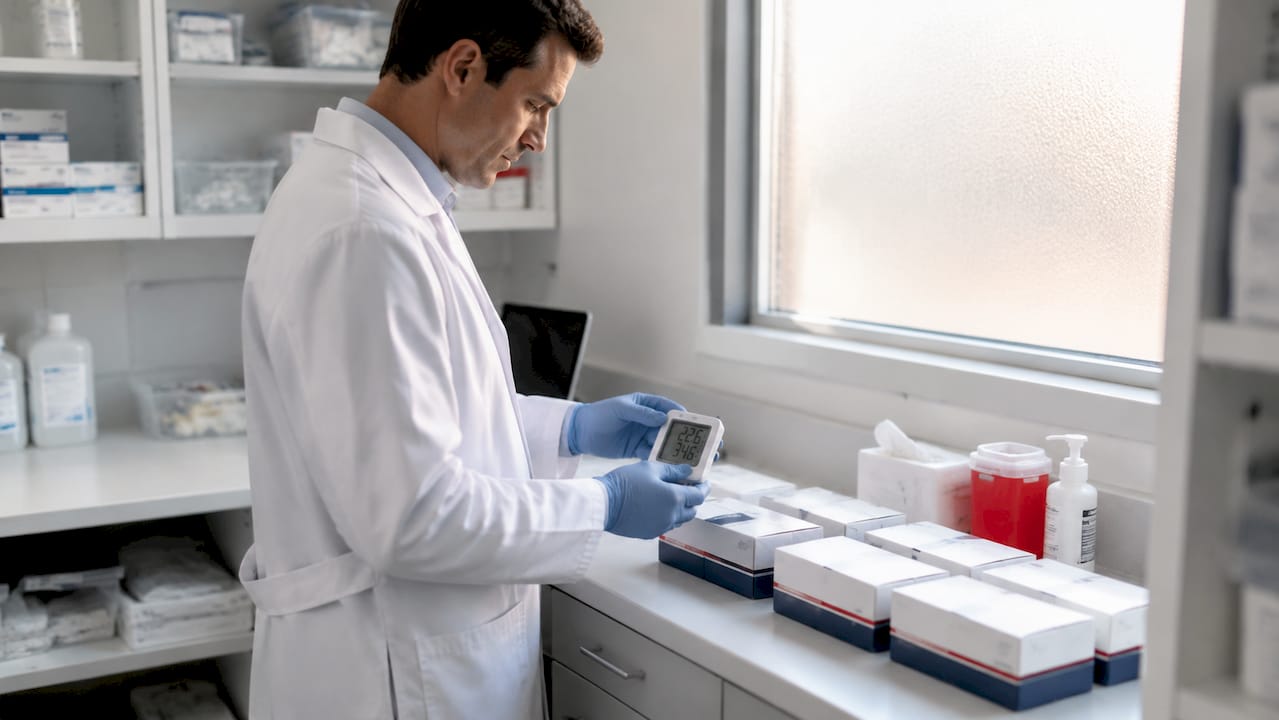
Humidity is the second threat. Humidity above 60% interferes with the reactive zones on test strips and produces inaccurate results. That means a bathroom cabinet, a basement shelf near a sump pump, or a storage room without climate control are all poor choices. Silica gel desiccant packs placed inside storage containers actively pull moisture from the air and are the most practical solution for humid environments.
Light exposure is a less obvious but equally serious problem. UV light breaks down test kit reagents over time, and even indirect artificial lighting causes gradual degradation. Store kits inside opaque containers or closed cabinets, away from windows and fluorescent overhead lighting.
Chemical contamination rounds out the four core threats. Chlorine and bromine destabilize chemical reagents and compromise test accuracy. Keep drug test kits away from cleaning supply closets, janitorial rooms, and any area where volatile chemicals are stored or used.
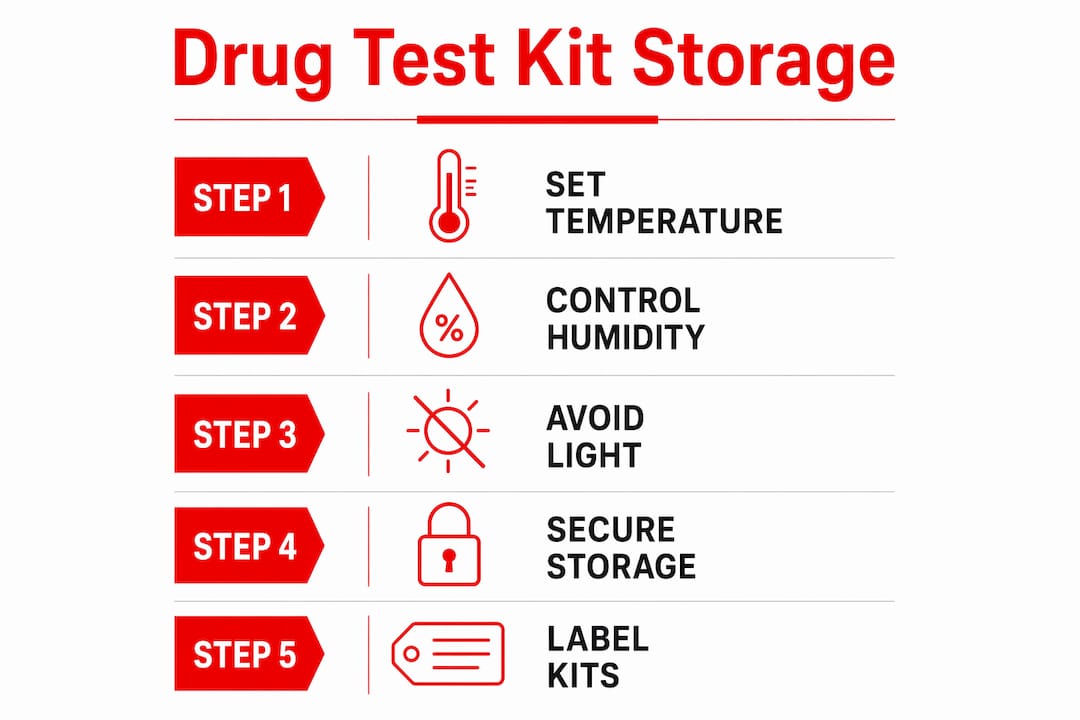
Key environmental conditions to control:
- Temperature: 59°F to 86°F (15°C to 30°C); never freeze
- Humidity: Below 60%; use silica gel desiccants in humid climates
- Light: Dark storage in opaque containers or closed cabinets
- Chemical exposure: Away from chlorine, bromine, and cleaning agents
Pro Tip: Install a digital thermometer/hygrometer combo unit in your storage area. Units from brands like Govee or Inkbird cost under $20 and give you real-time readings so you catch problems before they ruin a batch of kits.
How to organize and secure your drug test kit storage area
A dedicated, secured storage zone does more than protect kits physically. Restricted access storage is critical for maintaining chain of custody and inventory integrity, both of which matter during regulatory audits. If unauthorized personnel can access your kits, your chain of custody documentation becomes legally questionable.
Follow these steps to set up a compliant storage area:
- Designate a locked space. Use a locked cabinet, closet, or room accessible only to authorized personnel. Document who holds access.
- Keep kits in original packaging. Original sealed packaging protects kits from moisture, light, and contamination until the moment of use. Never open a kit early.
- Label everything clearly. Mark shelves by kit type, panel count, and storage requirements. Separate 12-panel cups from 18-panel cups and from single-analyte strips.
- Segregate by storage needs. Some liquid reagents require refrigeration. Keep those separate from room-temperature kits to avoid accidental freezing or cross-contamination.
- Conduct regular stock audits. Check expiration dates monthly. Pull and dispose of expired or damaged kits immediately, and log the disposal in your inventory records.
Creating a dedicated storage zone also supports regulatory audit readiness through chain of custody enforcement. Auditors from SAMHSA, DOT, or state health departments expect to see organized, documented storage. A messy, unlabeled cabinet signals compliance risk.
Pro Tip: Use color-coded labels or bins by kit type. Red for expired or quarantined kits, green for in-stock and ready to use. This system takes five minutes to set up and eliminates the most common audit finding: mixed or untracked inventory.
Step-by-step: storing drug test kits for short-term and long-term use
Short-term and long-term storage require the same environmental controls but differ in how actively you manage the inventory. Here is a practical process for both scenarios.
Short-term storage (daily or weekly use):
- Keep kits sealed in their original foil pouches or blister packs until the moment of testing.
- Allow refrigerated kits to reach room temperature before opening. Frequent temperature shifts shorten reagent usability, so remove only what you need for that session.
- Handle liquid reagents with care. Tighten lids immediately after use and never swap caps between bottles, as cross-contamination ruins the entire reagent set.
- Return unused kits to the secured storage area the same day.
Long-term storage (bulk inventory or infrequent use):
- Store bulk kits in their original manufacturer cartons inside a climate-controlled cabinet.
- Place silica gel packs inside each storage container. Replace them every 3–6 months or when the indicator beads change color.
- Avoid placing storage units near plumbing, exterior walls, or HVAC vents. Kits stored near plumbing or exterior walls experience humidity spikes and temperature swings that cause premature degradation.
- Apply FIFO (First In, First Out) rotation. FIFO stock rotation reduces waste and keeps the freshest kits available, even when shelf life exceeds one year.
The table below summarizes the best way to store drug tests across different use scenarios:
| Storage Scenario | Temperature | Humidity Control | Key Action |
|---|---|---|---|
| Daily clinical use | 59°F–86°F | Below 60% | Open kits only at time of test |
| Bulk long-term storage | 59°F–86°F | Silica gel packs required | Apply FIFO rotation |
| Refrigerated liquid reagents | 35°F–46°F | Sealed containers | Bring to room temp before use |
| High-humidity environments | 59°F–86°F | Desiccant packs + sealed bins | Monitor with hygrometer |
Temperature cycling, where kits warm and cool repeatedly throughout the day, stresses reagents even when the average temperature stays within range. Professionals use data loggers to detect these cycles. A data logger from brands like Onset HOBO or Elitech records temperature and humidity over time, giving you a documented record for compliance purposes.
What storage mistakes compromise drug test accuracy?
Most storage failures come down to convenience overriding protocol. These are the mistakes that show up most often in professional settings and at home.
- Freezing kits. Freezing destroys the lateral flow membrane and renders the kit useless. A kit that has been frozen may still produce a line, but the result is unreliable.
- Opening kits early. Opening kits ahead of time greatly shortens effective shelf life and risks reagent contamination. This is the most common mistake in high-volume testing environments.
- Storing in bathrooms or near heat sources. Bathrooms cycle through high humidity every time someone showers. Placing kits near radiators, ovens, or sunny windowsills accelerates reagent breakdown.
- Ignoring manufacturer instructions. Every FDA-cleared kit ships with specific storage parameters. Ignoring them voids any quality guarantee and creates liability in a compliance context.
- Mixing kits with incompatible chemicals. Storing kits in the same cabinet as disinfectants or cleaning sprays exposes them to volatile chemical contamination that degrades reagent stability.
- Poor stock rotation. Using the newest kits first leaves older stock to expire. This wastes money and creates a situation where expired kits are accidentally used.
“Controlling environmental variables beyond temperature alone, including humidity control and light shielding, is what separates a reliable testing program from one that produces questionable results.” — Safe Storage of Drug Test Kits for Compliance & Accuracy
The fix for most of these mistakes is a written storage protocol posted inside the storage cabinet door. One page, plain language, covering temperature range, humidity limit, access rules, and FIFO rotation. Anyone who opens that cabinet knows exactly what to do.
Key takeaways
Proper drug test kit storage requires controlling temperature, humidity, light, and chemical exposure simultaneously, with FIFO rotation and restricted access completing a compliant storage program.
| Point | Details |
|---|---|
| Temperature range is non-negotiable | Store kits between 59°F and 86°F; freezing or overheating destroys reagents. |
| Humidity above 60% causes false results | Use silica gel desiccants and monitor with a hygrometer in humid environments. |
| Dark, sealed storage protects reagents | UV and artificial light degrade kit components; use opaque containers or closed cabinets. |
| FIFO rotation prevents expired kit use | Rotate stock so oldest kits are used first, and audit expiration dates monthly. |
| Restricted access supports chain of custody | Lock storage areas and document access to satisfy regulatory audit requirements. |
Storage protocols i’ve seen fail (and what actually works)
The most common storage failure I see is not dramatic. It is a box of test cups sitting on a shelf above a utility sink in a break room, three feet from a window. Nobody froze them. Nobody left them in a car. They just lived in a space with daily humidity swings between 45% and 75%, indirect sunlight for four hours a day, and occasional bleach spray from the cleaning crew. Six months later, the false positive rate climbed, and nobody connected it to storage.
The professionals who get this right treat their storage area like a mini lab environment. They use a clinic drug test workflow that includes a documented storage check as part of the daily opening procedure. They log temperature and humidity. They do not rely on memory or eyeballing the thermostat.
For individual users, the bar is lower but the principle is the same. A cool, dark drawer in a bedroom or home office beats any kitchen or bathroom cabinet. Keep the kit in its original foil pouch until you are ready to use it. That single habit eliminates most of the degradation risk.
The detail most guides skip is temperature cycling. A storage room that hits 68°F in the morning and 84°F in the afternoon is technically within range both times. But that 16-degree daily swing stresses the antibody-antigen chemistry in ways a single temperature reading will never reveal. A $15 data logger catches this. A monthly glance at the thermometer does not.
My honest recommendation: write a one-page storage SOP, laminate it, and tape it inside the cabinet door. Review it during your 2026 compliance process update. The kits are only as good as the environment you keep them in.
— Justin
How Rapidtestcup supports your drug test storage needs
Choosing the right kit is the first step. Storing it correctly is what makes the result count.
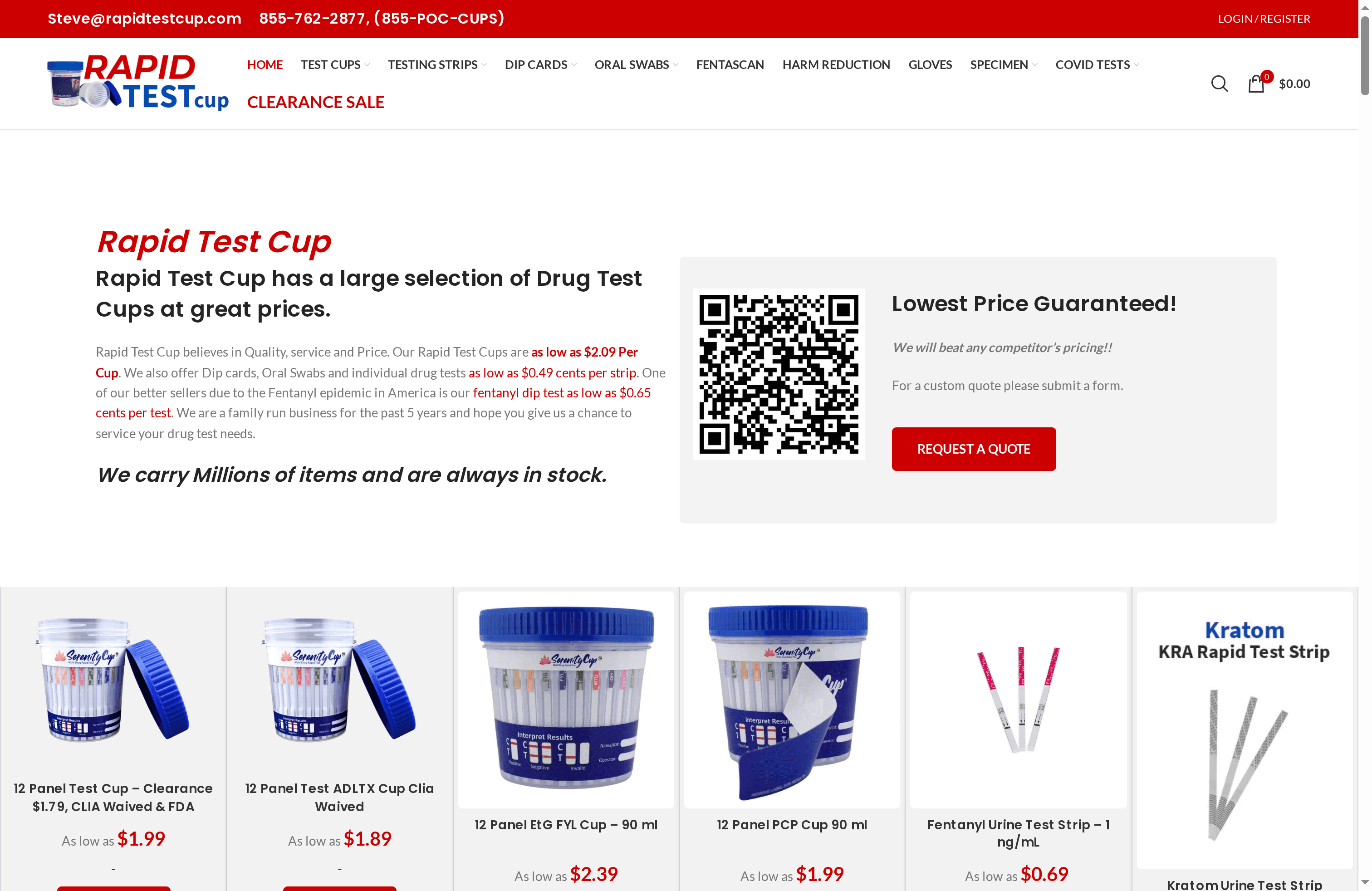
Rapidtestcup carries FDA-approved, CLIA waived drug test cups and strips built for professional and personal use, including 15-panel drug test cups with adulterant detection and 18-panel drug test cups designed for high-volume compliance programs. Every product ships with manufacturer storage guidelines so you can apply the protocols in this article from day one. If you are comparing options before purchasing, the top urine drug test kits comparison page breaks down panels, cutoff levels, and storage requirements side by side.
FAQ
What is the correct temperature for drug test kits?
Most rapid drug test kits require storage between 59°F and 86°F (15°C to 30°C). Freezing or sustained heat above 86°F damages membranes and reagents, producing unreliable results.
How long is the shelf life of a drug test kit?
Drug test kit shelf life typically ranges from 12 to 24 months when stored correctly within the manufacturer’s specified temperature and humidity range. Kits stored outside those conditions expire faster regardless of the printed date.
Where should you store drug tests at home?
The best place to store drug tests at home is a cool, dark drawer or cabinet away from bathrooms, kitchens, and windows. Avoid any location with humidity above 60% or temperature swings throughout the day.
Do drug test kits need to be refrigerated?
Standard urine drug test cups and strips do not require refrigeration. Liquid reagents in some lab-based kits may need refrigeration, but those kits must be brought to room temperature before use to avoid condensation and result errors.
How do you know if a drug test kit has been compromised by storage?
Visual signs include discoloration of the test strip, fogged or damaged packaging, and unusual odor from reagents. When in doubt, discard the kit. A compromised kit can produce false positives or false negatives, both of which carry serious consequences in compliance or legal contexts.