

Blog
Adderall Urine Detection: Study Timelines and Why Cutoffs Matter


Most people clear Adderall from urine within 2 to 4 days after a single dose, though heavy or long-term use, extended-release formulations, and urine pH can push that window closer to 7 days or beyond. Detection also depends on dose size and the lab’s cutoff level. Because of that variability, a single negative screen shortly after low-dose use is not a guarantee, and confirmatory lab testing settles any doubt.
TL;DR:
- Urine detection of Adderall typically lasts 2 to 4 days after a single dose but can extend beyond a week with heavy, repeated, or extended-release use.
- Immunoassay screening tests are quick and inexpensive but may miss low doses; confirmatory lab tests like GC-MS or LC-MS/MS are necessary for accurate results.
- Blood and saliva tests detect recent use within hours to two days, while hair analysis can reveal use over several months, making urine a balanced choice for routine screening.
- Urine pH, hydration, dosage, and individual metabolism significantly influence how long Adderall remains detectable, with acidic urine accelerating elimination.
- Proper interpretation requires disclosure of prescriptions, confirmatory testing if initial results are positive, and awareness that negative screens after low doses are not definitive proof of absence.
Table of Contents
- Detection windows compared across blood, saliva, and hair
- How urine drug tests actually detect amphetamines
- What changes how long Adderall stays detectable
- What to expect: single dose, typical prescription use, and heavy use
- Making sense of a positive or negative urine result
- What buyers should know about panels, cutoffs, and validity checks
- Why individual variation matters more than any single number
- Finding reliable urine testing supplies
- Sources
- FAQ
Detection windows compared across blood, saliva, and hair
Urine sits in the middle of the pack when you line up testing methods by how long they catch amphetamine use. Blood and saliva tests pick up recent use, typically within a day or two, because the drug clears from those fluids faster than it does from urine. Hair testing goes the other direction entirely, capturing a history of use that can stretch back months, which makes it useful for pattern detection rather than recent-use questions.
Urine lands in between, and that middle ground is exactly why it became the workplace and forensic standard. A clinical review of detection windows across specimen types notes that blood and saliva generally reflect use within the past one to two days, urine reflects use over a period of days, and hair reflects use over months.
- Blood and saliva: short windows, generally hours up to about two days, useful for confirming very recent use.
- Urine: the standard for workplace and clinical screening, with a typical range of 2 to 4 days after a single dose and longer windows for repeated or extended-release use.
- Hair: the longest window, spanning months, but it is not designed to answer “did you use this week.”
The practical takeaway is that urine testing balances a wide enough window to catch recent use with a cost and turnaround time that makes it feasible for routine screening programs. That is also why the rest of this article focuses there. If you want more detail on how another common stimulant compares, methamphetamine detection windows follow a similar screening logic with different timing.
How urine drug tests actually detect amphetamines
Urine screening for Adderall relies on immunoassay technology first. These tests use antibodies that bind to amphetamine and its metabolites, producing a color change or signal when the concentration crosses a set threshold. Immunoassays are fast and cheap, which is why they are the first pass in nearly every workplace and clinical setting, but they are also a yes-or-no test at a fixed cutoff rather than a precise measurement.
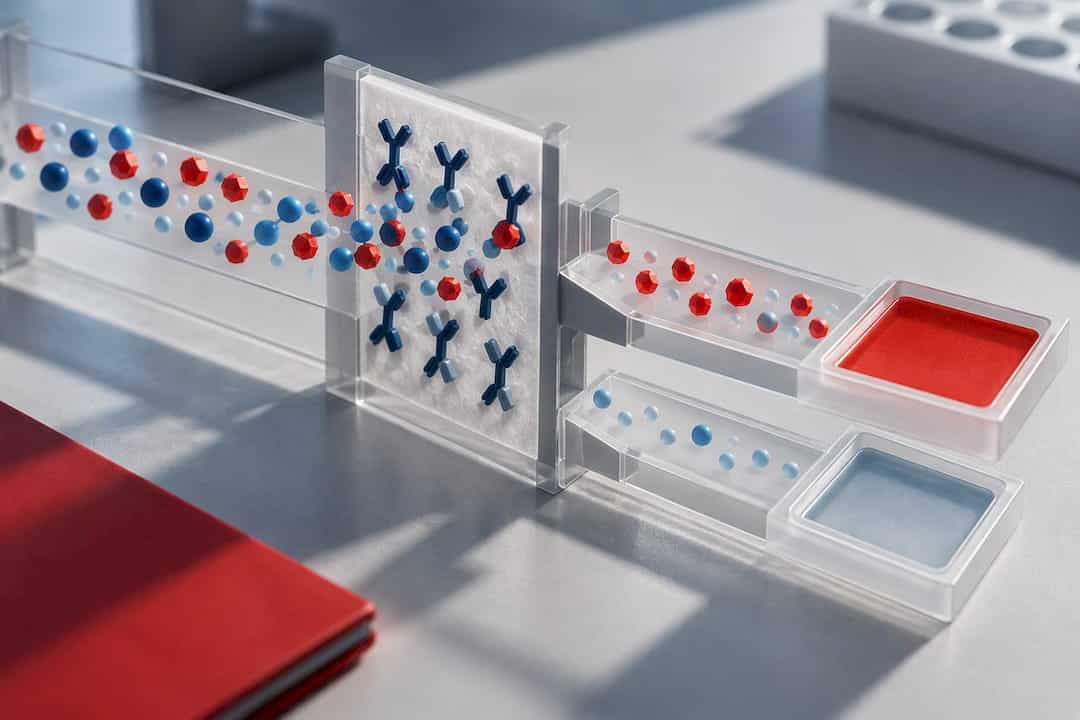
Forensic and workplace programs commonly set that cutoff at 1,000 ng/mL for amphetamines. That threshold matters more than most people realize.
A controlled volunteer study on urinary excretion of d-amphetamine found that the chance of a positive immunoassay result at the common 1,000 ng/mL cutoff varies considerably with dose, being much lower after a single 5 mg oral dose than after a 20 mg dose. That gap shows how much dose size shapes whether a screen actually flags use, even when the drug is present at detectable levels by more sensitive methods.
- Screening (immunoassay): fast, inexpensive, and prone to missing low-dose use below the cutoff.
- Confirmatory testing (GC-MS or LC-MS/MS): slower and more expensive, but it identifies and quantifies the specific compound rather than relying on antibody cross-reactivity.
- Cross-reactants: certain decongestants and other stimulant medications can trigger a screening positive, which is exactly why confirmation matters before anyone treats a screen as final.
A positive screen typically triggers review by a Medical Review Officer and a confirmatory test before any workplace or legal action is taken, a process detailed in SAMHSA’s Medical Review Officer Guidance Manual.
What changes how long Adderall stays detectable
Detection time is not a fixed number. It shifts based on how the drug was taken, who took it, and how the sample was tested.
- Dose and frequency: higher doses and repeated dosing across a day build up more drug and metabolite in the body, which extends how long urine stays positive.
- Formulation: immediate-release Adderall clears faster than extended-release versions, which release the drug over many hours and keep blood and urine levels elevated longer.
- Urine pH and hydration: amphetamine excretion is strongly pH-dependent. The FDA prescribing information for ADDERALL reports that urinary recovery of the dose ranges from roughly 1% to 75% depending on pH, since acidic urine speeds renal elimination while alkaline urine slows it.
- Physiologic variables: age, body weight, kidney and liver function, and interactions with other medications all influence how quickly the body processes and excretes amphetamine.
- Laboratory variables: the cutoff used, how soon after use the sample is collected, and whether validity checks catch a diluted or adulterated specimen all affect the result a lab reports.
Pro Tip: If timing matters for a specific test, don’t rely on general ranges alone. Ask whether the lab uses a 1,000 ng/mL screening cutoff and whether confirmatory testing is available if the result is disputed.
What to expect: single dose, typical prescription use, and heavy use
These scenarios translate the research into something closer to a real-world estimate, though every case still depends on individual biology.
- A single low dose (5 to 10 mg): detection is inconsistent. The same volunteer study found a 5 mg dose triggered a positive screen at the standard cutoff in a minority of samples, meaning a negative result after a low single dose is common, not unusual.
- Typical prescription dosing (multiple doses through the day): this is where the commonly cited 2 to 4 day window applies most reliably, reflecting steady accumulation and clearance over several half-lives.
- Chronic or high-dose use, or extended-release formulations: detection can stretch toward 7 days or longer, since XR formulations release the drug gradually and repeated dosing keeps urine concentrations elevated for an extended period.
None of these are fixed cutoffs you can count on to the day. They describe probabilities based on how the drug behaves in a group of people, not a guarantee for any one person’s metabolism, hydration level, or kidney function on a given day.
Making sense of a positive or negative urine result
A single immunoassay result is a screening signal, not a diagnosis. Before treating any result as final, a few things matter.
- A positive screen should be confirmed with GC-MS or LC-MS/MS before it leads to any consequence, since immunoassays can cross-react with other compounds.
- If you have a valid prescription, disclose it and have documentation ready. Medical Review Officers routinely handle this exact situation under SAMHSA’s guidance.
- A negative result after recent low-dose use is not necessarily proof of absence. It may simply reflect a dose below the screening cutoff rather than a truly drug-free sample.
- If a result seems wrong given your actual use, or if it threatens your employment, a conversation with the MRO, your prescribing clinician, or an attorney is the appropriate next step rather than guessing at the cause.
Public health guidance from the CDC reinforces the same point: proper interpretation and disclosure prevent a screening tool from being mistaken for a final verdict.
What buyers should know about panels, cutoffs, and validity checks
Not every urine test panel screens for amphetamines by default, and not every cup includes checks that catch a tampered sample. A panel needs an AMP or amphetamine marker specifically, and the cutoff used affects whether a low-dose recent use shows up at all.
- Panel coverage: confirm amphetamine (AMP) is included among the tested substances, since some multi-panel cups omit it.
- Cutoff level: a 1,000 ng/mL cutoff is standard for forensic and workplace use, and it is the threshold behind the detection rates in the volunteer dosing study.
- Validity and adulterant checks: built-in tests for creatinine, specific gravity, and oxidants flag diluted or tampered samples before they produce a misleading negative.
- Confirmatory pathway: any screening result with real consequences should have a clear route to lab-based GC-MS or LC-MS/MS confirmation.
Why individual variation matters more than any single number
The ranges in this article are useful starting points, not promises. Two people can take the identical dose and clear it on different timelines because of pH, hydration, and metabolism. I’d rather readers walk away skeptical of any flat number than confident in one that does not hold for their body. When a result carries real stakes, transparency with the testing program and a confirmatory test do more good than any estimate.
— Justin
Finding reliable urine testing supplies
Whether you’re setting up screening for a program or just want a dependable way to check a result, the panel and cutoff you choose determine how much you can trust the outcome. Some providers offer CLIA-waived multi-panel urine test cups that include amphetamine (AMP) detection alongside built-in adulterant and validity checks, so a diluted or tampered sample gets flagged instead of slipping through as a false negative.
For a single-analyte option, the AMP drug test strips cover amphetamine specifically. For broader coverage, multi-panel cups add other substances alongside AMP in one collection.
| What to check | Why it matters |
|---|---|
| Panel includes AMP marker | Confirms amphetamine is actually part of the screen |
| CLIA-waived status | Supports use in clinical and workplace settings |
| Built-in validity/adulterant checks | Flags diluted or tampered samples |
| Confirmatory testing available | Resolves disputed or ambiguous results |
Browse the full shop to compare panel options and find the cup that matches what you or your program need to screen for.
This article is general information, not a substitute for advice from a qualified doctor. Consult a qualified healthcare professional about your own circumstances before acting on anything here.
Sources
- Urinary excretion of d-amphetamine following oral doses in humans: implications for urine drug testing – PubMed
- ADDERALL® (CII) label — FDA
- SAMHSA: Medical Review Officer Guidance Manual (Oct 2017)
- Clinical review: drug detection windows across specimen types (PMC)
FAQ
What is the washout period for Adderall?
The washout period generally lines up with the same 2 to 4 day range cited for typical urine detection after normal dosing, though it extends with extended-release formulations or heavy repeated use. Individual factors like urine pH and hydration also shift how quickly the drug clears.
What vitamin cancels out Adderall?
There is no vitamin that reliably cancels out or removes Adderall from the body faster. Urine pH does influence excretion speed, as noted in the FDA label, but attempting to manipulate a sample this way risks flagging as tampered under standard validity checks.
What is the 28 day rule for Adderall?
There is no established clinical or regulatory “28 day rule” tied to Adderall detection or prescribing that appears in FDA or public health guidance. If you have encountered this term in a specific policy context, it likely refers to a prescription refill or supply limit rather than a detection window.
Can you test positive days after Adderall use?
Yes, a positive urine result days after use is common and expected, since the typical detection window runs about 2 to 4 days after a single dose and can extend toward a week with heavy or extended-release use. Whether a specific low dose triggers a positive depends heavily on the testing cutoff, as volunteer study data shows.