Blog
Does CBD Show Up on a Drug Test?

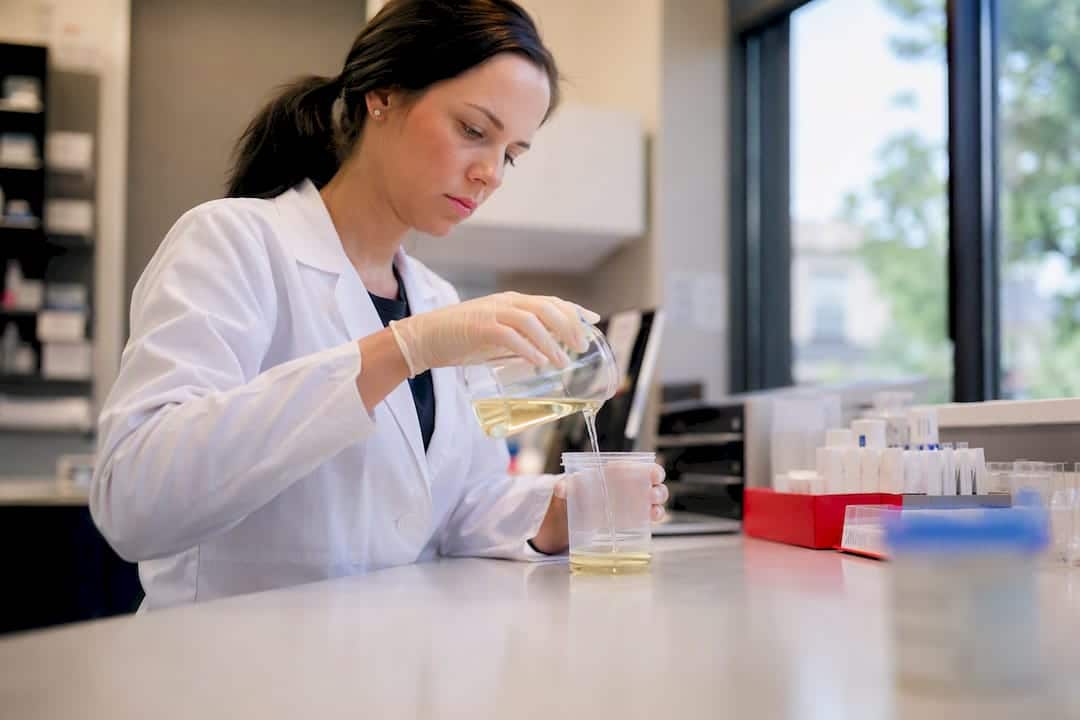
No. Pure CBD is not what standard workplace drug tests screen for. Drug screens target THC and its metabolite THC‑COOH, not cannabidiol, so a genuinely THC‑free CBD product will not trigger a positive result.
The catch is what “pure” actually means once a product leaves the lab. Full‑spectrum CBD, mislabeled tinctures, and hemp extracts contaminated during processing can carry enough THC to build up in your system, especially with daily use.
- What’s screened: THC‑COOH, not CBD.
- What causes false alarms: THC contamination, mislabeling, or full‑spectrum products used heavily.
- Federal cutoff: 50 ng/mL for the initial immunoassay screen, 15 ng/mL for confirmation testing.
Key Takeaways
Pure CBD does not trigger a positive THC drug test, but contaminated, mislabeled, or full-spectrum products regularly do under real-world testing conditions.
| Point | Details |
|---|---|
| Tests screen THC, not CBD | Standard immunoassay and LC‑MS/MS confirmation target THC‑COOH, never cannabidiol itself. |
| Contamination is common | 21% of 48 tested retail CBD products contained detectable THC despite label claims. |
| Product type changes risk | Isolate carries the lowest THC risk, full-spectrum the highest, broad-spectrum in between. |
| Timing and documentation protect you | Stop use 2 to 3 weeks before a test and keep COAs and receipts on hand. |
| Verify before you’re tested | Rapidtestcup’s CLIA-waived multi-panel cups let you check your own status before a scheduled workplace screen. |
Table of Contents
- Will CBD Show Up on a Drug Test? How Screening Actually Works
- Can CBD Cause a Positive THC Test?
- How Long Does THC From Contaminated CBD Stay Detectable?
- Why Retail CBD Products Can Carry THC
- How to Lower Your Risk Before a Workplace Drug Screen
- What to Do If You Test Positive After Using CBD
- Why Certified Testing Matters for CBD Users and Employers
- Test Before You’re Tested
- Frequently Asked Questions
- Sources
Will CBD Show Up on a Drug Test? How Screening Actually Works
Workplace and forensic testing happens in two stages, and understanding both explains why a “CBD user” can still fail. The first stage is an immunoassay screen, a fast chemical test that flags samples above a set threshold. It’s cheap and quick, but it can’t tell THC apart from certain related compounds with total precision.
Anything that screens positive moves to confirmation testing using liquid chromatography-tandem mass spectrometry (LC‑MS/MS), which identifies the exact molecule and concentration. This is what separates a lab hunch from a legally defensible result.
- Federal programs set the initial screen cutoff at 50 ng/mL and the confirmation cutoff at 15 ng/mL of THC‑COOH.
- Urine is the most common specimen for employers because it’s affordable, noninvasive, and detects use over recent days to weeks.
- Hair, blood, and saliva serve narrower purposes: hair for long-term history, blood and saliva for recent impairment.
Those cutoffs exist precisely to filter out trace exposure. A stray whiff of secondhand smoke won’t clear 50 ng/mL. A daily dose of contaminated CBD oil sometimes will.
Can CBD Cause a Positive THC Test?
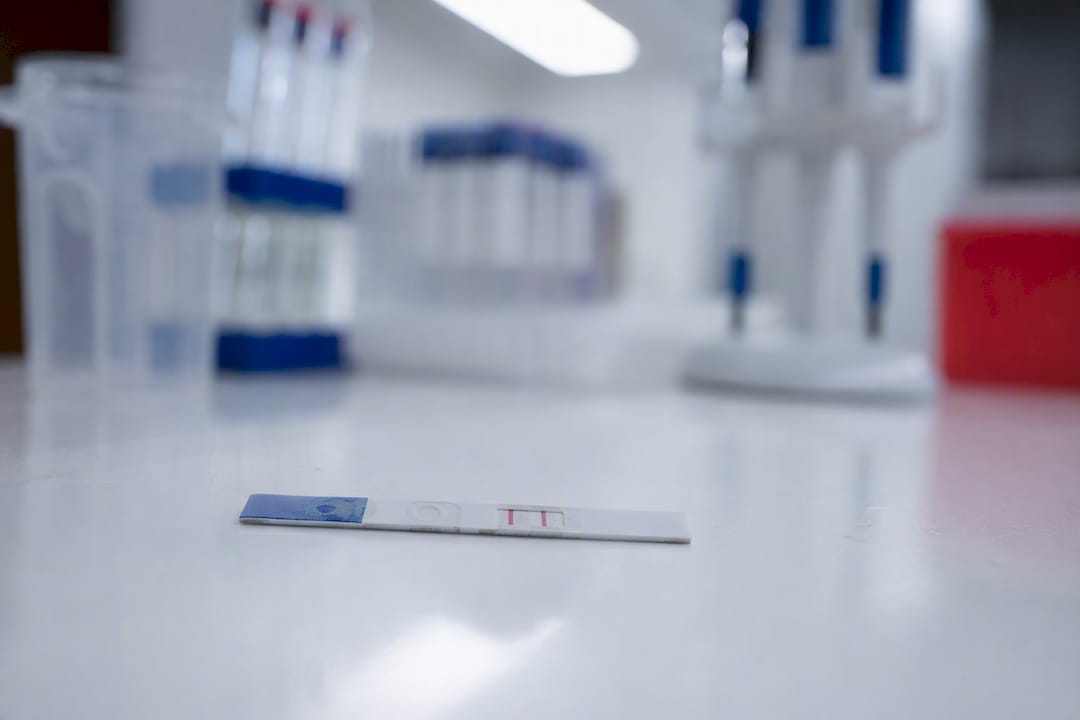
The clearest evidence comes from a controlled dosing study that gave participants pure CBD, then separately gave them vaporized CBD‑dominant cannabis. Pure CBD produced zero positives at either the 50 ng/mL screening cutoff or the 15 ng/mL confirmation cutoff. The CBD-dominant cannabis, containing just 3.7 mg of Δ9-THC per dose, pushed some participants’ THC-COOH above the confirmation threshold.
That’s a small amount of THC doing real damage to a drug screen result. It tells you the risk isn’t theoretical.
Poison control centers have documented real cases of this playing out. A Tennessee Poison Center advisory describes over-the-counter products marketed as CBD that actually contained delta-8 or delta-9 THC, strong enough to produce positive urine drug screens in people who thought they were using a THC-free supplement.
Market testing backs this up on a wider scale:
- One product analysis found 21% of 48 tested CBD products contained detectable THC, and fewer than a third matched their labeled CBD concentration within 10%.
- Daily, heavy use of any THC-containing product, even trace amounts within the legal 0.3% hemp limit, lets metabolites accumulate faster than your body clears them, according to VerywellHealth.
How Long Does THC From Contaminated CBD Stay Detectable?
Detection windows swing widely depending on how much THC you actually ingested and how often. Occasional exposure to a contaminated product might clear a urine test within a few days. Regular use tells a different story.
- Urine: Roughly 3 days for occasional use, but 30 or more days for frequent, heavy exposure.
- Hair: Can reveal THC exposure for up to 90 days, since it captures a longer history rather than recent use.
- Blood and saliva: Much shorter, typically hours to a few days, which is why they’re favored for detecting recent impairment rather than historical use.
Dose, frequency, body fat percentage, hydration, and individual metabolism all shift these windows in either direction. Two people using the same product at the same dose can test differently a week later.
Why Retail CBD Products Can Carry THC
Not all CBD is built the same, and the differences matter enormously for anyone worried about a workplace screen.
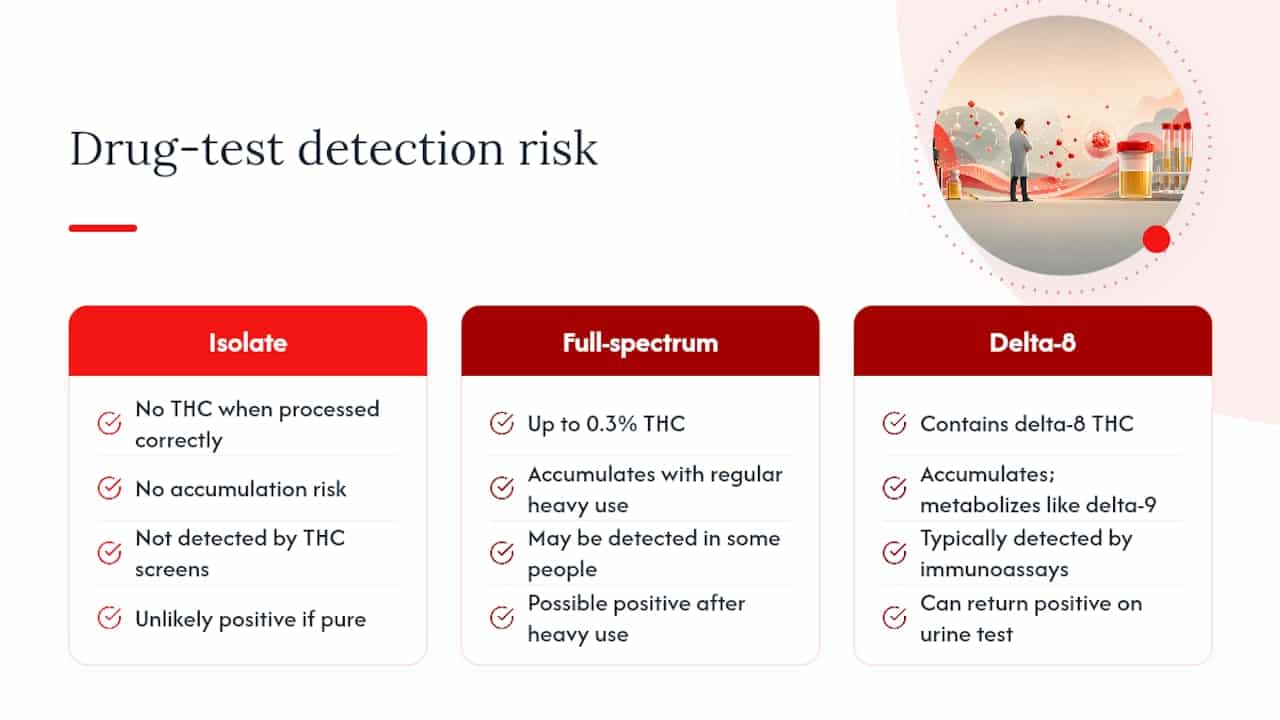
- Full-spectrum CBD contains the plant’s full cannabinoid profile, including up to 0.3% THC by federal hemp limits. It carries the highest contamination risk of the three types, especially with daily use.
- Broad-spectrum CBD is processed to strip out THC while keeping other cannabinoids. It’s lower risk but not risk-free. Processing isn’t perfect, and cross-contamination happens.
- CBD isolate is the purest form, ideally containing nothing but cannabidiol. It carries the lowest THC risk of the category, assuming the manufacturer’s process and testing hold up.
The trouble is that the FDA doesn’t consistently regulate over-the-counter CBD products for quality, so a label claiming “THC-free” is a marketing statement, not a guarantee. A certificate of analysis (COA) from a third-party lab is your real check.
Pro Tip: Before trusting any COA, confirm it lists the specific batch or lot number matching your product, an accredited lab name, and a quantified Δ9-THC and THC-COOH result with a recent date. A COA with none of those details isn’t proof of anything.
How to Lower Your Risk Before a Workplace Drug Screen
If a test is coming up, treat CBD the way you’d treat any substance with uncertain purity: cautiously and with a plan.
- Stop use 2 to 3 weeks ahead of testing. This buffer is conservative advice from consumer guidance precisely because contamination levels and individual metabolism are unpredictable.
- Switch to CBD isolate or verified broad-spectrum products with a current, third-party COA showing nondetectable or trace THC.
- Choose topicals over ingestibles or inhalables when possible. Topical CBD generally produces minimal systemic absorption, so it’s far less likely to build detectable metabolites, according to Healthline.
- Keep your receipts, COAs, and any prescriber documentation for pharmaceutical CBD like Epidiolex. If a result is ever questioned, paperwork is your defense.
Pro Tip: Screenshot the COA and save the product’s batch number the day you buy it. Manufacturers update or remove COAs from their websites, and you don’t want to be searching for proof after the fact.
What to Do If You Test Positive After Using CBD
A positive screen isn’t the final word. Here’s the sequence that protects you.
- Request confirmatory LC‑MS/MS testing if it hasn’t already happened. It’s far more specific than the initial immunoassay and can distinguish trace contamination from heavier use.
- Contact the Medical Review Officer (MRO) reviewing your result and provide your COAs, purchase receipts, and product documentation.
- Understand that the MRO review exists as a safeguard precisely because preliminary positives don’t always hold up under confirmation.
- Review your employer’s drug testing policy for appeal procedures, and consult an employment attorney if the outcome affects your job status.
Why Certified Testing Matters for CBD Users and Employers
Not every drug test kit delivers reliable results, and the gap between consumer-grade and lab-grade testing shows up exactly in edge cases like CBD contamination. CLIA-waived and FDA-approved test cups reduce the chance of ambiguous or inconsistent readings compared to unregulated alternatives.
- Multi-panel cups with adulteration strips catch tampering attempts alongside THC detection, which matters for employer programs handling large testing volumes.
- Understanding cutoff levels helps both employees and HR teams interpret a screening result correctly before assuming the worst.
- Pre-testing with a professional-grade kit before a scheduled screen gives CBD users a realistic read on where they stand, rather than guessing.
A publisher’s take on playing it safe with CBD
If you’re using CBD and have a screen on the calendar, verify the product’s COA and consider pre-testing rather than hoping for the best. Rapidtestcup carries professional test cups built for exactly that kind of check.
Test Before You’re Tested
If you want a real answer instead of a guess, self-testing closes that gap. Rapidtestcup sells the same CLIA-waived, multi-panel cups labs and employers rely on, at prices that make pre-screening yourself before a workplace test practical instead of an afterthought.
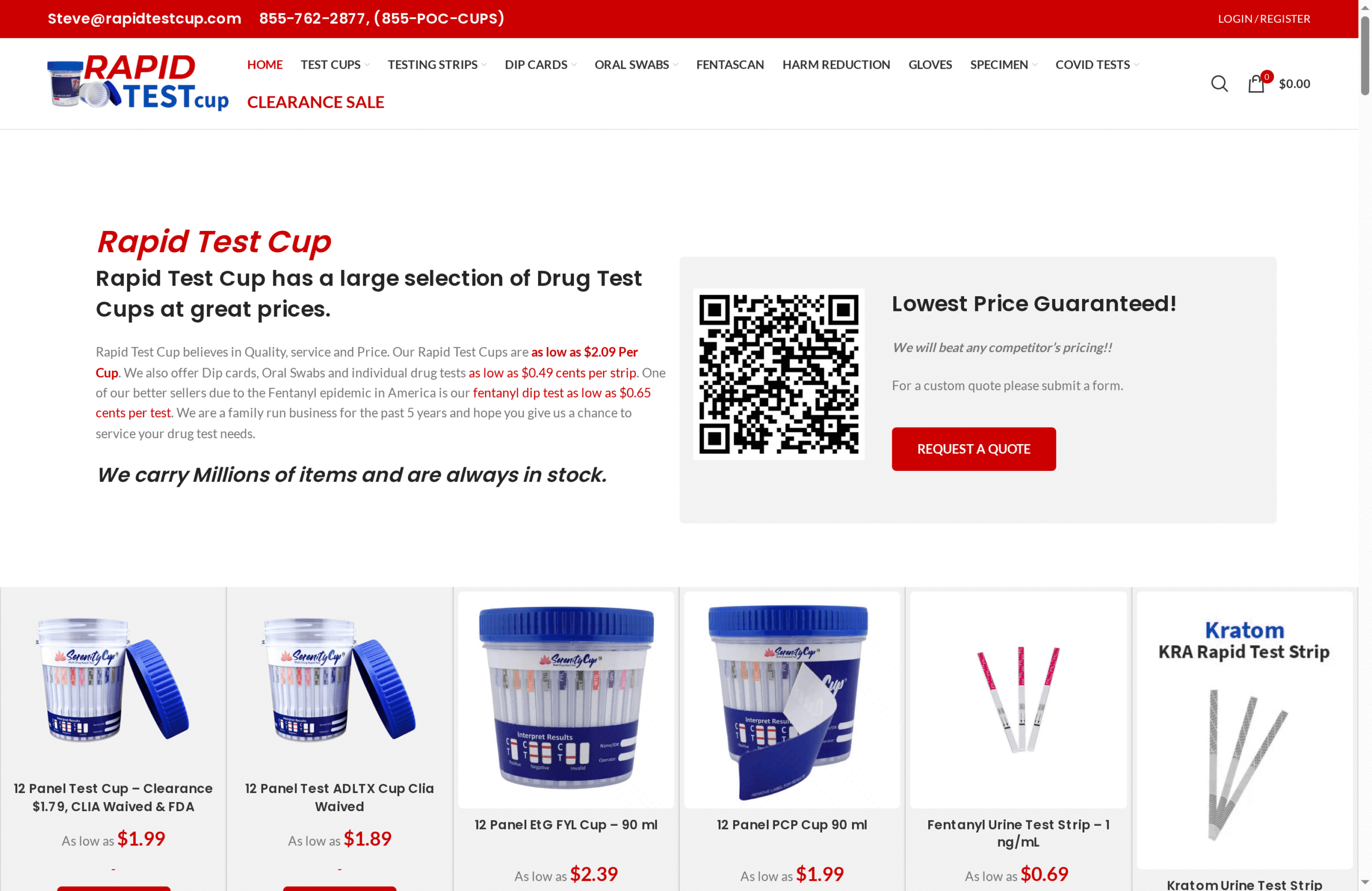
The 12-panel drug test cup covers THC alongside eleven other substances, useful if you want a broad check rather than a single-analyte guess. For anyone managing a workplace program or wanting adulteration checks built in, the 18-panel cup with adulterants flags tampered samples alongside a full drug panel. If ethanol or nicotine use is also a concern, ETG strips and cotinine strips round out a broader screening approach.
Browse the full catalog or request a bulk quote at Rapidtestcup to find the panel that matches your situation before your next scheduled test.
Frequently Asked Questions
Does CBD show up on a standard drug test?
No. Standard workplace drug tests screen for THC‑COOH, not cannabidiol. A product that’s genuinely THC‑free will not cause a positive result.
Will CBD show up on a drug test if it’s full-spectrum?
It can. Full-spectrum CBD legally contains up to 0.3% THC, and regular heavy use lets that trace amount accumulate to detectable levels in some people.
Does delta 8 show up on a drug test the same way as CBD?
Delta 8 THC is chemically similar enough to delta 9 THC that standard immunoassay screens typically detect it, so a delta 8 urine test can return positive even though it’s a different cannabinoid.
What’s the difference between CBD isolate and delta 8 for drug test risk?
CBD isolate contains no THC when properly processed and tested, while delta 8 vs delta 9 drug test results show both delta 8 and delta 9 can trigger a positive screen since both metabolize similarly.
How can I check if my CBD product is safe before a workplace test?
Request the current certificate of analysis (COA) from the manufacturer, confirm it lists a matching batch number and an accredited lab name, and consider pre-testing yourself with a multi-panel urine cup.
What should I do if I test positive from CBD use?
Request confirmatory LC‑MS/MS testing, provide your COAs and receipts to the Medical Review Officer, and review your employer’s testing policy for next steps.
Sources
- Urinary pharmacokinetic profile of cannabidiol (CBD), Δ9‑THC and their metabolites following oral and vaporized CBD and vaporized CBD‑dominant cannabis administration
- Can you take CBD and pass a drug test? — Consumer Reports
Recommended
- Can Kratom Be Detected in Urine? Labs, Tests, and Windows
- Cup 22 Nitrazine, XYL/1000, ZAZA/500, K2/50, FEN/20, ETG/300, KRAT/500, Delta 8/25, TRA/100, KET/1000 & 3 ADLTX (Specific Gravity, pH, and Creatinine) 22 Panel Drug Test Cup – Click Top- XYL(Xylazine)/1000,ZAZA/500, Delta 8/25, TRA/100, KET/1000, K2/50,FEN/10, ETG/300, KRAT/500 & 3 Adulterations ADLTX (Specific Gravity, pH, and Creatinine), AMP/1000, BAR/300, BUP/10, BZO/300, COC/300, MDMA/500, MET/1000, MTD/300, OPI/300, OXY/100, PCP/25, THC/50, Nitrazine – RapidTestCup
- Types of Substances Detected in Drug Tests: 2026 Guide
- Legal Considerations for Drug Testing at Work