

Blog
Why Regular Drug Monitoring Boosts Compliance by 50%


Regular drug monitoring has proven to reduce overdose deaths by up to 25%, according to recent clinical studies. For clinical and forensic professionals, establishing objective monitoring protocols addresses critical challenges in treatment adherence and patient safety. This article explains why regular drug monitoring is essential for compliance, how it protects patients, and provides practical implementation guidance to optimize outcomes.
Table of Contents
- Introduction To Regular Drug Monitoring
- Why Regular Drug Monitoring Enhances Compliance
- Improving Patient Safety Through Regular Monitoring
- Preventing Diversion And Misuse With Regular Monitoring
- Common Misconceptions About Regular Drug Monitoring
- Comparing Drug Testing Methods For Regular Monitoring
- Implementing Regular Drug Monitoring: Frequency And Protocols
- Ethical And Practical Considerations For Regular Monitoring
- Enhance Your Monitoring Program With RapidTestCup Solutions
Key Takeaways
| Point | Details |
|---|---|
| Compliance improvement | Regular drug monitoring improves medication adherence by up to 50% through objective accountability. |
| Overdose reduction | Scheduled testing protocols reduce overdose deaths by 20 to 25% through early risk detection. |
| Diversion detection | Regular monitoring increases detection of medication diversion by approximately 40%. |
| Enhanced predictability | Combining behavioral assessments with drug testing improves outcome prediction accuracy by 35%. |
| Patient engagement | Ethical monitoring practices increase patient trust and treatment participation rates significantly. |
Introduction to Regular Drug Monitoring
Regular drug monitoring involves systematic, scheduled testing to verify medication compliance, detect substance misuse, and identify diversion in both clinical and forensic settings. The primary objective centers on improving patient safety while ensuring legal and regulatory compliance across treatment programs. This approach serves multiple functions, from supporting recovery in substance use disorder treatment to verifying compliance in pain management and forensic supervision.
The benefits extend across several domains:
- Enhanced medication adherence and treatment compliance
- Early detection of substance misuse or relapse patterns
- Improved treatment outcomes through data driven decision making
- Detection of medication diversion and illicit substance use
- Objective documentation for clinical and legal purposes
Clinicians commonly employ three primary testing modalities: urine testing offers the broadest application and detection capabilities, oral fluid testing provides non invasive immediate results, and hair testing delivers long term compliance histories. Each method addresses specific monitoring needs based on detection windows, accuracy requirements, and clinical context.
The scope of regular drug monitoring covers safety surveillance in opioid prescribing, diversion detection in controlled substance programs, and compliance verification in both treatment and forensic populations. Regular drug monitoring significantly improves medication adherence in patients undergoing treatment for substance use disorders. Understanding the role of drug screening in treatment centers helps professionals implement effective protocols while maintaining accuracy in drug test results throughout the monitoring process. The forensic drug test legal impact extends beyond clinical settings into legal compliance verification.
Why Regular Drug Monitoring Enhances Compliance
Objective accountability forms the foundation of improved adherence rates in monitored populations. When patients know testing occurs regularly, they demonstrate significantly higher medication compliance and reduced illicit substance use. Studies show adherence rates improve by 30 to 50% with regular monitoring protocols implemented consistently over time.
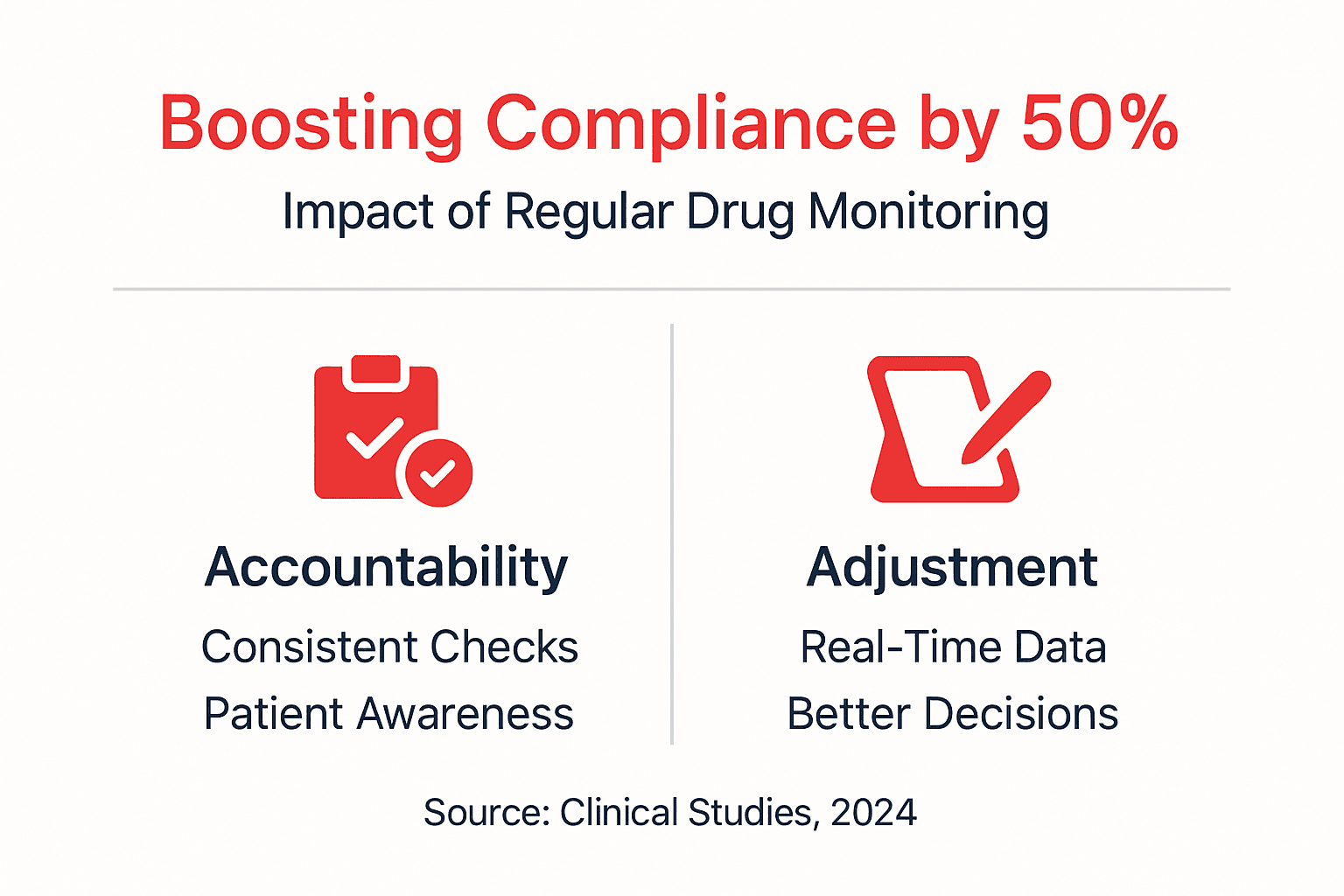
The synergy between drug testing and behavioral assessments creates powerful predictive capabilities. Combined urine drug testing and behavioral assessments improve predictive accuracy by 35% compared to either method alone. This integrated approach allows clinicians to identify compliance patterns earlier and intervene proactively before treatment failure occurs.
Reliable, objective data from regular monitoring enables several clinical advantages:
- Immediate identification of non compliance or medication misuse
- Earlier intervention opportunities before crisis situations develop
- Objective evidence supporting treatment plan modifications
- Enhanced patient provider communication around medication management
- Reduced guesswork in clinical decision making processes
The data gathered through consistent monitoring protocols supports evidence based adjustments to treatment plans. Clinicians can confidently modify medications, adjust dosing schedules, or intensify behavioral interventions based on objective findings rather than subjective reports alone.
Pro Tip: Maintain consistent communication with patients about monitoring purposes and results. Explain that testing supports their treatment success rather than serves as punishment. This transparency increases patient cooperation and improves medication adherence significantly throughout treatment duration. Understanding the role of drug testing in clinics and why rapid testing is used helps frame these conversations appropriately.
Improving Patient Safety Through Regular Monitoring
Early detection of overdose risk represents one of the most critical safety benefits of regular drug monitoring. Clinicians can identify dangerous patterns such as dose escalation, concurrent benzodiazepine use with opioids, or polysubstance combinations that dramatically increase overdose potential. Overdose death rates can be reduced by 20 to 25% when regular drug monitoring is part of comprehensive treatment protocols.
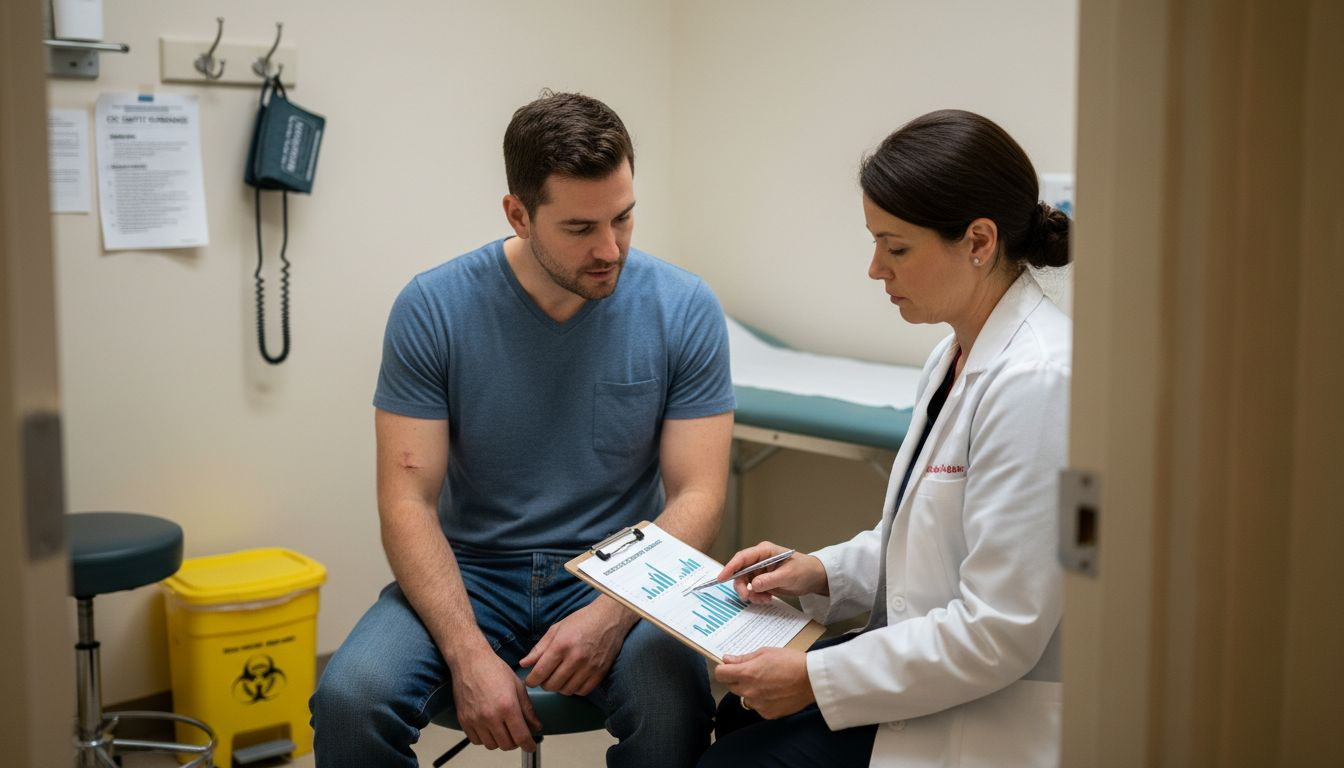
Intermittent misuse often goes undetected without scheduled monitoring. Patients may use prescribed medications inappropriately between clinic visits or supplement with illicit substances sporadically. Scheduled urine drug screening effectively detects polysubstance use that patients may not voluntarily disclose during clinical interviews.
Key safety improvements from regular monitoring include:
- Identification of dangerous drug combinations before overdose occurs
- Detection of undisclosed substance use affecting treatment safety
- Monitoring of metabolite patterns indicating dose manipulation
- Early warning signs of relapse in recovery populations
- Verification of medication presence at therapeutic levels
CRITICAL STATISTIC: Regular drug monitoring reduces overdose deaths by 20 to 25% in opioid treatment programs through early risk identification and clinical intervention.
Continuous objective data enables better clinical decisions regarding treatment intensity, medication selection, and safety monitoring frequency. Rather than relying solely on patient self report, clinicians gain concrete evidence supporting risk stratification and intervention timing. This proactive approach prevents adverse outcomes rather than simply responding to crises after they occur. Implementing appropriate drug testing frequency for safety protocols maximizes these protective benefits while the evidence supporting overdose mortality reduction continues strengthening.
Preventing Diversion and Misuse with Regular Monitoring
Scheduled regular testing dramatically improves detection of medication diversion compared to sporadic or patient initiated testing. Detection rates of diversion increase by approximately 40% with scheduled random testing protocols implemented consistently. Pain management clinics employing regular monitoring report 40% or greater reductions in opioid misuse and diversion incidents.
The comparison between testing approaches reveals significant effectiveness differences:
| Testing Approach | Diversion Detection Rate | Deterrent Effect | Patient Predictability |
|---|---|---|---|
| Regular Scheduled | High (40% increase) | Strong | Moderate |
| Random Scheduled | Highest | Very Strong | Low |
| Sporadic/Symptomatic | Low | Minimal | High |
| Patient Initiated | Very Low | None | Complete |
Real world implementation demonstrates clear benefits. One multisite pain clinic network documented 45% reduction in diversion incidents within six months of implementing monthly random testing. A substance use disorder treatment program identified 38% more cases of illicit substance use through scheduled twice monthly monitoring compared to their previous quarterly testing protocol.
Regular monitoring creates several anti diversion mechanisms:
- Unpredictability when random elements are included
- Consistent accountability reducing opportunity for diversion
- Objective documentation of medication presence or absence
- Identification of suspicious metabolite patterns
- Detection of adulterants or substitution attempts
Pro Tip: Incorporate random testing elements within your regular monitoring schedule to maximize detection reliability. While patients know testing occurs regularly, they cannot predict exact timing. This approach deters planned diversion while maintaining the compliance benefits of scheduled monitoring. The forensic drug testing checklist provides structured implementation guidance while research on reducing drug diversion confirms these protective effects.
Common Misconceptions About Regular Drug Monitoring
Many patients and even some clinicians misunderstand drug monitoring as inherently punitive. This perception creates resistance and reduces program effectiveness. In reality, monitoring serves as a supportive tool that protects patients, guides treatment, and documents progress. 65% of patients are more engaged in treatment when drug monitoring is explained as supportive rather than punitive from program initiation.
Privacy invasion concerns arise frequently despite robust protections in place. Properly implemented monitoring programs maintain strict confidentiality, obtain informed consent, and use results exclusively for treatment purposes. Ethical protocols prevent unauthorized disclosure and protect patient autonomy while gathering necessary clinical information.
Another common myth suggests drug testing alone provides sufficient monitoring. Clinical evidence contradicts this assumption. Testing without integrated behavioral assessment misses critical context and reduces predictive accuracy substantially. The combination of objective testing data with behavioral evaluation improves outcome prediction and intervention timing significantly.
Key misconceptions and evidence based corrections:
- Myth: Monitoring punishes patients. Reality: It supports treatment success and protects safety.
- Myth: Testing violates privacy rights. Reality: Informed consent and confidentiality protocols protect patient rights.
- Myth: Drug testing alone suffices. Reality: Integration with behavioral assessment improves outcomes by 35%.
- Myth: Monitoring indicates mistrust. Reality: It provides objective data benefiting both patient and provider.
- Myth: Positive results mean treatment failure. Reality: They guide timely intervention and plan modification.
Transparency about monitoring purpose transforms patient perception dramatically. When clinicians explain testing as partnership supporting recovery rather than surveillance detecting failure, patient cooperation increases substantially. Survey data confirms that clear communication about monitoring rationale improves both satisfaction and compliance. Understanding legal considerations for drug testing helps address privacy concerns while research on patient perceptions of drug monitoring guides effective communication strategies.
Comparing Drug Testing Methods for Regular Monitoring
Selecting appropriate testing methods requires understanding each modality’s strengths and limitations. The three primary methods offer distinct advantages for different monitoring scenarios:
| Method | Accuracy | Detection Window | Cost | Turnaround Time | Best Application |
|---|---|---|---|---|---|
| Urine Testing | >95% | 2 to 4 days | Low | Immediate to 24 hours | Routine monitoring, broad panels |
| Oral Fluid | 90 to 95% | 24 to 48 hours | Moderate | Immediate | Recent use detection, observed collection |
| Hair Testing | 85 to 90% | 90 days | High | 3 to 7 days | Long term compliance, historical use |
Urine testing remains the gold standard for regular drug monitoring programs. CLIA waived, FDA approved kits provide >95% accuracy for common drug panels with immediate point of care results. The broad detection window captures recent use while extensive panel options address polysubstance monitoring needs. Practical considerations include straightforward collection procedures and established clinical interpretation guidelines.
Oral fluid testing offers advantages in specific scenarios. The non invasive collection process reduces privacy concerns and enables direct observation preventing adulteration. Immediate results support real time clinical decisions. However, the shorter detection window may miss intermittent use patterns between testing sessions.
Hair testing provides unique long term compliance insights. The 90 day detection window reveals historical patterns and chronic use that shorter windows miss. Higher costs and delayed results limit routine monitoring applications, but hair testing excels for compliance verification in forensic settings or treatment program entry assessments.
Factors to consider when selecting testing methods:
- Clinical objective: immediate risk vs. long term compliance tracking
- Detection window needs based on substance pharmacology
- Budget constraints and testing frequency requirements
- Turnaround time impact on clinical decision making
- Patient population and collection logistics
- Panel breadth requirements for polysubstance monitoring
CLIA waived, FDA approved rapid test kits enable reliable point of care testing without laboratory delays. These tools support immediate clinical decisions while maintaining accuracy standards necessary for treatment and forensic documentation. The forensic drug testing checklist guides method selection while research on CLIA waived drug testing devices confirms their clinical reliability.
Implementing Regular Drug Monitoring: Frequency and Protocols
Clinical guidelines recommend regular drug monitoring at least monthly to quarterly depending on patient risk factors. The CDC provides specific frequency recommendations based on overdose risk, substance use history, and treatment phase. High risk patients require more frequent monitoring, while stable patients may extend intervals safely.
Implementation follows a structured sequence:
- Establish baseline testing at treatment initiation to document starting status and metabolite patterns.
- Determine monitoring frequency based on individual risk assessment using validated tools and clinical judgment.
- Create testing schedule combining regular intervals with occasional random elements to maximize detection.
- Integrate collection procedures into existing clinical workflow to ensure consistency and reduce administrative burden.
- Establish clear protocols for result interpretation, confirmation testing, and clinical response to findings.
- Document all testing procedures, results, and clinical decisions in medical records systematically.
- Review and adjust monitoring frequency quarterly based on patient progress and emerging risk factors.
Scheduled testing provides consistent accountability and enables trend analysis over time. Patients understand monitoring occurs regularly, which supports compliance through predictable expectations. Random elements within the schedule prevent manipulation while maintaining the accountability benefits of regular intervals.
Workflow integration proves critical for program sustainability. Testing should align with routine clinic visits whenever possible. Staff training ensures consistent collection procedures and appropriate chain of custody documentation. Point of care testing capabilities reduce turnaround time, enabling same visit clinical discussions about results.
Pro Tip: Tailor monitoring frequency to individual patient risk rather than applying uniform schedules. High risk patients benefit from weekly or biweekly testing initially, while stable patients maintain safety with monthly or quarterly intervals. This personalized approach balances effectiveness with patient burden and program resources. Implementing appropriate drug testing frequency recommendations optimizes outcomes while CDC monitoring frequency guidelines provide evidence based targets.
Ethical and Practical Considerations for Regular Monitoring
Informed consent forms the ethical foundation of any drug monitoring program. Patients must understand testing purposes, procedures, result use, and consequences before program participation. Clear documentation of consent protects both patient rights and program integrity. Transparency about monitoring rationale increases patient cooperation and reduces perception of surveillance.
Ethical pillars supporting monitoring programs include:
- Voluntary informed consent with clear explanation of purpose and procedures
- Strict confidentiality protections limiting result access to treatment team
- Patient autonomy respect through shared decision making in treatment planning
- Fair and consistent application of monitoring protocols across all patients
- Appropriate response to results focusing on treatment support not punishment
Privacy protections must meet HIPAA standards and state regulations. Results should remain confidential within the treatment team unless patient consent authorizes specific disclosures. Forensic monitoring involves different consent and reporting requirements that must be explained clearly at program entry.
Patient satisfaction and compliance improve by 20% when ethical protocols are followed consistently. Patients who understand monitoring supports their recovery rather than polices their behavior demonstrate higher engagement and better outcomes. The therapeutic alliance strengthens when monitoring serves as partnership tool rather than authority mechanism.
Best practices for ethical monitoring implementation:
- Provide written information about monitoring procedures and rights
- Discuss results with patients promptly and respectfully
- Frame positive results as opportunities for treatment adjustment not failure
- Maintain consistent protocols avoiding arbitrary or discriminatory practices
- Protect specimen integrity through proper chain of custody procedures
- Offer confirmation testing for contested results through laboratory methods
Pro Tip: Engage patients in understanding monitoring goals during program orientation. Explain how objective data helps guide medication safety, supports recovery progress, and provides evidence of treatment success. This education fosters trust and positions monitoring as collaborative rather than adversarial. Understanding legal considerations for ethical drug testing ensures compliance while research on ethical considerations in urine drug monitoring guides best practices.
Enhance Your Monitoring Program with RapidTestCup Solutions
Implementing effective regular drug monitoring requires reliable, accurate testing products that deliver results professionals can trust. RapidTestCup offers FDA approved, CLIA waived drug testing solutions designed specifically for clinical and forensic applications. Our comprehensive catalog includes everything from basic panels to extensive adulterant detection systems.
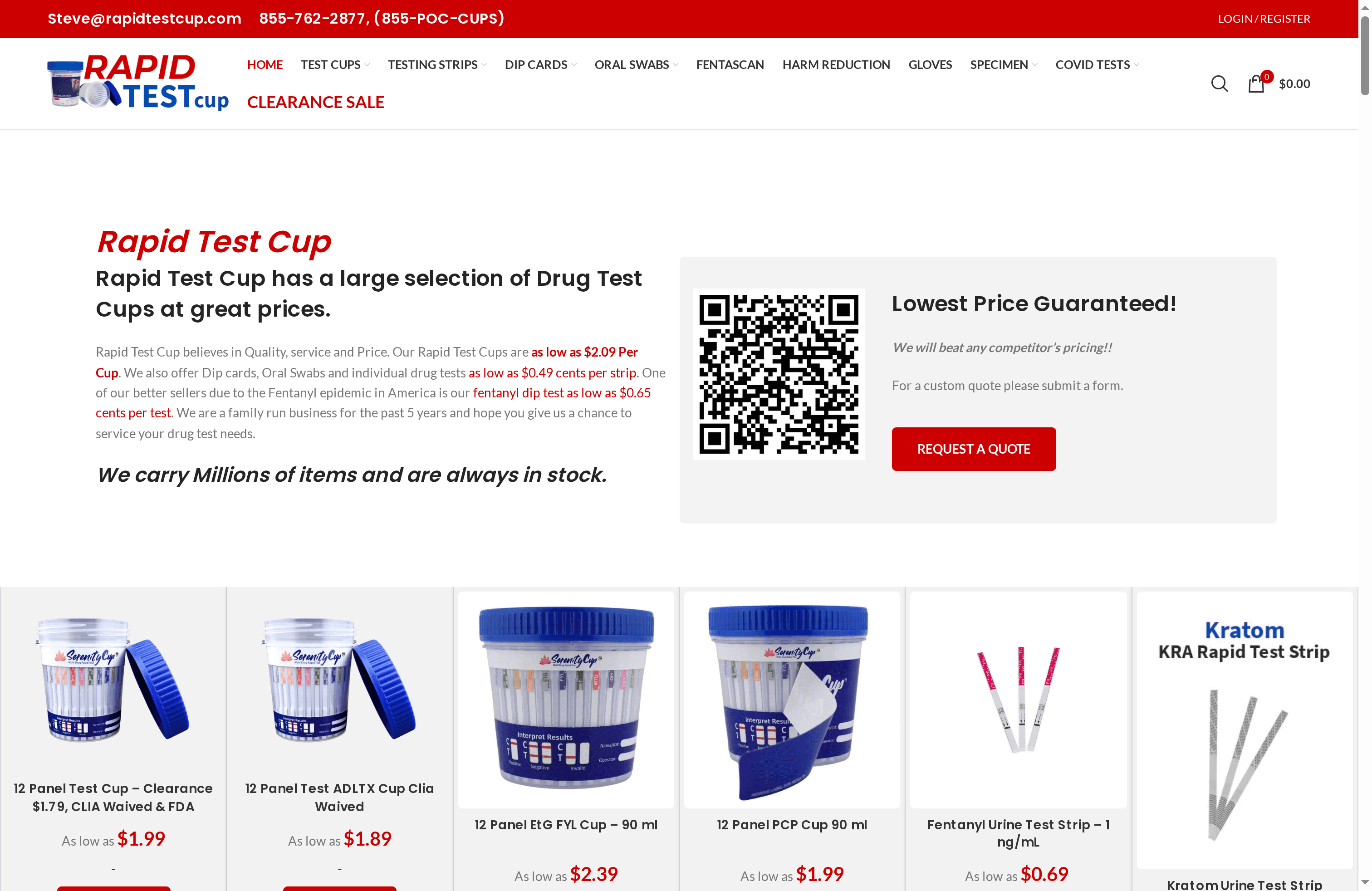
Professionals seeking user friendly, accurate options will find our 12 panel rapid test cup ideal for routine monitoring with adulterant detection built in. For comprehensive screening needs, the 15 panel drug test with adulterants provides maximum coverage in a single test. Optimize your protocols using our forensic drug testing checklist to ensure compliance and accuracy throughout your monitoring program.
Frequently Asked Questions
What is the optimal frequency for drug monitoring in high risk patients?
High risk patients benefit from weekly to biweekly monitoring during initial treatment phases. As stability improves, frequency can decrease to monthly testing while maintaining accountability and safety.
How does combining behavioral assessments with drug tests improve outcomes?
Integrated assessment improves outcome prediction accuracy by 35% compared to testing alone. Behavioral data provides context for test results, enabling more precise treatment adjustments and earlier intervention.
Are there privacy concerns associated with regular drug monitoring and how are they mitigated?
Proper programs maintain strict confidentiality through HIPAA compliant procedures and informed consent. Results remain within the treatment team unless patient authorizes specific disclosures, protecting privacy while supporting care.
What testing methods are most suitable for long term compliance tracking?
Hair testing provides 90 day detection windows ideal for historical compliance verification. For ongoing monitoring, urine testing offers the best balance of accuracy, cost, and detection window for regular intervals.
How can regular drug monitoring detect drug diversion effectively?
Scheduled random testing increases diversion detection by 40% through unpredictable timing and metabolite analysis. Consistent monitoring creates accountability that deters diversion while identifying suspicious patterns requiring investigation.