
Blog
One in Five K2 Spice Positives Are Confirmed: What Employers Should Buy


For routine screening, a CLIA-waived multi-panel urine cup with K2 coverage gets you an answer in minutes. For anything tied to a legal case, probation, or a job you can’t afford to lose, insist on LC-MS/MS lab confirmation before you accept the result. A rapid cup typically runs a modest per-test cost, while lab confirmation adds a few days and a separate fee, but it’s the only result that holds up under scrutiny.
TL;DR:
- Rapid urine tests for K2 are quick and inexpensive but only detect older compounds and may miss newer synthetic cannabinoids.
- Confirmatory LC-MS/MS testing accurately identifies specific metabolites and is essential for legal or employment cases.
- Urine remains the primary specimen due to its longer detection window and ease of collection, while oral fluid and blood are used for recent-use or clinical confirmation.
- Many over-the-counter K2 tests target outdated compounds, causing a high false-negative rate for newer analogs, with only about 20% of presumptive positives confirmed through lab testing.
- Always verify which compounds a panel detects, ensure lab confirmation is available, and pair rapid tests with valid specimen checks for reliable results.
Table of Contents
- How K2 and spice tests actually detect synthetic cannabinoids
- Choosing the right specimen: urine, oral fluid, or blood
- Where over-the-counter K2 tests fall short
- How to choose a K2/Spice test or lab service
- How our test cups and dip cards fit common testing workflows
- A practical take on screening versus confirming
- Where to buy test cups with K2 coverage
- FAQ
- Sources
How K2 and spice tests actually detect synthetic cannabinoids
Rapid screening tests, whether cups, dip cards, or strips, work by immunoassay: antibodies in the test react to specific drug metabolites and produce a color change. For synthetic cannabinoids, most of these kits were built around older compounds from the JWH family (like JWH-018 and JWH-073), which were among the first widely sold “K2” products. That’s a problem, because the synthetic cannabinoid market has moved on repeatedly since those early formulas, and an immunoassay only catches what it was designed to recognize.
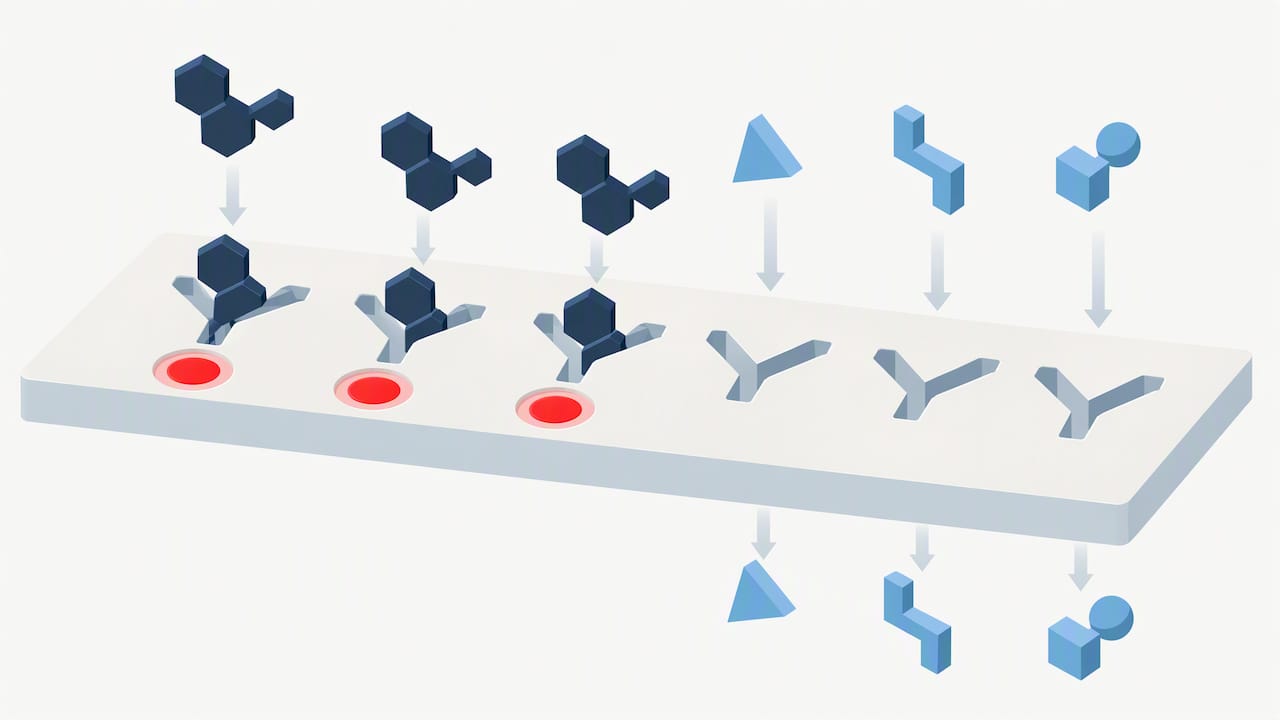
LC-MS/MS (liquid chromatography tandem mass spectrometry) confirmation works differently. Instead of a single antibody reaction, it separates and identifies individual compounds by mass, which lets a lab detect specific metabolites, distinguish between related analogs, and pick up newer designer compounds that never show up on a cup or card.
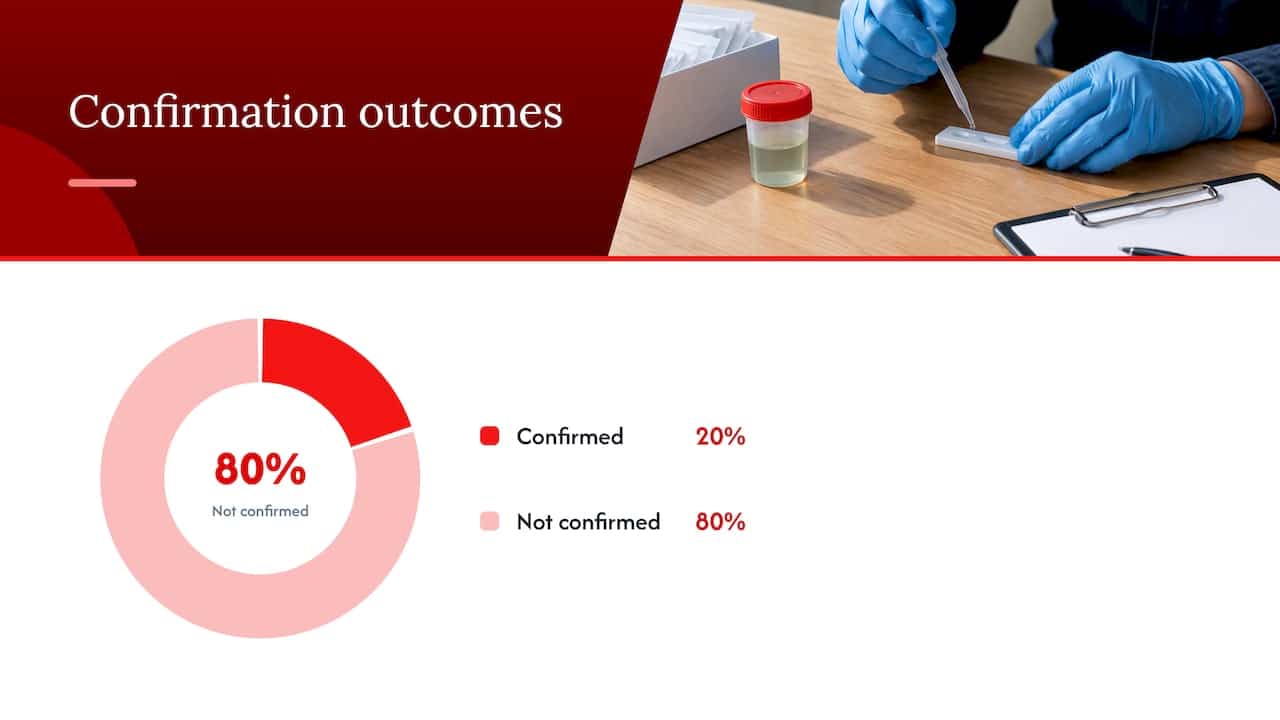
The gap between the two methods is well documented. In a large urine screening study of 20,017 specimens, immunoassay screening flagged 1,432 presumptive positives for synthetic cannabinoids, but comprehensive LC-MS/MS confirmation only verified 290 of them.
That’s roughly one confirmed positive for every five presumptive flags, a reminder that a screening result alone is not proof of use, according to the same confirmatory testing data.
- Immunoassay screens are fast and cheap but built around a fixed set of known metabolites.
- LC-MS/MS confirmation identifies specific compounds with much lower detection limits.
- A presumptive positive from a cup or card is only a lead, not a verdict.
Choosing the right specimen: urine, oral fluid, or blood
Urine remains the default matrix for workplace and most point-of-care testing because collection is simple and detection windows are longer than oral fluid. Oral fluid swabs work well for recent-use scenarios where a shorter window is acceptable, and blood testing is mostly reserved for clinical or forensic cases where a lab needs to confirm active impairment rather than past exposure.
Detection windows for synthetic cannabinoids vary by compound, dose, and individual metabolism, so there’s no single number that applies across the board. What’s consistent is that urine testing stays the practical choice for most organizations because of cost and ease of collection.
Specimen validity testing matters just as much as the panel itself. Labs and quality test cups check creatinine, specific gravity, pH, and temperature to catch diluted or substituted samples. Some synthetic urine products have been engineered to mimic natural biomarkers like uric acid and magnesium, which means basic dip-stick checks alone can miss a tampered specimen.
- Urine offers the longest practical detection window and the simplest collection process.
- Oral fluid suits recent-use checks but covers a shorter timeframe.
- Blood is reserved mainly for clinical or forensic confirmation.
Pro Tip: Always check specimen temperature within 4 minutes of collection; it’s one of the fastest ways to catch a substituted sample on-site.
Where over-the-counter K2 tests fall short
Rapid tests are built for speed, not comprehensive coverage, and that tradeoff shows up most when the compound in question is new. A review of detection methods for synthetic cannabinoids found that many commercial dip-card and cup tests target older K2/JWH-family compounds, while newer designer analogs such as AB-CHMINACA and QUPIC pass through undetected.
Three things typically cause a false negative on a rapid screen:
- The specific compound used isn’t one the antibody panel was designed to catch.
- Metabolite concentration falls below the cutoff level built into the test.
- Cross-reactivity limits mean the antibody responds narrowly, missing structurally different but pharmacologically similar compounds.
Only about 20% of presumptive positives in the 2014 military specimen study held up under full confirmation, underscoring how often a rapid result needs a second look before anyone treats it as final, based on the same confirmatory testing dataset.
If a result looks off, whether it’s an unexpected positive or a negative that doesn’t match the circumstances, the right move is to recollect under observed conditions and send the specimen to an accredited lab for LC-MS/MS confirmation rather than acting on the screen alone. Toxicologists increasingly treat LC-MS/MS confirmation as mandatory whenever a result carries legal or employment consequences.
How to choose a K2/Spice test or lab service
Before you buy a kit or sign up with a lab, run through a short checklist so you’re not caught short later.
- Confirm exactly which synthetic cannabinoid metabolites the panel covers, not just a generic “K2” label.
- Check the specimen type supported (urine, oral fluid, or blood) matches your use case.
- Verify CLIA-waived and FDA-cleared status for point-of-care products.
- Ask whether the kit or lab includes adulteration and validity checks (creatinine, pH, specific gravity).
- Confirm that LC-MS/MS confirmation is available, either in-house or through a referral lab.
- Ask about turnaround time and whether results come with MRO review for employment cases.
When you’re talking to a vendor or lab, ask these questions directly:
- Which specific compounds or metabolite groups does this panel detect?
- Is confirmatory testing included, and what’s the turnaround if a specimen needs it?
- Does the report meet chain-of-custody standards for legal or workplace use?
Vague panel descriptions, no mention of confirmatory testing, or reluctance to name specific compounds are red flags worth walking away from.
Pro Tip: A rapid cup typically costs a small fraction of a lab confirmation fee, but that difference disappears fast if you have to pay for both because the screen result got challenged.
How our test cups and dip cards fit common testing workflows
We offer multi-panel cups and dip cards that include K2 detection and built-in adulteration checks, such as creatinine, pH, and specific gravity markers, so a single device handles both the drug panel and the validity check. These products fit low-to-moderate-stakes screening well: pre-employment checks, routine program monitoring, or personal use.
- Our cups combine panels with adulterant strips in one device.
- Our dip cards suit quick, low-volume screening without a full cup setup.
- For anything with legal or disciplinary weight, pair our screening product with an accredited LC-MS/MS lab.
A practical take on screening versus confirming
A rapid K2 cup is the right tool when the cost of being wrong is low: routine workplace monitoring, a personal check, or a program that already plans to confirm any positive. It stops being the right tool the moment a result could affect someone’s job, custody arrangement, or probation status. In those cases, the extra days for LC-MS/MS confirmation aren’t a delay, they’re the only thing standing between a hunch and a defensible finding. Panels change as new compounds hit the market, so whatever kit or lab you use, check how recently its panel was updated.
— Justin
Where to buy test cups with K2 coverage
We built our catalog around the gap most buyers hit: panels that claim K2 coverage without telling you what’s actually included, and no clear path to confirmation if a result gets challenged. Every multi-panel cup we offer lists its compound coverage, and we pair that transparency with same-day shipping and bulk pricing for labs, clinics, and programs that test regularly.
A few places to start:
- The 18 Panel Drug Test Cup with KRA/500, K2/50, TRA/100, ETG/300, FEN/20, & Adulterants combines K2 detection with built-in validity markers.
- The full drug testing shop lets you compare panel sizes and compound coverage side by side.
- For volume orders or a lab-referral setup for confirmation testing, contact our sales team for a custom quote.
FAQ
Does K2 show up on a standard drug test?
Standard five-panel workplace tests usually don’t screen for synthetic cannabinoids at all; you need a panel that specifically lists K2 or a synthetic cannabinoid metabolite. Even then, coverage is limited to the specific compounds the antibody was built to detect, so a negative result doesn’t rule out use of a newer analog.
What drug cannot be detected in urine?
No drug is universally undetectable in urine, but detection depends on whether the test panel includes that specific compound and whether enough metabolite is present at the time of collection. Very new synthetic cannabinoid analogs often go undetected simply because commercial panels haven’t caught up to them yet, which is why LC-MS/MS confirmation exists for cases that need certainty.
How do you test for K2?
K2 testing starts with a rapid immunoassay screen, typically a urine cup, dip card, or oral swab, that checks for known synthetic cannabinoid metabolites. Any result tied to legal, employment, or clinical consequences should be followed by LC-MS/MS lab confirmation, since screening alone can both miss newer compounds and produce presumptive positives that don’t hold up.
How do you test for K2 in your body?
A urine specimen is the most common sample for K2 testing because it offers a practical detection window and is simple to collect. Oral fluid can catch more recent use over a shorter window, while blood testing is generally reserved for clinical or forensic confirmation rather than routine screening.
Can K2 cause a false positive on a drug test?
Cross-reactivity between synthetic cannabinoid antibodies and unrelated compounds can occasionally produce a false positive on a rapid screen, though this is less common than false negatives from uncovered analogs. Any unexpected result, positive or negative, should be verified with LC-MS/MS confirmation before anyone treats it as final.