Blog
Essential Drug Testing at Home Tips for Accurate Results


Over one million American households use at-home drug tests each year for peace of mind and personal accountability. Ensuring accuracy is vital because a single mistake can mean false results or unnecessary stress. Whether testing for safety, employment, or family reasons, creating the right environment and following proper protocols sets the stage for reliable outcomes. This guide walks you through the simple yet crucial steps that help every American get trustworthy results from home drug testing.
Table of Contents
- Step 1: Gather Needed Supplies and Set Up Testing Area
- Step 2: Review Test Instructions and Prepare Samples
- Step 3: Perform Home Drug Test Following Kit Directions
- Step 4: Interpret Results and Verify Test Accuracy
- Step 5: Safely Store or Dispose of Used Test Materials
Quick Summary
| Key Insight | Explanation |
|---|---|
| 1. Organize Supplies Effectively | Gather all necessary testing supplies in a clean, well-lit area to maintain testing integrity and avoid contamination. |
| 2. Follow Test Instructions Carefully | Review and understand the test kit instructions thoroughly before starting to ensure accurate sampling and results. |
| 3. Maintain a Clean Testing Environment | Use gloves and avoid touching the inside of containers to prevent sample contamination during the testing process. |
| 4. Interpret Results Within Time Frame | Read results accurately while adhering to the time guidelines provided to avoid misinterpretation due to timing errors. |
| 5. Dispose of Materials Safely | Treat used test materials as biological waste and follow local guidelines for safe disposal to prevent health risks. |
Step 1: Gather Needed Supplies and Set Up Testing Area
Preparing for an accurate home drug test requires careful planning and organization. You’ll want to create a clean, controlled environment that ensures reliable results and maintains testing integrity.
Start by assembling all necessary supplies in a well-lit, private area. Typically, this includes multiple drug test cups or test strips, clean collection containers, gloves, a stable surface for testing, and documentation materials. When setting up your testing area, choose a location with minimal distractions that offers privacy and allows you to follow standardized drug testing procedures. The National Institute on Drug Abuse recommends creating a controlled environment to prevent sample contamination or tampering.
Ensure your workspace is sanitized and organized before beginning. Place supplies within easy reach but not clustered together. Keep water sources and cleaning materials separate from testing equipment to avoid accidental cross-contamination. Arrange your items in a logical sequence that matches the testing protocol you’ll be following.
Pro tip: Always check expiration dates on drug testing supplies and have backup tests available in case of inconclusive results.
Step 2: Review Test Instructions and Prepare Samples
Carefully reviewing test instructions and preparing samples are critical steps that directly impact the accuracy of your drug testing process. By understanding and following each guideline precisely, you minimize the risk of false results and ensure reliable testing.
Begin by thoroughly reading the entire testing kit instructions from start to finish. Pay close attention to specific requirements like sample collection timing, temperature restrictions, and handling protocols. The National Institute on Drug Abuse emphasizes the critical importance of meticulously following test preparation guidelines to maintain testing integrity. Look for specific details about sample volume, collection methods, and any potential factors that could invalidate your test.
When preparing your sample, maintain a clean and controlled environment. Use the provided collection container exactly as instructed, avoiding touching the inside of the container or lid. Wear gloves to prevent contamination, and follow precise instructions for sample handling such as temperature requirements and immediate processing timeframes. Some tests have very specific windows for sample validity, so timing and technique are crucial.
Pro tip: Keep a timer or stopwatch nearby to precisely track sample collection and processing times, ensuring you stay within the recommended testing window.
Step 3: Perform Home Drug Test Following Kit Directions
Carrying out a home drug test requires precision and careful attention to each specific instruction. The success of your test depends entirely on following the manufacturer’s guidelines with meticulous accuracy.
Begin by carefully opening the test kit and laying out all components in the order specified. Standardized drug testing procedures emphasize the importance of strict protocol adherence to ensure reliable results. Carefully read each step before starting, paying close attention to timing instructions, sample handling requirements, and interpretation guidelines. Most home drug tests involve collecting a urine sample in the provided container, using the test strip or cassette exactly as directed, and waiting the precise amount of time specified for result development.

Position the test device on a clean, flat surface and apply the sample precisely as instructed. Some tests require specific droplet amounts or specific positioning of the sample. Watch the test carefully during the designated development time, avoiding any movement or disturbance that could compromise the results. After the specified time has passed, compare the test results to the provided interpretation chart, noting any color changes or line formations that indicate the presence or absence of specific substances.
Pro tip: Take a clear, well-lit photo of your test results as a backup, in case you need to review or consult with a professional about the interpretation.
Step 4: Interpret Results and Verify Test Accuracy
Interpreting home drug test results requires careful attention and understanding of the specific testing protocol. Your ability to accurately read and comprehend the test outcomes can significantly impact subsequent decisions and actions.
Comprehensive drug testing guidelines recommend a systematic approach to result interpretation to minimize potential misunderstandings. Most home drug tests use a visual indicator system involving colored lines or symbols on the test strip or cassette. Typically, a single line indicates a negative result, while two lines suggest the presence of the tested substance. Pay close attention to the specific instructions provided with your test kit, as interpretation methods can vary between different manufacturers and testing panels.
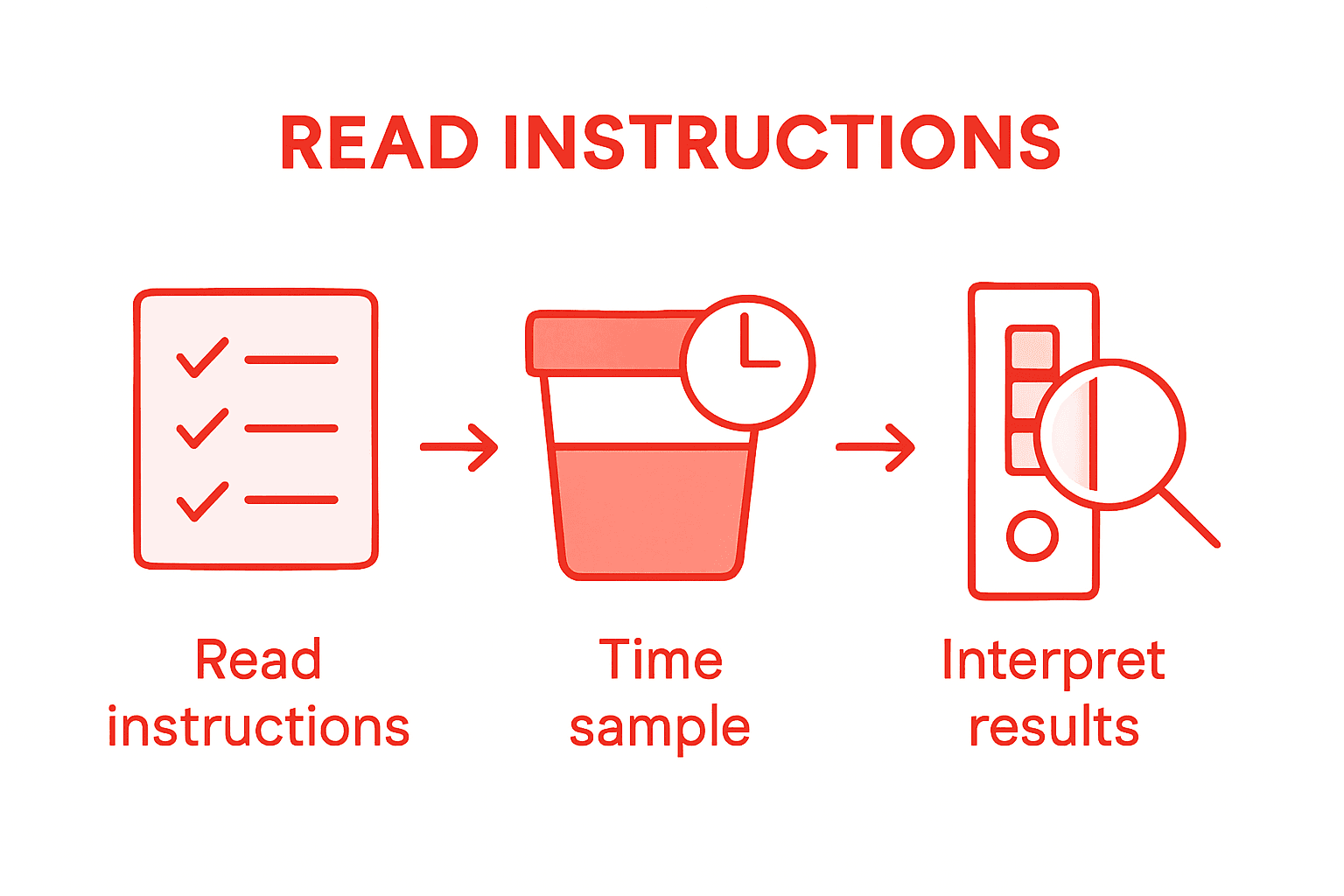
If your test results are positive or unclear, it is crucial to consider additional verification steps. Professional medical testing or laboratory confirmation can provide more definitive results. Some home test kits include recommendations for follow up testing or consultation with healthcare professionals. Remember that home drug tests are screening tools and not absolute diagnostic methods. Factors such as medication interactions, testing timing, and sample collection can potentially influence results.
Pro tip: Always read the test results within the specified time window indicated in the instructions, as waiting too long or checking results too early can lead to inaccurate interpretations.
Step 5: Safely Store or Dispose of Used Test Materials
After completing your drug test, proper handling of used materials is critical for maintaining safety and preventing potential contamination. Understanding the correct procedures for storage and disposal protects both personal and environmental health.
Drug testing safety protocols emphasize careful management of biological specimens and testing equipment to minimize potential health risks. Used test materials including urine samples, testing strips, and collection containers should be treated as potentially infectious waste. Wear disposable gloves when handling these items and place used materials in sealed plastic bags or designated medical waste containers. If disposing of materials at home, check local regulations regarding biological waste disposal, as guidelines can vary by location.
For sample containers with urine, consider neutralizing the biological material before disposal. Some areas recommend mixing the sample with bleach or disposing of it in a sanitary sewer system to prevent potential environmental contamination. Always seal containers completely to prevent leakage and avoid direct contact with used testing materials. Keep used test materials out of reach of children and pets, storing them temporarily in a secure location before final disposal.
Pro tip: Keep a small medical waste bag or sealed container specifically designated for disposing of drug testing materials to ensure safe and hygienic handling.
The table below summarizes common causes of inaccurate home drug test results and how to avoid them:
| Potential Cause | Description | Prevention Tip |
|---|---|---|
| Improper timing | Incorrect sample or reading time | Use a dedicated timer |
| Contamination | Touching inside of containers | Always wear new gloves |
| Expired supplies | Using outdated test kits | Check expiration dates |
| Misreading instructions | Not following all steps | Read instructions twice |
| Storage problems | Poor handling of used items | Store waste in sealed bag |
Here’s a quick reference comparing the main steps of a home drug test process:
| Step | Main Goal | Common Challenge | Key Tip |
|---|---|---|---|
| Gather Supplies | Set up a controlled workspace | Keeping area contamination-free | Organize items by use order |
| Review Instructions | Understand the test process | Overlooking timing details | Use a checklist before starting |
| Collect Sample | Obtain valid specimen | Accidental contamination | Handle containers with gloves |
| Perform Test | Execute procedure accurately | Misreading result timing | Set a timer for precision |
| Interpret Results | Read and act on outcomes | Unclear or faint lines | Compare to official chart |
| Dispose Materials | Safe waste management | Biological hazard risk | Use medical waste bags |
Achieve Accurate Home Drug Testing with Trusted Supplies from RapidTestCup
Recognizing the challenges of proper sample collection, timing accuracy, and result interpretation discussed in the article, it is clear that having high-quality, FDA-approved drug test kits is essential for reliable outcomes. Whether you are a professional, law enforcement, or an individual seeking precise results, sourcing your testing supplies from a trusted provider is critical to avoid contamination and false readings.
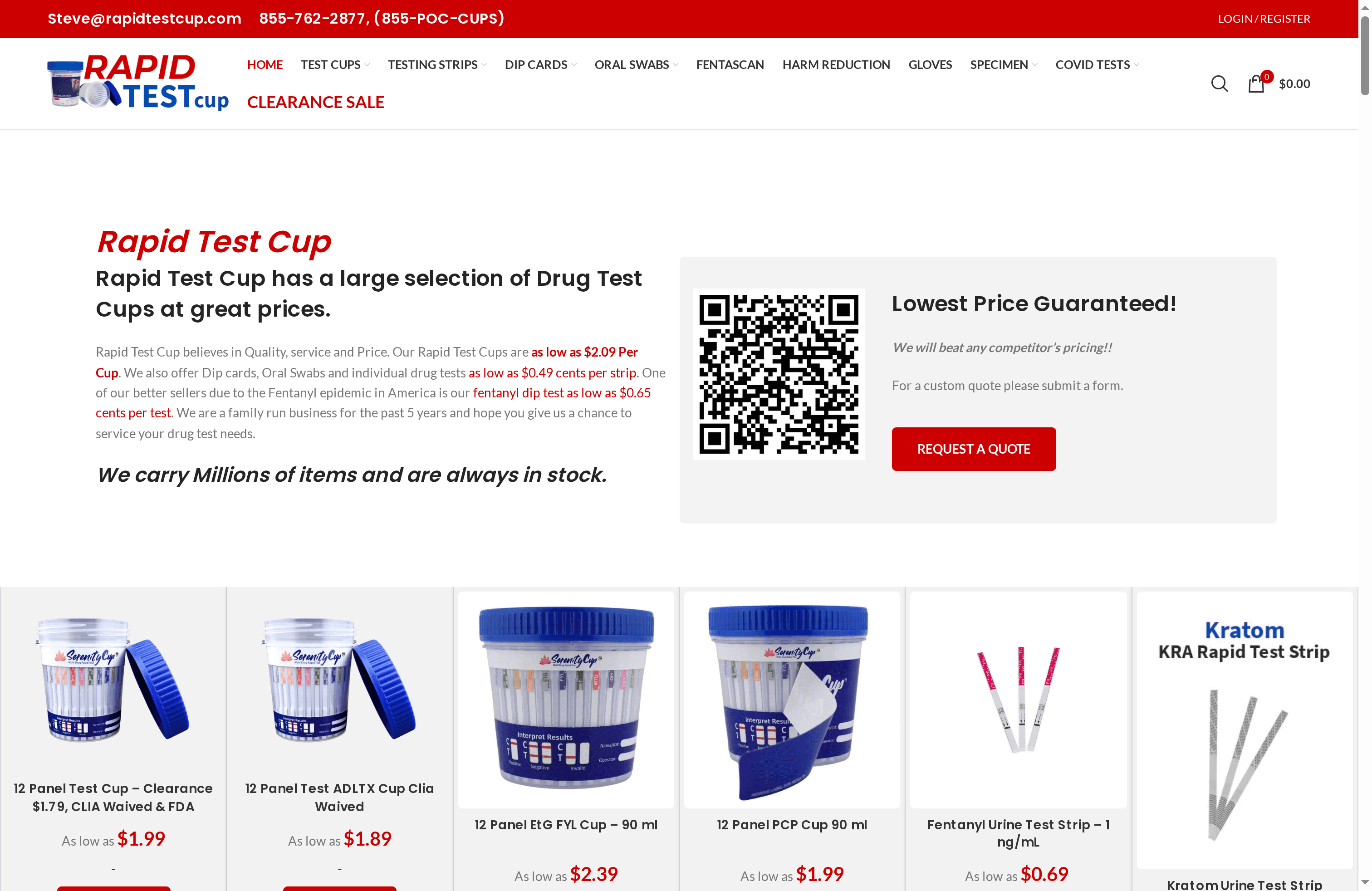
Take control of your home drug testing with confidence by exploring the wide selection of drug test cups, urine test strips, and adulteration testing products available at RapidTestCup. Designed to meet strict quality standards and backed by clear instructions, our products help you follow best practices step-by-step. Don’t risk inaccurate results from expired or substandard kits. Visit us now to order supplies that meet your testing needs and benefit from our fast shipping and bulk discounts. Start your accurate testing journey today by browsing RapidTestCup’s essential drug testing solutions and gain peace of mind with every test.
Frequently Asked Questions
How can I create a controlled environment for home drug testing?
To ensure accurate results, set up a clean and well-lit space free from distractions. Organize your supplies within easy reach without clustering them together, and keep water sources separate to prevent cross-contamination.
What steps should I take to prepare samples for a home drug test?
Start by thoroughly reading the test kit instructions to understand sample collection and handling requirements. Use the provided collection container as instructed, avoiding direct contact with its inner surfaces, and ensure you are within the sampling time frame specified.
How can I accurately interpret the results of my home drug test?
Carefully compare the visual indicators on your test device to the provided interpretation chart. Make sure to read the results within the designated time frame to avoid misinterpretation; for instance, checking results after the specified waiting period could lead to inaccurate conclusions.
What should I do if my home drug test yields a positive or unclear result?
If your test shows a positive or inconclusive result, consider following up with professional testing for confirmation. This step is crucial as home tests are preliminary, and lab confirmations can provide more reliable outcomes.
How do I safely dispose of used drug testing materials?
After testing, handle all used materials as potentially infectious waste and wear gloves during disposal. Place them in sealed plastic bags or designated medical waste containers, and follow local regulations for biological waste disposal to maintain safety.