

Blog
Accuracy in Drug Test Results: Safeguarding Clinical Integrity


Accurate drug test results matter more than ever for American clinical laboratories and substance abuse counselors. With over 60 percent of diagnostic errors linked to specimen management and testing protocol failures, ensuring validated accuracy is crucial for patient care and program compliance. This article brings clarity to the standards and methods that drive reliable drug testing, so you can confidently support clinical decision-making and regulatory requirements.
Table of Contents
- Defining Accuracy In Drug Test Results
- Types Of Drug Tests And Sample Collection
- How Analytical Methods Affect Accuracy
- Quality Control And Compliance Standards
- Factors Leading To False Or Inaccurate Results
- Best Practices For Reliable Drug Testing
Key Takeaways
| Point | Details |
|---|---|
| Accuracy is Critical | Drug testing accuracy relies on sensitivity, specificity, and reproducibility to ensure reliable results. Regular validation and calibration are essential. |
| Understand Sample Types | Different biological samples have unique advantages and detection windows; choose the appropriate type based on the context of use. |
| Follow Compliance Standards | Adhering to quality control and compliance standards is vital for maintaining testing integrity and ensuring defensibility of results. |
| Focus on Best Practices | Implementing robust laboratory protocols and ongoing training helps minimize errors and enhances the reliability of drug testing outcomes. |
Defining Accuracy in Drug Test Results
Accuracy in drug testing represents the precise measurement of a substance’s presence or absence within biological specimens, establishing a critical standard for clinical diagnostics and forensic evaluations. Precision in these assessments determines whether detected substances meet scientifically validated detection thresholds, ensuring reliable and reproducible outcomes across different testing methodologies.
In clinical practice, drug test accuracy involves multiple critical parameters: sensitivity, specificity, and reproducibility. Sensitivity measures a test’s ability to correctly identify the presence of a substance, while specificity determines the test’s capability to exclude false positives. These metrics become paramount when drug test cup technology plays a crucial role in screening protocols. Laboratories must consistently validate their testing procedures to maintain accuracy standards that meet regulatory compliance requirements.
The measurement of drug test accuracy encompasses quantitative and qualitative assessment techniques. Quantitative methods provide exact concentration measurements, while qualitative approaches determine substance presence or absence within predetermined threshold levels. Forensic and clinical professionals rely on these nuanced distinctions to make informed decisions about individual test results, treatment protocols, and potential legal implications.
Pro tip: Always verify the detection window and specific cutoff levels for each drug test panel to ensure comprehensive and accurate screening outcomes.
Types of Drug Tests and Sample Collection
Drug testing encompasses multiple sample types, each offering unique advantages for detecting substance use across different detection windows and contexts. Types of drug test panels reveal the complexity of modern screening methodologies, with each sample collection method presenting distinct characteristics for clinical and forensic applications.
Biological Sample Types include urine, blood, saliva, hair, sweat, and breath specimens. Urine remains the most common testing method due to its broad metabolite detection capabilities and relatively non-invasive collection process. Blood tests provide precise, immediate substance concentration measurements, while saliva offers quick screening for recent drug use. Hair follicle testing delivers an extensive historical record of substance consumption, potentially tracking usage patterns over several months.
Here’s a comparison of biological sample types used in drug testing and their key characteristics:
| Sample Type | Detection Window | Collection Complexity | Key Advantage |
|---|---|---|---|
| Urine | 1-5 days | Low | Cost-effective, common |
| Blood | Hours to 2 days | Medium | Exact concentration measurement |
| Saliva | Minutes to 2 days | Low | Rapid, recent use detection |
| Hair | Up to 90 days | High | Long-term substance history |
| Sweat | 1-14 days | Medium | Continuous monitoring |
| Breath | Minutes to hours | Low | Immediate alcohol/drug status |
Sample collection protocols demand rigorous standards to maintain testing integrity. Clinical professionals must follow strict guidelines that address donor identification, collection site security, and comprehensive documentation. These procedures prevent sample tampering and ensure chain of custody compliance, which is critical for legal and medical screening processes. Proper specimen handling includes specific volume requirements, controlled environment management, and meticulous tracking to validate test results.
Pro tip: Always verify collection protocol requirements specific to each drug testing panel to ensure maximum accuracy and legal defensibility of test results.
How Analytical Methods Affect Accuracy
Analytical methods play a critical role in determining the precision and reliability of drug testing protocols. Cutting-edge analytical advancements in clinical toxicology have revolutionized substance detection capabilities, introducing sophisticated techniques that dramatically improve the accuracy of screening processes across various testing environments.
Analytical Techniques encompass multiple sophisticated approaches designed to enhance detection sensitivity and minimize potential errors. High-resolution mass spectrometry represents a pivotal technological breakthrough, enabling researchers to identify complex compound structures with unprecedented precision. These advanced methodologies allow for multi-analyte detection, which means laboratories can simultaneously screen for multiple substances while maintaining exceptional accuracy. Techniques like immunoassay screening, gas chromatography, and liquid chromatography provide complementary strategies for confirming initial test results and reducing false-positive or false-negative outcomes.
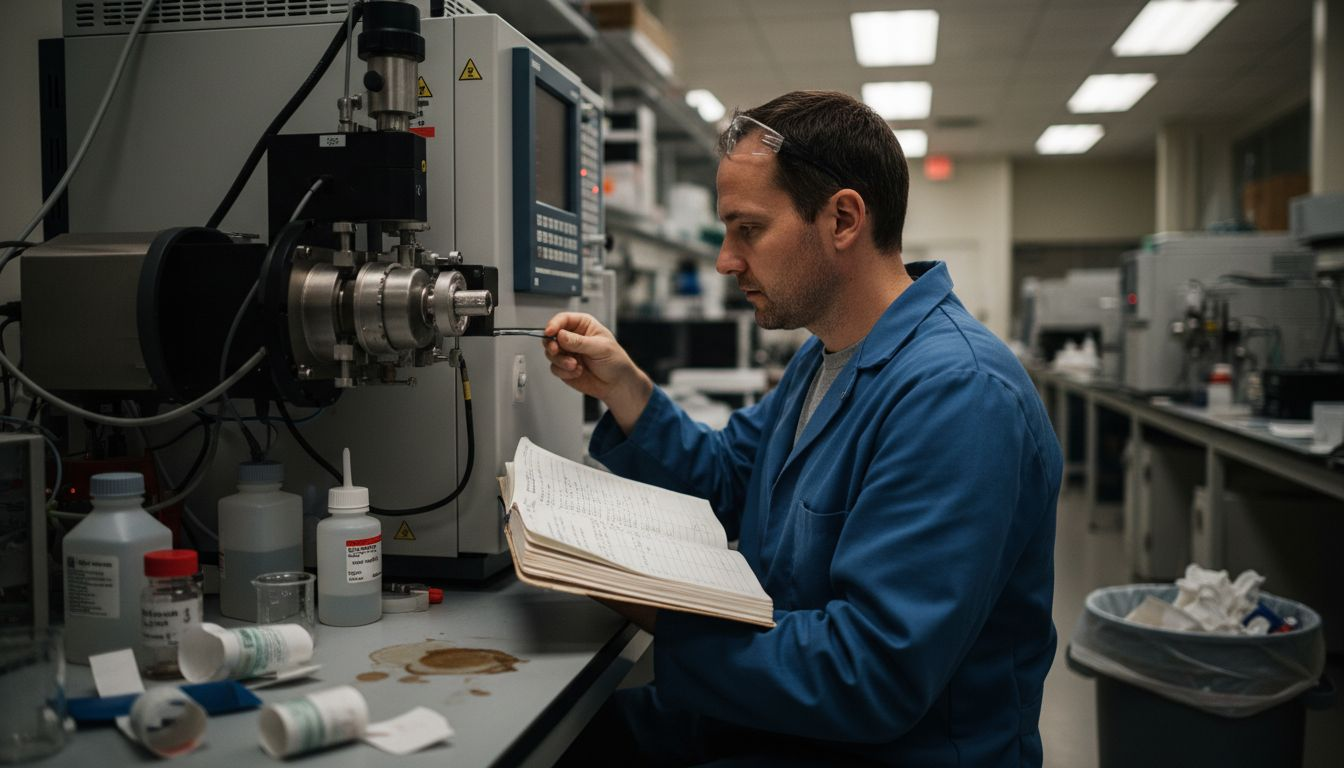
The evolution of analytical methods directly impacts the reliability of drug test results by addressing critical challenges in substance identification. Modern techniques can now detect increasingly smaller concentrations of compounds, track metabolic variations, and distinguish between closely related molecular structures. This improved sensitivity is particularly crucial when screening for emerging synthetic substances or conducting forensic investigations that demand absolute precision. Clinical and forensic professionals must continuously update their analytical protocols to keep pace with increasingly complex drug landscapes and emerging detection challenges.
Pro tip: Regularly calibrate analytical instruments and participate in inter-laboratory proficiency testing to maintain the highest standards of measurement accuracy and reliability.
Quality Control and Compliance Standards
Quality control represents the cornerstone of reliable drug testing protocols, establishing rigorous frameworks that ensure consistent and defensible results across clinical and forensic settings. Mandatory guidelines for federal workplace drug testing programs provide comprehensive standards that mandate scientific and technical benchmarks for testing procedures, specimen collection, and laboratory certification.
Compliance Standards encompass multiple critical dimensions of laboratory performance. These include documented procedures for specimen handling, precise analytical protocols, personnel training requirements, and systematic quality audits. International standards like ISO 17025 guide laboratories in developing robust Quality Management Systems (QMS) that promote consistency, reliability, and continuous improvement. Key components include equipment calibration, inter-laboratory proficiency testing, documented error tracking, and comprehensive personnel qualification processes.
Medical Review Officers (MROs) play a pivotal role in maintaining test integrity by providing professional oversight and interpreting complex test results. They ensure that positive screenings undergo confirmatory testing, evaluate potential medical explanations for unexpected results, and validate the scientific accuracy of drug test outcomes. Laboratories must maintain meticulous documentation demonstrating adherence to federal and international compliance standards, with annual certification processes that rigorously assess technical competence and procedural accuracy.
Pro tip: Implement a comprehensive internal audit program that simulates external certification requirements to proactively identify and address potential compliance gaps before official inspections.
Factors Leading to False or Inaccurate Results
Drug testing accuracy hinges on multiple complex variables that can potentially compromise result reliability. Understanding the nuanced factors affecting drug test accuracy reveals the intricate challenges laboratories face in maintaining precise diagnostic outcomes.

Sample Collection Complications represent a primary source of potential inaccuracies. Improper specimen handling, inadequate storage conditions, and contamination risks can significantly distort test results. Hydration levels, medication interactions, and timing of specimen collection introduce additional variables that may trigger false positive or negative outcomes. Biological factors such as individual metabolic differences, genetic variations, and recent dietary intake can also influence test sensitivity and specificity, creating potential interpretative challenges for clinical professionals.
Technical and procedural errors constitute another critical dimension of potential inaccuracies. Laboratory equipment calibration, technician training, and adherence to standardized protocols directly impact testing precision. Cross-reactivity between substances, insufficient screening cutoff levels, and limitations in current detection methodologies can produce unreliable results. Sophisticated drug testing protocols must account for these potential interference mechanisms, implementing confirmatory testing strategies and comprehensive quality control measures to mitigate systematic errors and ensure result integrity.
This table summarizes factors that commonly cause false or inaccurate drug test results:
| Factor Type | Example Issues | Potential Impact |
|---|---|---|
| Collection Problems | Improper sample storage | Contaminated results |
| Biological Variation | Individual metabolism | False positives/negatives |
| Technical Errors | Calibration mistakes | Reduced test accuracy |
| Medication Interference | Prescription drug interaction | Misinterpreted findings |
Pro tip: Implement multiple verification steps and utilize confirmatory testing techniques to cross-validate initial screening results and minimize the potential for false interpretations.
Best Practices for Reliable Drug Testing
Ensuring drug test reliability requires a comprehensive approach that integrates multiple strategic protocols and systematic quality control measures. Establishing comprehensive Standard Operating Procedures forms the foundation for maintaining consistent and defensible testing outcomes across clinical and forensic environments.
Laboratory Protocols demand meticulous attention to detail in several critical domains. Specimen collection requires strict chain of custody documentation, ensuring each sample can be definitively tracked from acquisition through analysis. Personnel training becomes paramount, with ongoing education programs that update technicians on emerging detection methodologies, potential interference mechanisms, and evolving regulatory requirements. Key practices include implementing multi-stage verification processes, utilizing confirmatory testing techniques, and maintaining rigorous equipment calibration schedules to minimize potential sources of error.
Quality assurance represents another fundamental component of reliable drug testing. Laboratories must develop robust internal validation mechanisms that continuously assess testing accuracy, sensitivity, and specificity. This involves regular proficiency testing, inter-laboratory comparisons, and comprehensive documentation of all procedural steps. Advanced screening techniques, such as high-resolution mass spectrometry and immunoassay confirmations, provide additional layers of analytical precision, helping to mitigate potential false positive or negative results.
Pro tip: Implement a comprehensive quality management system that includes monthly internal audits and quarterly external proficiency testing to proactively identify and address potential procedural vulnerabilities.
Ensure Precision With Trusted Drug Testing Supplies
Accuracy in drug test results is vital to safeguarding clinical integrity and maintaining confidence in your screening protocols. This article highlights key challenges such as proper sample collection, contamination risks, and the necessity of confirmatory testing to avoid false positives or negatives. When precision matters, having reliable and FDA-approved testing products at your disposal is essential for laboratories, clinics, and forensic professionals.
At RapidTestCup, we understand these pain points and offer a comprehensive selection of high-quality drug test cups, collection accessories, and adulteration detection kits designed to help you achieve the accuracy standards discussed here. Our products are CLIA waived and FDA approved, supporting your commitment to strict compliance and quality control. Whether you need drug test cup technology that enhances accuracy or specialized panels that align with the latest protocols, we have solutions tailored for your professional needs.
Take control of your drug testing process today with trusted supplies from RapidTestCup. Browse our full catalog to find affordable, quick-shipping options that help you prevent errors and maintain confidence in every result. Visit RapidTestCup now to elevate your testing accuracy and safeguard clinical integrity.
Frequently Asked Questions
What factors affect the accuracy of drug test results?
Multiple factors can impact accuracy, including sample collection complications, biological variations, and technical errors in the testing process. Proper specimen handling and adherence to protocols are crucial for reliable results.
How can false positives or negatives occur in drug testing?
False positives or negatives can arise from improper sample collection, interference from other substances (like medications), and variations in individual metabolism. Ensuring rigorous testing and confirmatory procedures helps minimize these risks.
What are the best practices for ensuring reliable drug testing?
Best practices include maintaining a strict chain of custody, regular training for personnel, and implementing comprehensive quality assurance measures. It’s essential to conduct proficiency testing and utilize confirmatory testing techniques to enhance accuracy.
Why is analytical method selection important for drug tests?
The choice of analytical methods directly affects the sensitivity and specificity of drug tests. Advanced techniques like high-resolution mass spectrometry improve the ability to detect substances with precision, ultimately safeguarding the integrity of test results.