Blog
7 Key Drug Testing Trends for 2025 Every Lab Must Know


Keeping up with new drug testing technologies can feel overwhelming as substances on the market keep changing and threats become more complex. From the rise of potent synthetic drugs to creative attempts at adulteration, your usual screening methods may not be enough anymore. Adapting to these shifts is crucial if you want accurate results and reliable safety protocols.
These latest trends and tools in drug testing will help you strengthen your process and stay ahead of emerging risks. With advances like rapid on-site solutions and breakthrough detection devices, you can identify dangerous substances faster than ever. Get ready to uncover actionable strategies and smarter technologies that can protect your workplace, patients, or organization.
Table of Contents
- 1. Rise of Rapid On-Site Drug Testing Solutions
- 2. Increased Focus on Synthetic Drug Detection
- 3. Advances in Adulteration Detection Methods
- 4. Growing Importance of Multi-Panel Testing Kits
- 5. Enhanced Data Integration for Compliance Reporting
- 6. Adoption of Cloud-Based Result Management Systems
- 7. Regulatory Updates Impacting Testing Standards
Quick Summary
| Takeaway | Explanation |
|---|---|
| 1. Embrace Rapid On-Site Testing | Adopt rapid drug testing solutions for immediate results and improved safety within healthcare and workplaces. |
| 2. Stay Ahead of Synthetic Drugs | Invest in cutting-edge detection technologies to effectively identify new synthetic compounds that evade traditional methods. |
| 3. Enhance Adulteration Detection | Utilize advanced detection methods to ensure sample integrity and combat tampering in drug tests. |
| 4. Implement Multi-Panel Testing | Use multi-panel testing kits for comprehensive substance screening to enhance efficiency and reduce costs. |
| 5. Focus on Data Integration | Invest in compliance reporting technologies for better data management and reduced error in substance screening documentation. |
1. Rise of Rapid On-Site Drug Testing Solutions
The landscape of drug testing is undergoing a dramatic transformation with the emergence of rapid on-site drug testing solutions. These innovative technologies are revolutionizing how healthcare providers, employers, and safety professionals conduct substance screening.
The global point-of-care drug testing market is experiencing significant growth, driven by two critical factors: increasing substance abuse prevalence and the urgent need for faster, more accessible testing methods. According to market research insights, technological advances are making these rapid tests more accurate and comprehensive.
Key advantages of rapid on-site drug testing include:
- Immediate results within minutes
- High accuracy comparable to laboratory testing
- Reduced logistical complexity
- Lower overall testing costs
- Enhanced workplace and healthcare safety
Rapid on-site testing transforms drug screening from a time-consuming process to an immediate, actionable intervention.
These portable testing technologies leverage advanced immunoassay test strips and compact analyzers that enable professionals to conduct screenings directly at the point of care. Whether in workplace settings, healthcare facilities, or forensic environments, these solutions provide instant insights into potential substance use.
Healthcare providers can now make quicker diagnostic decisions, employers can maintain safer work environments, and substance abuse programs can implement more responsive interventions.
Pro tip: When implementing rapid drug testing, always validate your testing equipment’s certification and maintain strict chain-of-custody protocols to ensure legal and ethical compliance.
2. Increased Focus on Synthetic Drug Detection
The synthetic drug landscape represents an increasingly complex and dangerous challenge for drug testing professionals. Synthetic substances are evolving at an unprecedented rate, creating significant obstacles for traditional detection methods.
The global illicit synthetic drug market continues to expand rapidly, with traffickers developing new compounds designed to circumvent existing testing protocols. Emerging detection technologies are becoming critical in addressing this public health threat.
Key challenges in synthetic drug detection include:
- Rapidly changing chemical compositions
- Limited standardized testing protocols
- Complex molecular structures
- High variability in substance potency
- Continuous development of new synthetic compounds
Synthetic drugs represent a moving target in substance screening, requiring constant technological adaptation.
Breakthrough technologies are now emerging to combat these challenges. Handheld devices capable of real-time synthetic drug identification are being deployed across law enforcement and healthcare settings. These advanced tools can detect dangerous substances with unprecedented speed and accuracy.
Laboratories and testing facilities must invest in continuous training and cutting-edge detection technologies to stay ahead of synthetic drug manufacturers. This includes developing multi-panel screening methods that can rapidly identify a wide range of synthetic compounds.
Pro tip: Regularly update your synthetic drug detection protocols and invest in ongoing staff training to maintain the highest levels of screening effectiveness.
3. Advances in Adulteration Detection Methods
Adulteration detection in drug testing represents a critical battleground in maintaining test accuracy and integrity. Sophisticated tampering techniques continue to challenge laboratories and testing professionals, driving innovative technological solutions.
Modern adulteration detection has evolved far beyond simple visual inspections. Cutting-edge detection technologies now employ advanced analytical methods designed to identify even the most subtle attempts to manipulate test samples.
Key advancements in adulteration detection include:
- Spectroscopic analysis techniques
- Machine learning algorithms
- Electrochemical sensor technologies
- Multi-parameter screening protocols
- Real-time chemical composition analysis
Adulteration detection is no longer about catching cheaters but ensuring scientific precision.
Emergent technologies are transforming how laboratories approach sample integrity. Microfluidic devices and optical sensors now provide unprecedented capabilities for detecting chemical modifications and unauthorized substance introductions.
These sophisticated methods go beyond traditional screening by analyzing multiple parameters simultaneously. Laboratories can now detect not just the presence of adulterants but also understand the specific techniques used to manipulate samples.
Pro tip: Invest in continuous staff training and regularly update your adulteration detection protocols to stay ahead of emerging tampering techniques.
4. Growing Importance of Multi-Panel Testing Kits
Multi-panel drug testing kits are revolutionizing substance screening across multiple industries. Comprehensive testing technologies are quickly becoming the gold standard for efficient and thorough substance detection.
The global market for multi-drug test dip cards continues to expand dramatically, driven by increasing awareness of substance abuse prevention and rigorous regulatory requirements.
Key advantages of multi-panel testing include:
- Rapid detection of multiple substances
- Enhanced cost-effectiveness
- Reduced testing time
- Comprehensive screening capabilities
- Improved workplace and healthcare safety
Multi-panel testing transforms substance screening from a complex process to a streamlined solution.
These advanced testing kits offer unprecedented sensitivity and specificity. Healthcare providers, law enforcement agencies, and workplace safety managers can now simultaneously screen for numerous substances using a single test.
The technology behind multi-panel testing continues to evolve. Modern kits can detect an increasingly wide range of substances, including traditional drugs, synthetic compounds, and emerging chemical variations.
Pro tip: Select multi-panel testing kits that offer the broadest range of substance detection while maintaining high accuracy and regulatory compliance.
5. Enhanced Data Integration for Compliance Reporting
Complex drug testing workflows demand sophisticated data management solutions. Compliance reporting technologies are rapidly transforming how laboratories track, document, and report substance screening results.
AI-powered automation tools are revolutionizing administrative processes in drug testing compliance, dramatically reducing manual documentation burdens.
Key advantages of enhanced data integration include:
- Automatic chain-of-custody tracking
- Reduced human error rates
- Streamlined regulatory reporting
- Real-time documentation management
- Improved audit trail accuracy
Integrated data systems transform compliance from a challenge to a strategic advantage.
Modern laboratories can now capture, validate, and report testing data with unprecedented efficiency. These advanced systems seamlessly combine information from multiple sources, creating comprehensive and auditable records.
The integration goes beyond simple record keeping. Intelligent systems now analyze data patterns, helping organizations identify potential risks and maintain proactive compliance strategies across safety-sensitive industries.
Pro tip: Invest in data integration platforms that offer robust security protocols and can easily interface with your existing laboratory management systems.
6. Adoption of Cloud-Based Result Management Systems
Cloud technology is transforming drug testing result management with unprecedented efficiency and connectivity. Digital transformation in laboratories is no longer optional but a critical strategic imperative.
The cloud-based drug testing market continues to expand rapidly, driven by the need for scalable, collaborative, and secure data management solutions.
Key advantages of cloud-based result management include:
- Instant remote access to test results
- Enhanced data security protocols
- Seamless team collaboration
- Reduced infrastructure costs
- Automatic backup and version control
- Simplified regulatory compliance
Cloud systems turn data management from a logistical challenge into a strategic advantage.
Modern laboratories can now access, share, and analyze testing data from anywhere with robust security and real-time synchronization. These platforms eliminate traditional barriers of physical location and enable unprecedented levels of interdepartmental and inter-institutional cooperation.
Software-as-a-service models are revolutionizing how laboratories approach data management, offering flexible, scalable solutions that adapt to changing technological and regulatory landscapes.
Pro tip: Select cloud platforms with comprehensive encryption, multi-factor authentication, and compliance certifications to ensure the highest levels of data protection and regulatory adherence.
7. Regulatory Updates Impacting Testing Standards
Regulatory landscapes are continuously evolving, presenting both challenges and opportunities for drug testing professionals. Compliance requirements are becoming increasingly sophisticated and detailed.
Clinical trial regulatory changes in 2025 are introducing more stringent documentation and data integrity standards across pharmaceutical and healthcare sectors.
Key regulatory trends include:
- Enhanced data traceability requirements
- Stricter documentation protocols
- Increased transparency mandates
- Harmonized international standards
- More comprehensive biospecimen management
Regulatory updates transform compliance from a checkbox to a strategic imperative.
The European Union is implementing comprehensive changes to clinical trial management, including new regulations that streamline processes and enhance overall transparency. These updates require laboratories to develop more robust documentation and tracking systems.
Laboratories must proactively adapt to these changes by investing in advanced documentation technologies, staff training, and comprehensive quality management systems that meet emerging regulatory expectations.
Pro tip: Develop a dedicated compliance team that continuously monitors regulatory updates and implements proactive adaptation strategies across your organization.
Here is a detailed summary table encapsulating the main innovations and trends in drug testing technologies as discussed in the article.
| Topic | Description | Key Advantages/Considerations |
|---|---|---|
| Rapid On-Site Drug Testing | Technologies allowing fast and accurate substance screening directly at the point of care. | Immediate results, high accuracy, reduced logistics and costs, and enhanced safety. |
| Detection of Synthetic Drugs | Addressing challenges related to the evolving nature of synthetic drug compounds. | Advanced handheld devices, adaptation to changing compositions, and multi-panel methods. |
| Adulteration Detection | Utilizing cutting-edge analytical methods to ensure sample integrity in drug testing. | Techniques like spectroscopic analysis, machine learning, and real-time chemical analysis. |
| Multi-Panel Testing Kits | Comprehensive solutions for detecting multiple substances simultaneously. | Rapid and cost-effective testing with a broad range of detectable substances for diverse applications. |
| Enhanced Data Integration | Sophisticated systems for managing data in compliance reporting and administration. | Automation, reduced errors, real-time management, and improved audit capabilities. |
| Cloud-Based Result Management | Leveraging cloud platforms for flexible and secure access to test data. | Scalability, collaboration, cost reduction, automatic backups, and robust compliance tools. |
| Regulatory Updates | The impact of evolving rules on drug screening standards and procedures. | Enhanced documentation, international harmonization, and proactive adaptation strategies. |
Stay Ahead with Reliable Drug Testing Solutions from RapidTestCup.com
The 7 key drug testing trends for 2025 highlight urgent challenges like the rise of synthetic drugs, the need for advanced adulteration detection, and streamlined compliance reporting. Labs and healthcare providers must deliver accurate, rapid, and multi-panel testing while staying compliant with evolving regulations. At RapidTestCup.com, we understand the pressure to maintain test integrity and operational efficiency. Our extensive selection of CLIA waived, FDA-approved drug test cups, dip cards, and specimen collection supplies helps you meet these demands with confidence.
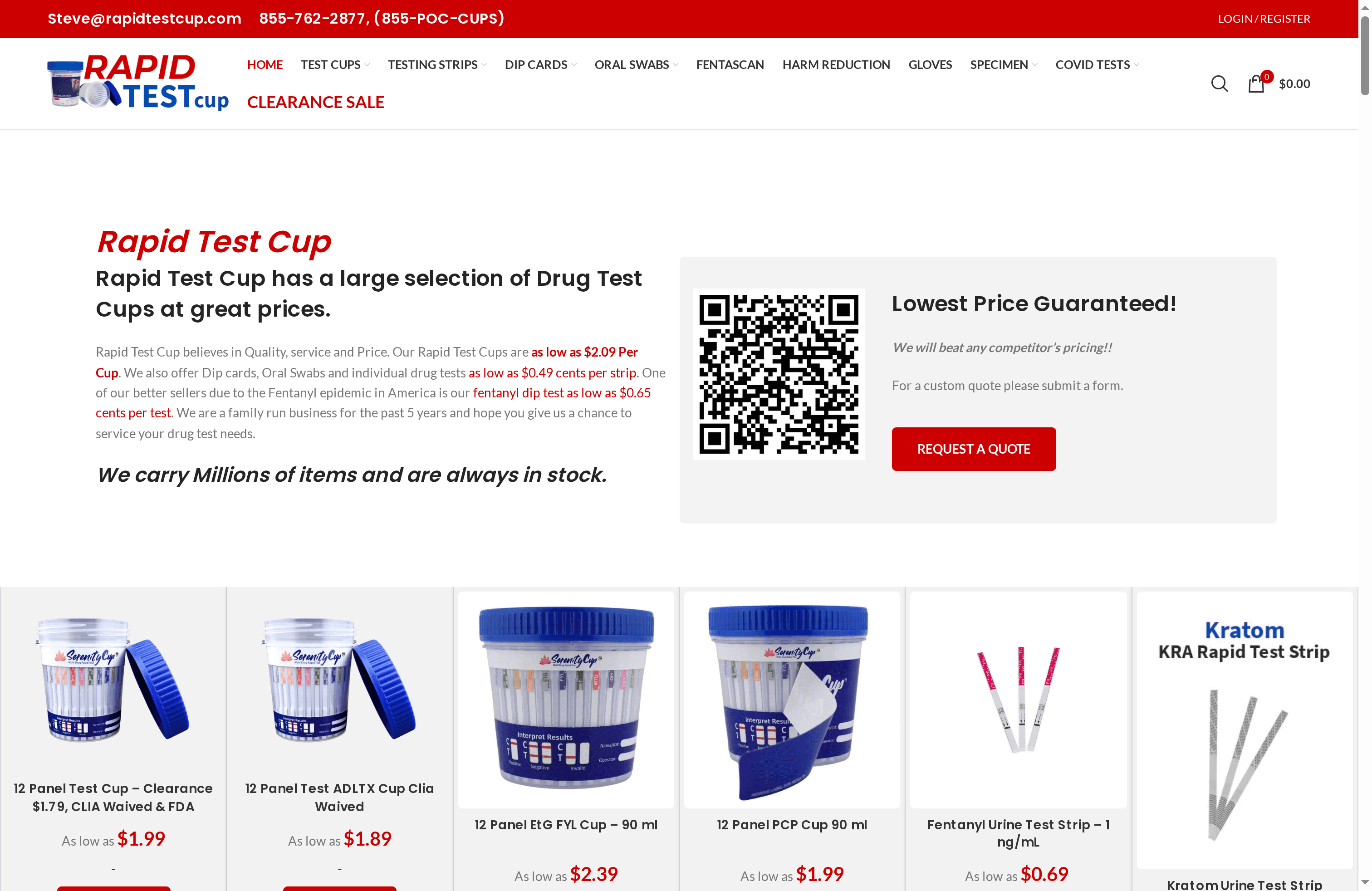
Explore our high-quality products designed for forensic, professional, and clinical settings to ensure you get immediate results, detect synthetic substances, and prevent sample tampering. Don’t wait to upgrade your testing capabilities because today’s challenges require tomorrow’s solutions. Visit RapidTestCup.com now and request a custom quote or browse our complete catalog for fast shipping and unbeatable prices.
Take control of your drug testing program with trusted tools that keep you compliant and effective.
Frequently Asked Questions
What are rapid on-site drug testing solutions?
Rapid on-site drug testing solutions are innovative technologies that allow for immediate substance screening at the point of care. To implement these solutions, select portable testing devices that provide accurate results within minutes, making it easier to assess potential substance use quickly.
How can I enhance synthetic drug detection in my lab?
To enhance synthetic drug detection, invest in advanced detection technologies that can identify new compounds. Regularly train your staff on the latest detection protocols to ensure you’re equipped to handle the ever-changing landscape of synthetic substances.
What advancements exist in adulteration detection for drug testing?
Adulteration detection has evolved through technologies like spectroscopic analysis and machine learning algorithms, making it easier to spot tampering attempts. Upgrade your testing procedures by incorporating multi-parameter screening methods to catch the most sophisticated adulterants effectively.
Why should I use multi-panel testing kits for drug screening?
Multi-panel testing kits allow for the rapid detection of multiple substances in a single test, improving efficiency and cost-effectiveness in drug screening. Choose kits that maximize sensitivity and specificity to ensure comprehensive testing in your workplace or healthcare setting.
How can data integration improve compliance reporting in drug testing?
Enhanced data integration allows for automatic tracking and documentation of testing results, reducing human error. Focus on adopting an integrated data management system to streamline your regulatory reporting processes and improve overall audit accuracy.
What are cloud-based result management systems, and how can they benefit my lab?
Cloud-based result management systems enable instant access to test results and secure data storage from any location. Transition to a cloud platform that supports compliance, allowing your lab to efficiently manage testing data and facilitate team collaboration.