Blog
Drug testing 2025: AI and oral fluid boost accuracy 50%


The U.S. drug screening market is expected to grow from $13.8 billion in 2024 to over $52 billion by 2034, driven by rapid technological advances and shifting regulations. For healthcare professionals and substance abuse program administrators, 2025 represents a pivotal year requiring adaptation to maintain compliance and accuracy. This article clarifies emerging testing methods, evolving federal and state rules, and practical strategies to navigate the transformation successfully.
Table of Contents
- Introduction To The Future Of Drug Testing In 2025
- Technological Innovations In Drug Testing Methods
- Regulatory Landscape And Compliance Challenges In 2025
- Emerging Market Trends And Technology Adoption
- Common Misconceptions About Drug Testing In 2025
- Practical Implementation Guidance For Healthcare And Substance Abuse Programs
- Summary And Future Outlook
- Explore Advanced Drug Testing Solutions At RapidTestCup
Key takeaways
| Point | Details |
|---|---|
| Technology advances | AI analytics and oral fluid testing deliver faster, more accurate results with reduced adulteration risk. |
| Regulatory complexity | Federal mandates retain strict testing rates while state marijuana laws create compliance challenges. |
| Market growth | Drug testing demand surges due to workplace safety needs and point-of-care testing adoption. |
| Common myths | Oral fluid testing now rivals urine accuracy; AI supports but doesn’t replace human oversight. |
| Implementation strategy | Select technologies matching your compliance needs, train staff, and review regulations regularly. |
Introduction to the future of drug testing in 2025
Drug testing in 2025 stands at the intersection of breakthrough technologies and complex regulatory shifts. Healthcare facilities and substance abuse programs face pressures to maintain accuracy while adapting to new methods approved by federal agencies. Understanding these changes ensures you avoid costly compliance errors and operational disruptions.
Several trends define the current landscape. Oral fluid testing gains official DOT approval, offering advantages over traditional urine methods. AI platforms analyze result patterns to flag anomalies without replacing medical review officers. Multi-panel tests expand to detect synthetic drugs and novel psychoactive substances. Meanwhile, federal regulations maintain a 50% random drug testing rate in safety-sensitive sectors despite state marijuana legalization creating policy conflicts.
Key developments include:
- DOT recognition of oral fluid as an approved testing method
- AI-driven analytics improving accuracy and compliance monitoring
- Expanded multi-panel capabilities covering emerging synthetic substances
- Federal compliance revisions effective mid-2025
- State-level marijuana legalization complicating THC testing policies
These shifts demand proactive assessment of your current testing protocols. Programs relying solely on outdated methods risk noncompliance and reduced effectiveness. Staying informed about drug testing trends 2025 positions your organization to adapt quickly. The regulatory environment rewards those who balance innovation with rigorous adherence to federal and state requirements.
Technological innovations in drug testing methods
Oral fluid testing represents one of the most significant advances in drug screening technology. Unlike urine tests, oral fluid testing provides a shorter drug detection window and reduces sample adulteration risks. This method detects recent drug use, typically within 24 to 48 hours, making it ideal for post-accident and reasonable suspicion testing. Collection occurs under direct observation without privacy concerns, eliminating common tampering methods.
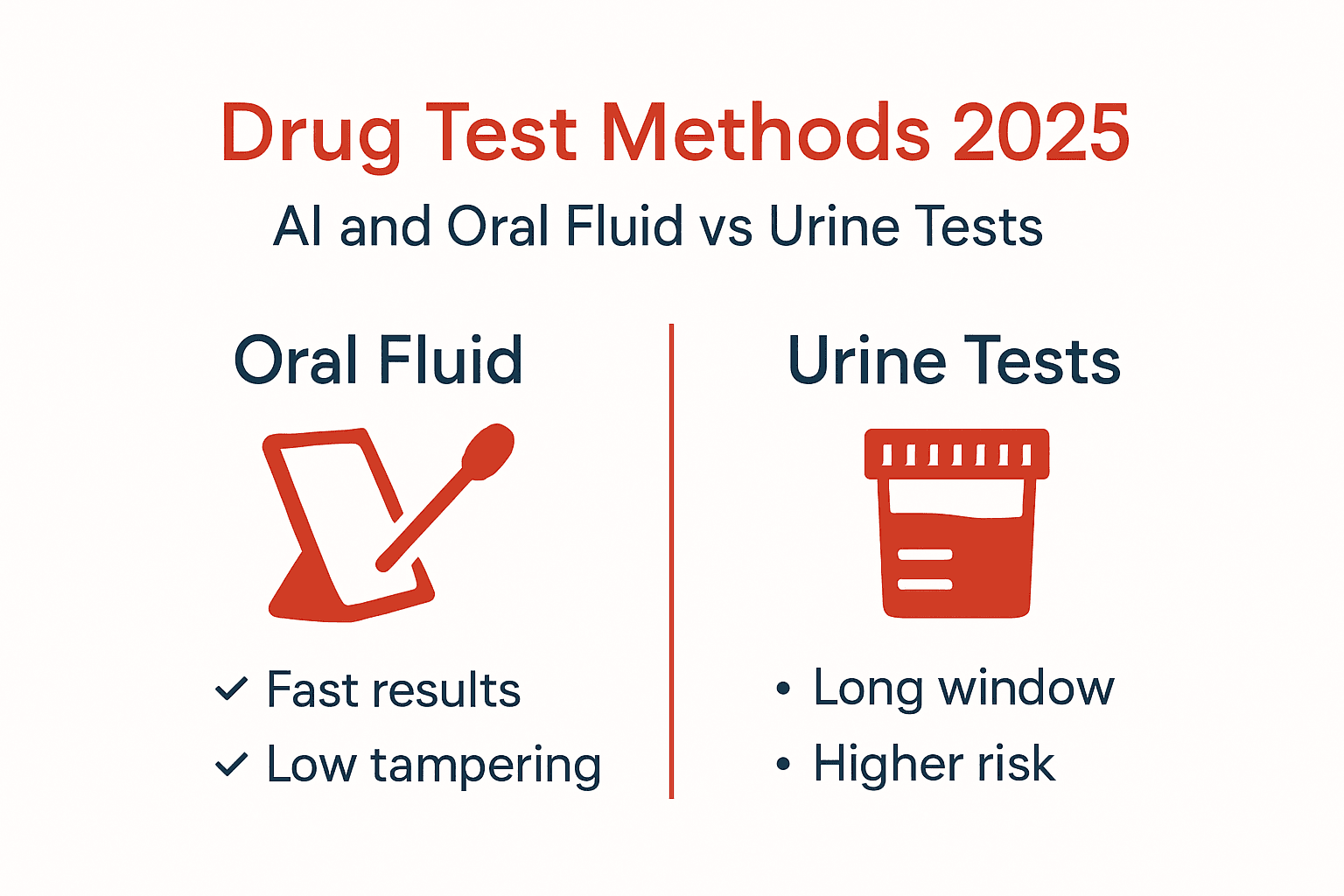
Artificial intelligence transforms how programs interpret test results. AI-driven platforms improve drug testing accuracy by analyzing patterns across thousands of tests and detecting statistical anomalies. These systems flag unusual results for human review but never replace certified medical review officers. You gain faster processing times and enhanced quality control without sacrificing the critical human judgment required for legal defensibility.
Multi-panel tests continue expanding to address emerging drug threats. Modern multi-panel drug tests screen for synthetic cannabinoids, fentanyl analogs, and designer stimulants alongside traditional substances. Rapid onsite testing delivers results in minutes, accelerating clinical and administrative decisions. The benefits of multi-panel drug tests include comprehensive coverage, cost efficiency through single-sample testing, and immediate actionable data.
Pro Tip: When selecting testing technology, prioritize methods offering both speed and accuracy. Oral fluid tests work best for detecting recent use, while urine remains optimal for longer detection windows in treatment monitoring scenarios.
| Testing Method | Detection Window | Adulteration Risk | Result Speed |
|---|---|---|---|
| Urine | 1-30 days | Moderate to High | 5-15 minutes |
| Oral Fluid | 24-48 hours | Very Low | 5-10 minutes |
| Hair Follicle | 90 days | Very Low | 2-3 days lab |
| Blood | 6-12 hours | Very Low | Hours to days |
Technology adoption requires balancing innovation with reliability. CLIA waived test cups deliver lab-quality results at the point of care, reducing turnaround times from days to minutes. Your program benefits from immediate clinical decisions, reduced costs associated with laboratory transport, and improved patient or employee experience.
Regulatory landscape and compliance challenges in 2025
Federal drug testing regulations evolved significantly in 2025, creating new compliance requirements for most programs. Federal drug testing compliance revisions effective July 7, 2025 apply to federal agency workplace programs but exclude DOT, U.S. Coast Guard, and NRC regulated programs. These changes mandate updated collection procedures, revised chain of custody protocols, and modified medical review officer responsibilities.
The Department of Transportation maintains strict standards despite broader societal shifts. DOT mandates retain a 50% random testing rate in safety-sensitive roles, sending a clear message that federal workplace safety standards supersede state marijuana legalization. This creates a challenging compliance environment where programs must navigate conflicting federal and state requirements.
Marijuana legalization complicates testing policies across jurisdictions. Some states prohibit pre-employment THC testing while others protect employer rights to maintain drug-free workplace policies. You must develop nuanced approaches that respect state laws while preserving workplace safety. Legal counsel review of your testing policies becomes essential, particularly for multi-state operations.
Employer sentiment reflects this regulatory uncertainty. Employers are divided on drug testing volume directions: 29% predict increases while 32% expect decreases influenced by legal marijuana and economic pressures. This split reveals the challenges programs face balancing compliance obligations, budget constraints, and evolving social norms.
Key compliance considerations include:
- Confirming your program category under federal regulations
- Updating collection and chain of custody procedures by July 2025 deadlines
- Developing state-specific THC testing policies where you operate
- Training staff on new federal requirements and documentation standards
- Reviewing contracts with third-party administrators for compliance alignment
“The regulatory landscape demands constant vigilance. Programs that succeed in 2025 treat compliance as an ongoing process, not a one-time checklist exercise.”
Your workplace compliance guide should address these evolving requirements systematically. Regular audits identify gaps before they become violations. Documenting policy decisions and legal reviews protects your organization if testing practices face challenge.
Emerging market trends and technology adoption
Market forces drive rapid adoption of advanced drug testing technologies. The U.S. drug screening market is expected to grow from $13.8 billion in 2024 to over $52 billion by 2034 with a 13.8% compound annual growth rate. This explosive expansion reflects increased workplace testing, healthcare screening integration, and demand for rapid point-of-care solutions.
Healthcare facilities report dramatic efficiency improvements with modern testing methods. Substance abuse treatment programs using CLIA waived multi-panel cups reduced result turnaround times from 3-5 days to under 15 minutes. This acceleration enables same-visit clinical decisions, improving patient outcomes and reducing administrative burden. Economic pressures favor technologies delivering immediate results without sacrificing accuracy.
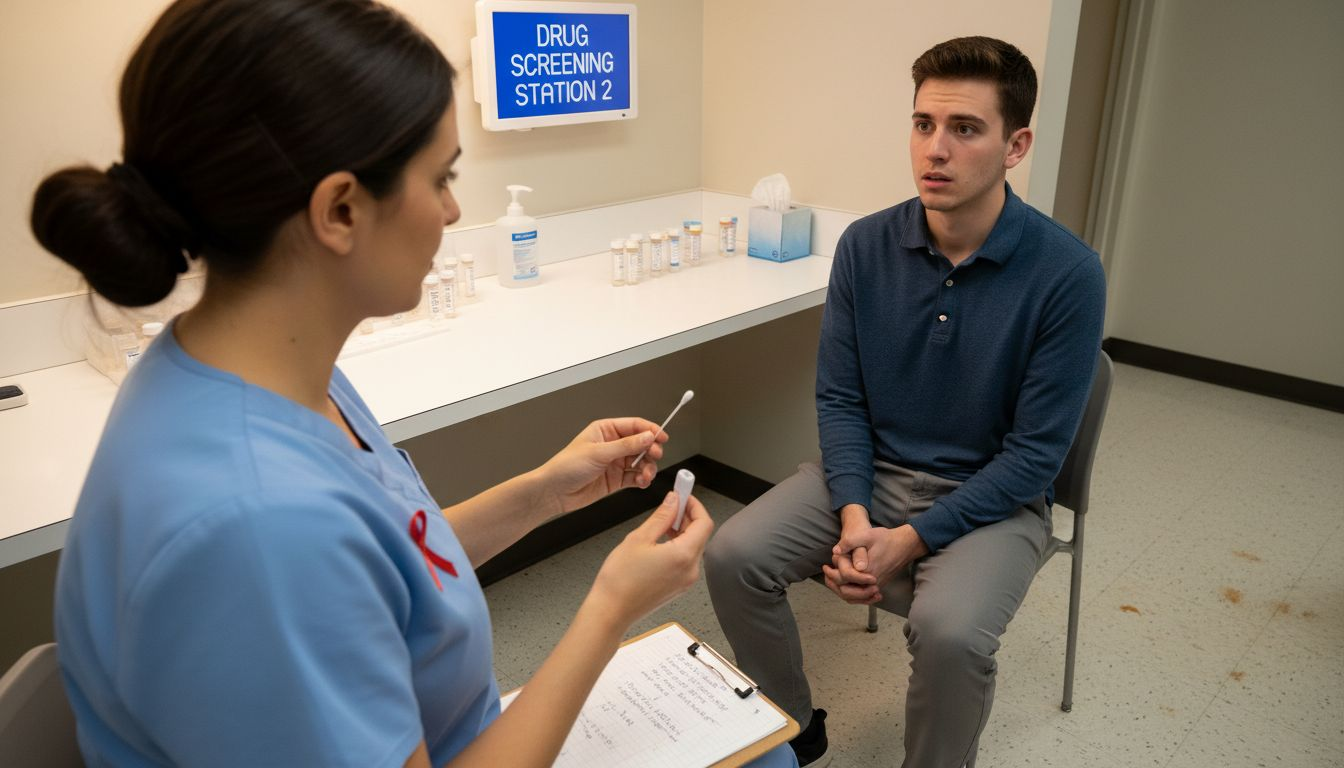
Pro Tip: Calculate your current testing costs including laboratory fees, transportation, and staff time waiting for results. Compare this total against point-of-care testing investments to identify potential savings.
| Testing Scenario | Traditional Lab | Point-of-Care | Time Savings |
|---|---|---|---|
| Pre-employment | 3-5 days | 10 minutes | 99% reduction |
| Random workplace | 2-4 days | 10 minutes | 98% reduction |
| Treatment monitoring | 1-3 days | 5-10 minutes | 97% reduction |
| Post-accident | 4-6 hours | 10 minutes | 95% reduction |
Adoption patterns reveal strategic technology selection. Programs prioritize solutions offering:
- Immediate onsite results for time-sensitive decisions
- Comprehensive panel options covering emerging drug threats
- FDA approval and CLIA waiver status ensuring quality
- Integration capabilities with electronic health records
- Cost structures supporting high-volume testing without prohibitive expenses
The shift toward rapid drug testing uses reflects broader healthcare trends emphasizing point-of-care diagnostics. You gain clinical flexibility, reduced patient wait times, and improved compliance with testing protocols. The benefits of rapid drug tests extend beyond speed to include enhanced accuracy through immediate confirmation and reduced sample handling errors.
Market growth also signals increased competition and innovation. Manufacturers develop more sensitive detection thresholds, expanded panel configurations, and user-friendly collection devices. Your program benefits from this innovation through access to better tools at competitive prices.
Common misconceptions about drug testing in 2025
Several persistent myths undermine effective drug testing program management. Clearing these misconceptions helps you make informed decisions based on current evidence rather than outdated assumptions.
Myth one claims urine testing always provides superior accuracy compared to oral fluid methods. Reality shows oral fluid testing now matches or exceeds urine accuracy for recent drug use detection. DOT approval confirms oral fluid reliability. The shorter detection window is a feature, not a limitation, for post-accident and reasonable suspicion scenarios where recent impairment matters most.
Myth two assumes marijuana legalization eliminates employer drug testing rights. State legalization does not prohibit workplace testing but creates complex compliance requirements. Federal contractors and DOT-regulated employers maintain full testing authority. Even in recreational marijuana states, employers often retain rights to enforce drug-free workplace policies, though pre-employment THC restrictions vary.
Myth three suggests AI will replace medical review officers in result interpretation. AI assists human experts by flagging patterns and anomalies but cannot replace the clinical judgment and legal knowledge medical review officers provide. Federal regulations still require certified MRO review for all non-negative results. AI serves as a powerful tool enhancing human decision-making, not replacing it.
Additional misconceptions to avoid:
- Believing all multi-panel tests detect the same substances at identical thresholds
- Assuming rapid tests sacrifice accuracy for speed when quality products meet FDA standards
- Thinking federal compliance requirements remain static rather than evolving regularly
- Expecting single testing method to suit all program needs and scenarios
Understanding these realities positions your program for success. You avoid costly mistakes rooted in outdated information and leverage current best practices. Technology and regulations evolve faster than many realize, making continuous education essential.
Practical implementation guidance for healthcare and substance abuse programs
Implementing 2025 drug testing best practices requires systematic assessment and strategic technology selection. Follow these steps to modernize your program while maintaining compliance and accuracy.
First, audit your current testing protocols against 2025 federal and state requirements. Review collection procedures, chain of custody documentation, MRO review processes, and result reporting systems. Identify gaps between your practices and new regulations effective July 2025. Document findings and prioritize compliance fixes by risk level and deadline urgency.
Second, evaluate technology options matching your specific needs. Consider your testing volume, turnaround time requirements, budget constraints, and regulatory category. Healthcare facilities benefit from rapid point-of-care solutions enabling immediate clinical decisions. Workplace programs in DOT-regulated industries must verify any new method meets federal approval standards. Substance abuse treatment programs often need frequent testing with quick results to support recovery monitoring.
Third, develop implementation timelines balancing urgency with staff training needs. Rushing technology adoption without proper training creates errors undermining accuracy and compliance. Plan phased rollouts allowing staff to master new methods before full deployment.
Pro Tip: Pilot new testing technologies with a small staff group before organization-wide implementation. This approach identifies workflow issues and training gaps in a controlled environment.
Fourth, integrate technology thoughtfully. If adopting AI analytics platforms, maintain clear protocols preserving human oversight. Train staff to interpret AI flags as decision support tools requiring expert review, not automated final determinations. Document all AI-assisted decisions showing human medical review officer involvement.
Implementation checklist:
- Complete compliance audit identifying regulatory gaps and deadlines
- Assess current testing costs including hidden expenses like result delays
- Research technology options consulting key drug testing trends 2025 resources
- Compare vendors on accuracy, compliance, cost, and support quality
- Develop staff training program covering new methods and regulations
- Create updated policies and procedures reflecting 2025 requirements
- Pilot selected technologies with feedback loops for improvement
- Roll out organization-wide with ongoing monitoring and adjustment
- Schedule quarterly compliance reviews ensuring continued adherence
- Budget for regular technology updates as innovations emerge
When choosing multi-panel tests, match panel configuration to your population’s drug use patterns. Substance abuse programs treating opioid addiction need panels detecting fentanyl and analogs. Workplace programs may prioritize traditional drugs plus synthetic cannabinoids. Customization ensures you test for relevant substances without unnecessary expense.
Maintain flexibility as regulations and technologies continue evolving. Subscribe to federal agency updates, join professional associations, and network with peers facing similar challenges. The programs succeeding long-term treat adaptation as continuous rather than episodic.
Summary and future outlook
Drug testing in 2025 underwent transformative changes driven by technological innovation and regulatory evolution. Oral fluid testing gained federal approval offering reduced adulteration risk and faster results. AI platforms enhanced accuracy through pattern analysis while preserving essential human oversight. Multi-panel tests expanded to address emerging synthetic drug threats. Federal compliance requirements updated mid-year while state marijuana laws created complex policy challenges.
Looking forward, expect continued market growth and technological advancement. The drug screening industry’s projected expansion to $52 billion by 2034 signals ongoing innovation in detection methods, panel configurations, and result analysis tools. Programs investing in adaptable infrastructure and staff training position themselves to capitalize on these advances.
Successful navigation requires balancing multiple priorities: maintaining regulatory compliance, adopting accuracy-enhancing technologies, controlling costs, and serving your specific population effectively. Regular review of testing protocols against evolving standards prevents costly gaps. Thoughtful technology selection matching your operational needs delivers better outcomes than chasing every new innovation.
The future rewards programs treating drug testing as a dynamic discipline requiring continuous learning and adaptation. Stay informed, remain flexible, and prioritize compliance alongside innovation for sustained success.
Explore advanced drug testing solutions at RapidTestCup
Navigating 2025’s complex drug testing landscape requires reliable tools meeting current federal and state regulations. RapidTestCup offers comprehensive solutions for healthcare professionals and substance abuse program administrators seeking accuracy and compliance.
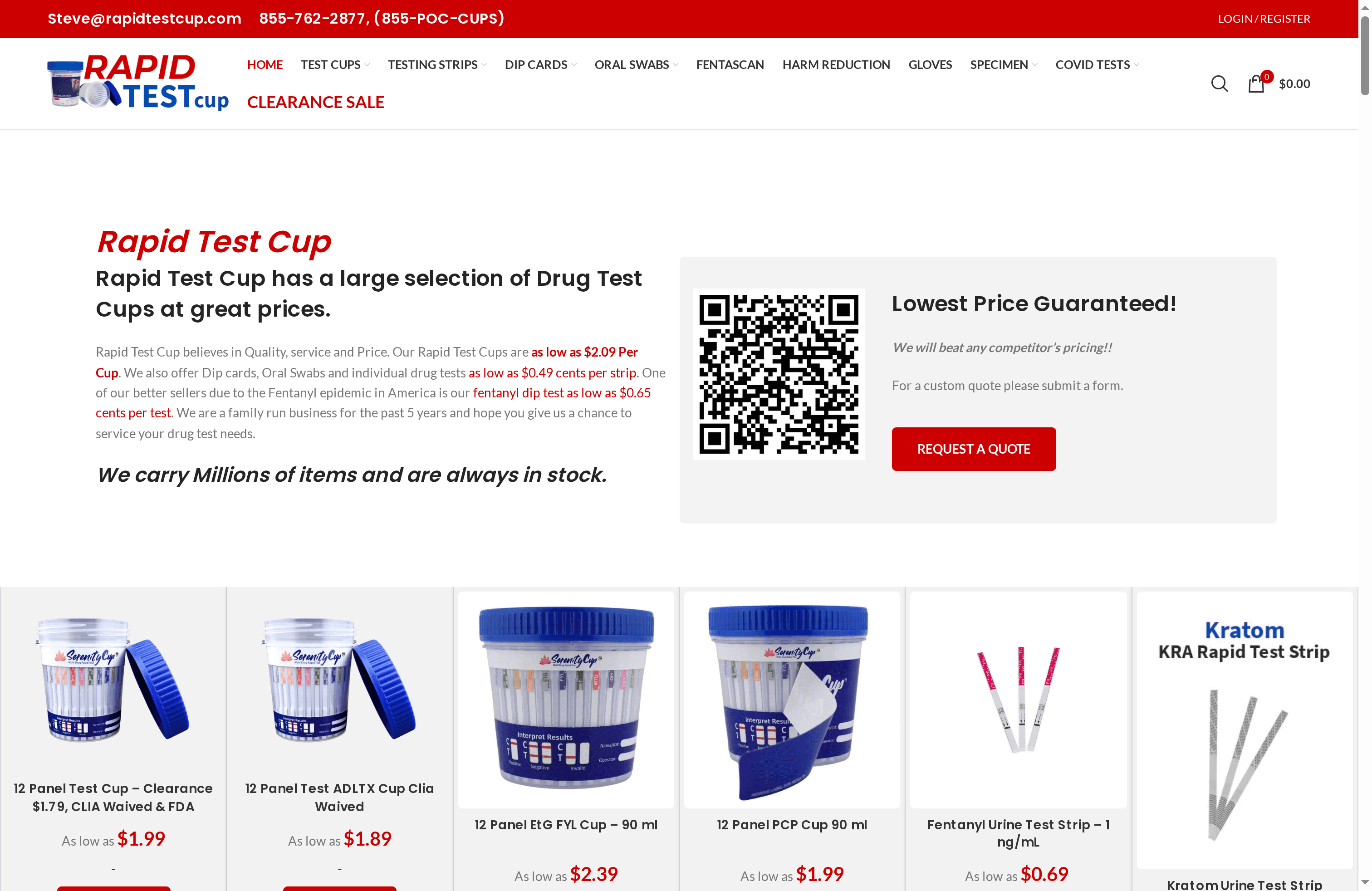
Our extensive catalog includes rapid multi-panel options like the 12 panel ADLTX cup providing comprehensive screening with adulterant detection. For targeted testing needs, the MET drug test strip delivers quick, accurate results. Programs requiring maximum coverage benefit from our 22-panel drug test with adulterants addressing emerging synthetic substances.
All products feature FDA approval, CLIA waiver status, and competitive bulk pricing supporting high-volume testing programs. Fast shipping ensures you maintain testing continuity without supply disruptions. Explore our full range of drug testing solutions designed for professional applications demanding reliability and compliance.
FAQ
What is the approved detection window for oral fluid drug testing compared to urine in 2025?
Oral fluid testing detects recent drug use within 24 to 48 hours, significantly shorter than urine’s 1 to 30 day window. This shorter timeframe reduces adulteration risks and enables faster onsite results. DOT officially recognizes oral fluid as an approved testing method for 2025.
How do state marijuana legalization laws affect workplace drug testing policies?
Employers must navigate complex federal and state legal differences where testing for THC often continues despite legalization. Some states prohibit certain pre-employment THC tests while others protect employer drug-free workplace rights. Regulations vary significantly across jurisdictions requiring customized compliance approaches.
Can artificial intelligence replace human review in drug test result interpretation?
AI assists by analyzing test patterns and detecting anomalies but does not substitute medical review officers. Human oversight remains essential for compliance and legal defensibility. Federal regulations still mandate certified MRO review for all non-negative results regardless of AI involvement.