Blog
What a 12 Panel Drug Test Checks For (and Where to Buy One)

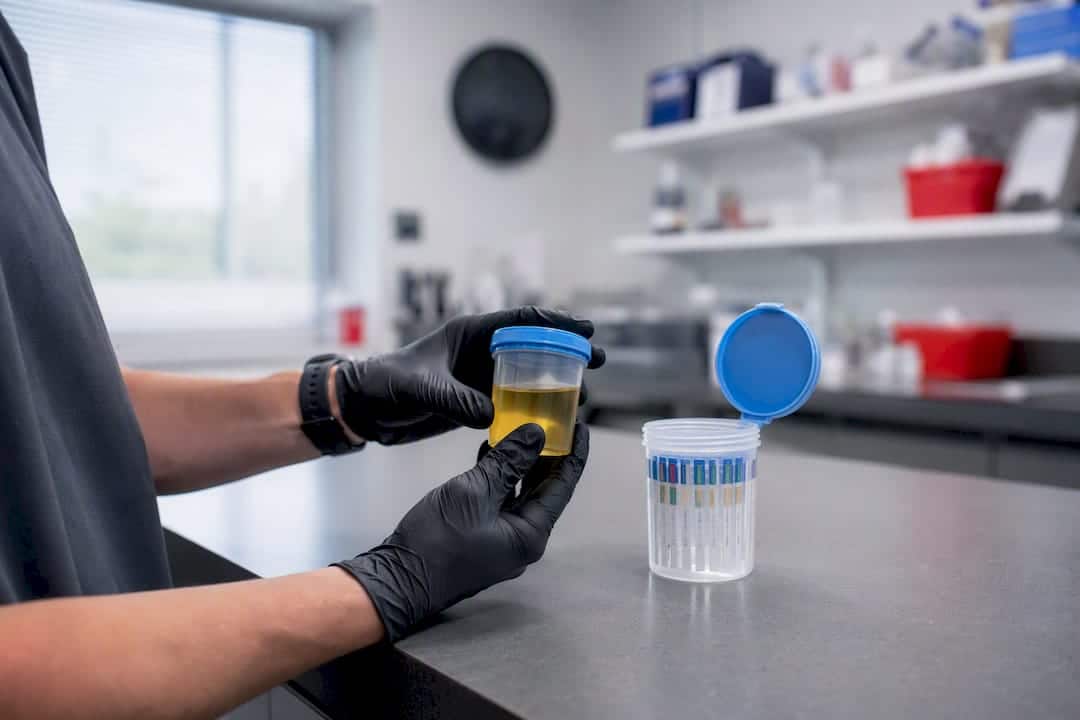
A 12 panel drug test screens a single urine specimen for 12 separate drug classes at once, typically amphetamines, methamphetamine, cocaine, THC, opiates, oxycodone, methadone, benzodiazepines, barbiturates, PCP, MDMA, and fentanyl. Most retail cups and dip cards on the market are presumptive immunoassay screens, meaning a positive result is a strong lead, not a courtroom fact; MedlinePlus notes that lab confirmation using GC‑MS or LC‑MS/MS is the definitive step. If you need one now, a CLIA‑waived retail cup like the RapidTestCup 12 Panel ADLTX Cup covers the standard panel with built‑in validity checks, and lab-based confirmation is available if a screen comes back positive.
- Speed: Cup and dip card results in about five minutes.
- Coverage: 12 analyte classes in one specimen, including fentanyl on most current configurations.
- Confirmation: Any presumptive positive should go to a lab for GC‑MS or LC‑MS/MS verification.
- Buying: CLIA‑waived cups are sold direct to employers, clinics, and individuals without a prescription.
Key Takeaways
A 12 panel drug test screens for 12 distinct drug classes in one specimen using a presumptive immunoassay method that requires lab confirmation for any positive result.
| Point | Details |
|---|---|
| Standard analyte list | Most 12 panels cover AMP, MET, COC, THC, OPI, OXY, MTD, BZO, BAR, PCP, MDMA, and FYL, though vendors sometimes substitute BUP or TRA. |
| Screens are presumptive | Immunoassay cups and strips flag likely positives; GC‑MS or LC‑MS/MS confirmation at a lab is required for definitive results. |
| Detection windows vary sharply | Stimulants and opioids clear in days, while chronic THC use can remain detectable for several weeks. |
| Validity checks matter | Temperature strips and adulterant pads catch dilution, substitution, and tampering before results are even read. |
| Recommended retail option | The RapidTestCup 12 Panel ADLTX Cup offers CLIA‑waived options, integrated validity checks, and roughly five‑minute results for workplace, clinic, and personal use. |
Table of Contents
- What Does a 12 Panel Drug Test Screen For?
- How Long Do Drugs Stay Detectable in a 12 Panel Urine Test?
- Which Test Format Should You Use: Cup, Strip, or Lab?
- How Accurate Is a 12 Panel Drug Screen?
- How Do You Pick the Right 12 Panel Kit?
- Where Should You Buy a 12 Panel Drug Test in the U.S.?
- What Specimen and Regulatory Details Should Buyers Check?
- Get a Reliable 12 Panel Drug Test Cup Without the Lab Wait
- Frequently Asked Questions
- Sources
What Does a 12 Panel Drug Test Screen For?
Every 12 panel drug test targets the same rough family of substances, though exact naming varies by manufacturer. Here’s the standard lineup and what a positive on each one usually means.
- AMP (amphetamine): Detects prescription stimulants like Adderall as well as illicit amphetamine use.
- MET (methamphetamine): Catches methamphetamine and some MDMA cross-reactivity; a separate MDMA assay is often included for specificity.
- COC (cocaine metabolite): Tests for benzoylecgonine, the metabolite the body produces after cocaine use, not cocaine itself.
- THC (cannabinoids): Detects marijuana metabolites, which linger far longer in the body than the drug’s actual effects.
- OPI (opiate panel): Flags morphine, codeine, and heroin’s signature metabolite, 6‑acetylmorphine.
- OXY (oxycodone): A separate assay from the general opiate panel because oxycodone doesn’t reliably trigger standard OPI tests.
- MTD (methadone): Screens specifically for methadone, common in opioid treatment programs and easily missed by a general opiate assay.
- BZO (benzodiazepines): Covers prescription anti-anxiety and sedative drugs like Xanax and Valium.
- BAR (barbiturates): Older sedative class, still relevant in some clinical and forensic settings.
- PCP (phencyclidine): A dissociative drug with limited legitimate medical use today, making a positive here notable.
- MDMA (ecstasy): Distinguishes recreational MDMA use from the amphetamine and methamphetamine assays.
- FYL (fentanyl): Increasingly standard because fentanyl has become a common contaminant in counterfeit pills and street drugs, not just a standalone opioid of abuse.
That twelfth slot is where manufacturers differ the most. Some vendors swap fentanyl for buprenorphine (BUP), tramadol (TRA), or occasionally tricyclic antidepressants (TCA), depending on the population being tested. A methadone clinic might want buprenorphine on the panel; a workplace program chasing the opioid crisis usually wants fentanyl. The rationale for running separate oxycodone and methadone assays alongside a general opiate panel is straightforward: a single opiate assay commonly misses these opioid subtypes, which is why serious 12‑panel configurations list three distinct opioid-related targets rather than lumping them together.
Pro Tip: Never assume two “12 panel” products test for the same 12 things. Pull up the product spec sheet before you buy, especially if you’re testing for a specific population like a pain clinic or a recovery program where the exact substitutions matter.
How Long Do Drugs Stay Detectable in a 12 Panel Urine Test?
Detection windows swing widely by drug class, and that variation is exactly why a single “how long does it stay in your system” answer doesn’t exist. NIDA’s detection summaries show stimulants and opioids typically clearing in a matter of days, while cannabinoids can linger for weeks in regular users.
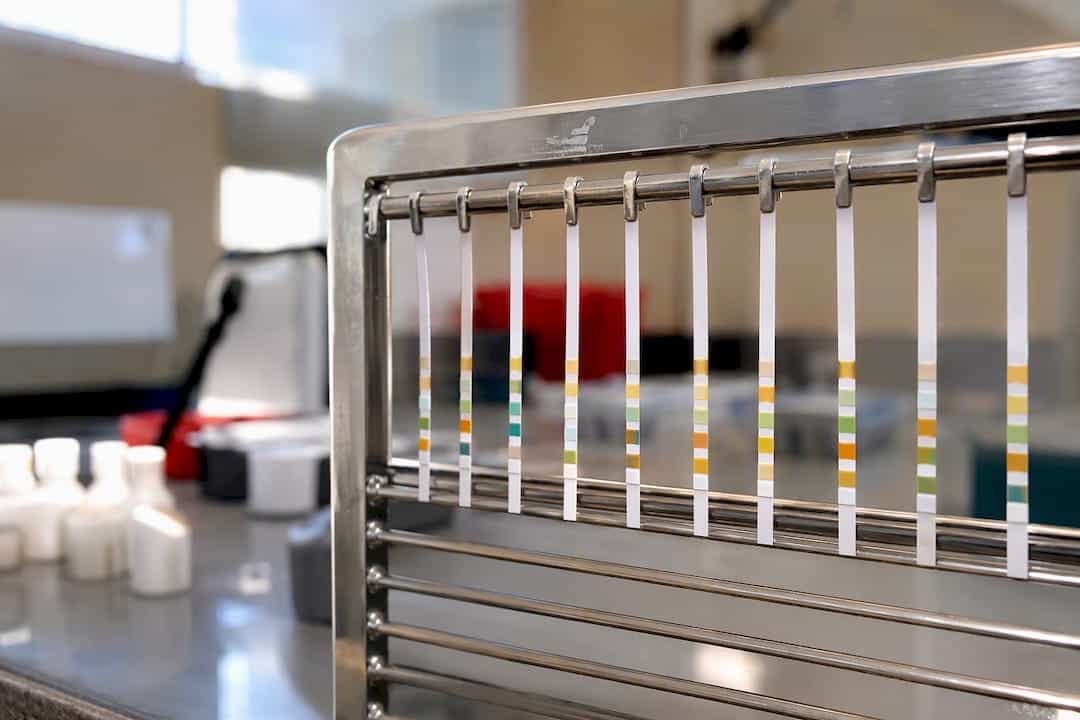
Laboratory documentation from services like LabCorp’s MedTox division confirms these initial presumptive thresholds, then reflexes any positive to LC‑MS/MS for exact quantification. That’s an important distinction: the screening cutoff tells you whether a result flags positive on the immunoassay, while the confirmatory cutoff at the lab is usually a lower, more precise threshold used to verify the finding.
A handful of variables can stretch or shrink any of these windows:
- Frequency and dose of use (chronic, heavy use extends detection substantially, especially for THC).
- Individual metabolism and hydration level.
- Specimen dilution, whether accidental or intentional.
- Concurrent use of multiple substances that affect liver metabolism.
- The sensitivity of the specific assay a manufacturer builds into its cup or strip.
For a deeper breakdown of how these variables interact, our guide on substance detection windows walks through the mechanics drug class by drug class.
Which Test Format Should You Use: Cup, Strip, or Lab?
Three formats dominate the 12 panel drug screen market, and each fits a different use case.
- Integrated urine cup: The specimen goes directly into a cup with test strips built into the lid or side panel, so there’s no transfer step. This is the standard for observed workplace collections and busy clinics because it minimizes contact with the specimen.
- Dip card or strip: A separate collection cup plus a test strip you dip in manually. Cheaper per unit, but it adds a transfer step that introduces more room for error or tampering.
- Lab-ordered 12 panel service: A phlebotomy site or collection facility sends the specimen to a laboratory, where an initial immunoassay screen is automatically followed by GC‑MS or LC‑MS/MS confirmation on any positive.
Cups win on speed and specimen integrity since built-in checks read straight off the same container the donor used. Dip cards cost less but require more careful handling. Lab services take longer, typically a day or two for results, but they arrive already confirmed and carry the strongest legal standing.
Quality cups also build in validity checks that catch tampering before you even look at the drug results:
- Temperature strip: Confirms the specimen was collected within the expected body-temperature range, catching substituted samples.
- Adulterant pads: Flag common tampering agents, including unusual pH, nitrite, and specific gravity readings that suggest dilution or additive use.
If you’re deciding between panel sizes rather than formats, our comparison of 5 panel vs. 10 panel drug tests breaks down when a smaller panel is actually the better fit.
How Accurate Is a 12 Panel Drug Screen?
Immunoassay screens are built for speed and low cost, not forensic-grade precision. Peer-reviewed reviews of drug testing immunoassays document real cross-reactivity problems: certain decongestants can trigger a false positive amphetamine result, some antibiotics have flagged false opiate positives, and a few antidepressants cross-react with the PCP assay. None of that means the test is unreliable for its intended purpose. It means a presumptive positive is a starting point, not a verdict.
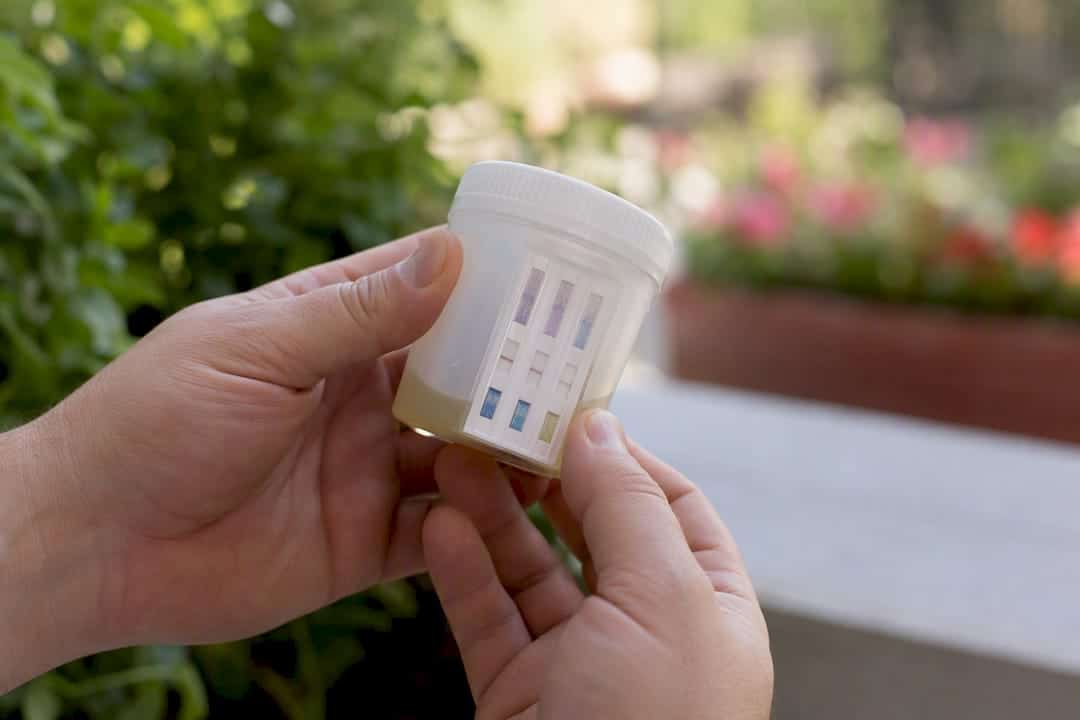
Adulteration is the other major accuracy threat. Donors sometimes dilute a specimen with water, add store-bought “cleansing” products, or substitute a clean sample entirely. A well-built cup catches most of this through the validity checks mentioned above, checking specific gravity, pH, and nitrite levels that fall outside normal human urine ranges.
The standard workflow for handling any positive looks like this:
- Presumptive positive on the immunoassay screen.
- Specimen sent to a laboratory for confirmatory testing.
- Lab runs GC‑MS or LC‑MS/MS to identify and quantify the exact substance.
- Confirmed result reported back, now suitable for employment or clinical decisions.
Pro Tip: If you’re running a workplace or clinical program, document chain of custody the moment a screen flags positive and send it for confirmation immediately. SAMHSA’s guidance for employers exists precisely because delayed or undocumented confirmation is where most testing disputes start.
How Do You Pick the Right 12 Panel Kit?
Match the product to the setting before you look at price. A personal-use screen and a defensible workplace program need different levels of rigor.
- Confirm the exact analyte list against your needs, not just the “12 panel” label.
- Check for CLIA waiver and any FDA clearance status listed on the packaging or spec sheet.
- Verify the cup or card includes built-in adulterant and temperature checks.
- Confirm there’s a clear path to lab confirmation if you get a positive.
- Check lot traceability and shelf life, especially for bulk orders.
- Compare pricing per test at your expected volume, not just the sticker price on a single unit.
For quick personal or informal screening, a retail cup with validity checks is usually sufficient. For workplace programs with legal exposure, pair a CLIA‑waived observed collection with a guaranteed confirmation path at an accredited lab. For clinical or treatment settings, the confirmation workflow matters more than the initial screen speed.
Watch for these red flags before you buy: no spec sheet available, no mention of validity or adulterant checks, vague or missing cutoff concentrations, and no stated path to laboratory confirmation. Any of those should send you looking elsewhere.
Where Should You Buy a 12 Panel Drug Test in the U.S.?
Buyers generally choose from four channels, and each serves a different need. Direct e-commerce sites that specialize in testing supplies, like Rapidtestcup, tend to offer the widest analyte variety and clear bulk pricing. Clinical and lab supply distributors serve larger institutional accounts but often require account setup and minimum orders. General retailers carry basic panels but rarely stock configurations with fentanyl or specialty analytes. Full lab services provide the strongest legal defensibility but take the longest and cost the most per test.

Before buying anywhere, run through a short checklist: does the listing show a spec sheet, does it state CLIA or FDA status clearly, what’s the shelf life, is a certificate of analysis available for the lot, and does bulk pricing actually scale down per unit at volume.
The RapidTestCup 12 Panel ADLTX Cup covers the standard 12-analyte configuration with CLIA-waived options, integrated temperature and adulterant validity checks, and results in about five minutes. It’s sold in individual and bulk pack sizes with spec sheets available for review before purchase.
What Specimen and Regulatory Details Should Buyers Check?
Specimen handling makes or breaks the reliability of any 12 panel result, regardless of how good the cup itself is.
- Observed vs. unobserved collection: Observed collections reduce substitution risk but require staff training and privacy protocols.
- Temperature window: A valid specimen typically needs to register within roughly four minutes of collection to confirm it wasn’t substituted.
- Chain of custody: Document who collected the specimen, when, and who handled it through testing.
- Storage and transport: Specimens headed for lab confirmation need proper sealing and temperature control in transit.
“CLIA-waived” means a point-of-care test has been approved under the Clinical Laboratory Improvement Amendments as simple enough and accurate enough for use outside a certified lab setting. It’s a meaningful signal, but confirm the specific claim on the actual product spec sheet rather than assuming every cup on a shelf carries it. Employers and forensic programs building formal testing policies should loop in a qualified compliance officer. This article is informational, not legal guidance.
A practical note on choosing between cups and labs
I lean toward CLIA-waived cups with built-in validity checks for routine workplace and clinic screening because they catch obvious tampering on the spot, before a specimen ever leaves the building. The practical move for any program is stocking the right pack size for your actual testing volume and having a confirmatory lab relationship already in place before you need it.
Get a Reliable 12 Panel Drug Test Cup Without the Lab Wait
If your program needs presumptive results now and a confirmation option later, RapidTestCup’s 12 Panel ADLTX Cup gives you both: an integrated cup with built-in temperature and adulterant checks, CLIA-waived options, and readable results in about five minutes, without booking a lab appointment or waiting days for a collection site slot.
Every cup ships with a spec sheet listing the exact analyte cutoffs, and bulk buyers can request lot-specific certificates of analysis for compliance records. Clinics and treatment programs ordering in volume can check current pricing tiers on the lab testing products page, and budget-conscious buyers can compare current clearance-priced 12 panel cups for smaller programs. Keep in mind that any positive screen still needs laboratory confirmation before it’s used for employment or clinical decisions. To get started, pick your pack size and order directly from the 12 Panel ADLTX Cup product page.
Frequently Asked Questions
What does a 12 panel drug test check for?
It checks for 12 drug classes in one urine specimen, typically amphetamines, methamphetamine, cocaine, THC, opiates, oxycodone, methadone, benzodiazepines, barbiturates, PCP, MDMA, and fentanyl, though the twelfth slot varies by manufacturer.
Is a 12 panel drug test cup accurate enough for employment decisions?
It’s accurate enough as a first screen, but any positive result should go to a laboratory for GC‑MS or LC‑MS/MS confirmation before it’s used for an employment or legal decision, since immunoassay screens carry known false-positive risks.
How long does THC stay detectable on a 12 panel urine test?
Occasional users typically clear THC within about three days, but chronic, heavy users can test positive for several weeks after their last use, since cannabinoids store in fat tissue and release slowly.
Does a 12 panel test include fentanyl?
Many current 12 panel configurations do include a fentanyl assay because fentanyl has become a common contaminant in counterfeit pills and street drugs, though some older or specialty panels substitute buprenorphine or tramadol instead.
Where can I buy a CLIA-waived 12 panel drug test cup?
CLIA-waived 12 panel cups are available directly through specialty retailers like RapidTestCup, which sells individual and bulk quantities with spec sheets and lot documentation for compliance-focused buyers.
Sources
- MedlinePlus — Drug testing (lab test overview)
- SAMHSA — Workplace drug testing resources
- NIDA — Fentanyl drugfacts
- NCBI PMC — Review article on drug testing immunoassays and limitations
- MedTox (LabCorp) — Drug Screen 12 with reflex confirmation (test details)