
Blog
Methamphetamine Detection Time: What to Expect by Test

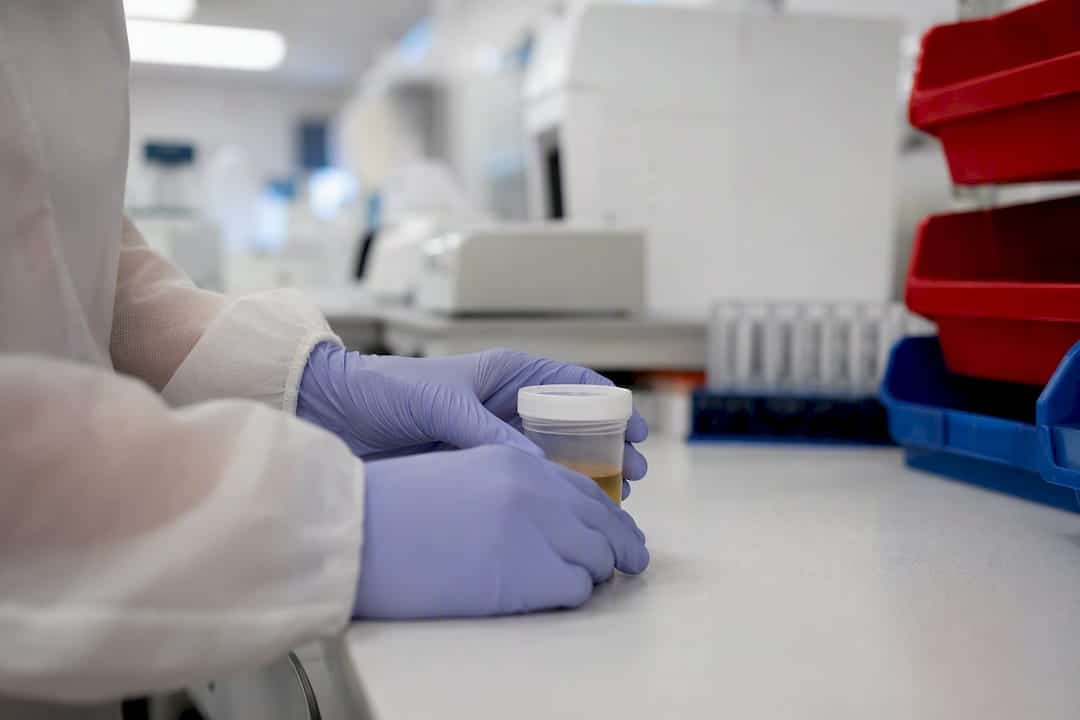
Methamphetamine shows up on a urine test for roughly 1 to 4 days after last use, on a blood test for about 1 to 3 days, on an oral fluid swab for 1 to 4 days, and on a hair test for up to about 90 days with a standard sample. Those windows move around a lot. Dose, how often someone uses, hydration, body composition, and the specific test’s cutoff level all push the numbers up or down, sometimes by days.
Here’s the quick reference:
- Urine: 1 to 4 days after last use, sometimes longer with heavy or chronic use
- Blood/plasma: roughly 1 to 3 days, shorter than urine
- Saliva/oral fluid: 1 to 4 days, best for catching very recent use
- Hair (follicle): up to approximately 90 days with a standard 1.5 inch sample
Mayo Clinic Laboratories lists a urine detection time of about 3 days at a limit of quantification of 25 ng/mL, but that figure assumes typical use. A heavy, daily user’s window can stretch noticeably past that.
Key Takeaways
Methamphetamine detection time depends on the specimen tested, with urine and hair offering longer windows than blood or saliva, and chronic use extending every window measurably.
| Point | Details |
|---|---|
| Urine window | Methamphetamine typically shows up in urine for 1 to 4 days, longer with chronic or heavy use. |
| Hair window | Standard hair samples can detect use for up to about 90 days, far longer than any fluid-based test. |
| Screen versus confirm | Immunoassay screens are presumptive only; GC-MS or LC-MS/MS confirms the specific substance before any decision. |
| Chronic use extends windows | Repeated dosing builds metabolite levels that take longer to clear than a single occasional use. |
| Point-of-care screening | Rapidtestcup’s MET strips and multi-panel cups with adulterant checks offer fast on-site screening, with lab confirmation still recommended for legal or clinical calls. |
Table of Contents
- How Long Does Meth Stay In Urine, Blood, and Other Systems?
- What Does a Drug Test Actually Detect?
- Urine Testing: Windows, Cutoffs, and Confirmatory Testing
- Blood Testing: A Short Window for Recent Use
- Saliva Testing: Fast, Noninvasive, and Good for Recent Use
- Hair Testing: Detecting Use Over Months, Not Days
- What Actually Changes Your Detection Window
- What Happens After a Positive or Negative Result?
- Choosing the Right Test Format for Your Situation
- Detection Windows Don’t Tell the Whole Recovery Story
- Get the Right Meth Screening Tool for Your Situation
- Sources
How Long Does Meth Stay In Urine, Blood, and Other Systems?
The honest answer is: it depends on what “detection” actually means for each test, and that’s where most people get confused. A urine screen isn’t just hunting for methamphetamine itself. It’s usually looking for methamphetamine and its metabolite, amphetamine, together. Blood and saliva tests skew more toward catching the parent drug during its active window. Hair testing picks up whatever got deposited into the hair shaft over weeks of growth, which is a completely different measurement than a same-day urine or blood draw.
That distinction matters practically. If you’re trying to answer “how long does meth stay in my system,” the real question is which system, and which molecule, the test is designed to catch.
What Does a Drug Test Actually Detect?
A drug test rarely detects methamphetamine and only methamphetamine. Most immunoassay urine panels flag both the parent compound and its primary metabolite, amphetamine, which the body produces as it breaks meth down in the liver. This matters because a urine result reading “positive for amphetamines” doesn’t automatically mean methamphetamine was the substance involved; it means something in that drug class triggered the screen, and confirmatory testing sorts out which one.
Methamphetamine’s chemistry adds another wrinkle. The drug exists in two mirror-image forms, or isomers: D-methamphetamine and L-methamphetamine. According to pharmacokinetic reference data from ARUP Laboratories, the D-isomer has a half-life of roughly 6 to 15 hours, while the L-isomer runs about 11 to 16 hours. L-methamphetamine, notably, is the form found in some over-the-counter nasal inhalers, which is one reason cross-reactivity conversations come up later in interpreting results.
In simple terms, the pathway looks like this: methamphetamine enters the body, the liver metabolizes a portion of it into amphetamine, and both compounds circulate and get filtered into urine, saliva, sweat, and eventually hair. The kidneys clear methamphetamine faster in acidic urine and slower in alkaline urine, which is part of why elimination is described as pH-dependent.
A few technical points worth knowing before you look at any specific window:
- Detection time is really “time until the concentration drops below the cutoff,” not “time until zero drug remains in the body”
- A lower limit of quantification (LOQ) extends the apparent detection window; a higher cutoff shortens it
- Metabolite ratios can hint at dose and timing, but they’re not precise enough to pinpoint an exact hour of use
Assay cutoffs matter more than people realize. Two labs testing the same specimen with different LOQ thresholds can report different results on the same sample, drawn on the same day.
Urine Testing: Windows, Cutoffs, and Confirmatory Testing
Urine remains the most common specimen type for both workplace and clinical methamphetamine screening, and for good reason: it’s noninvasive, inexpensive to collect, and generally offers a longer detection window than blood or saliva.
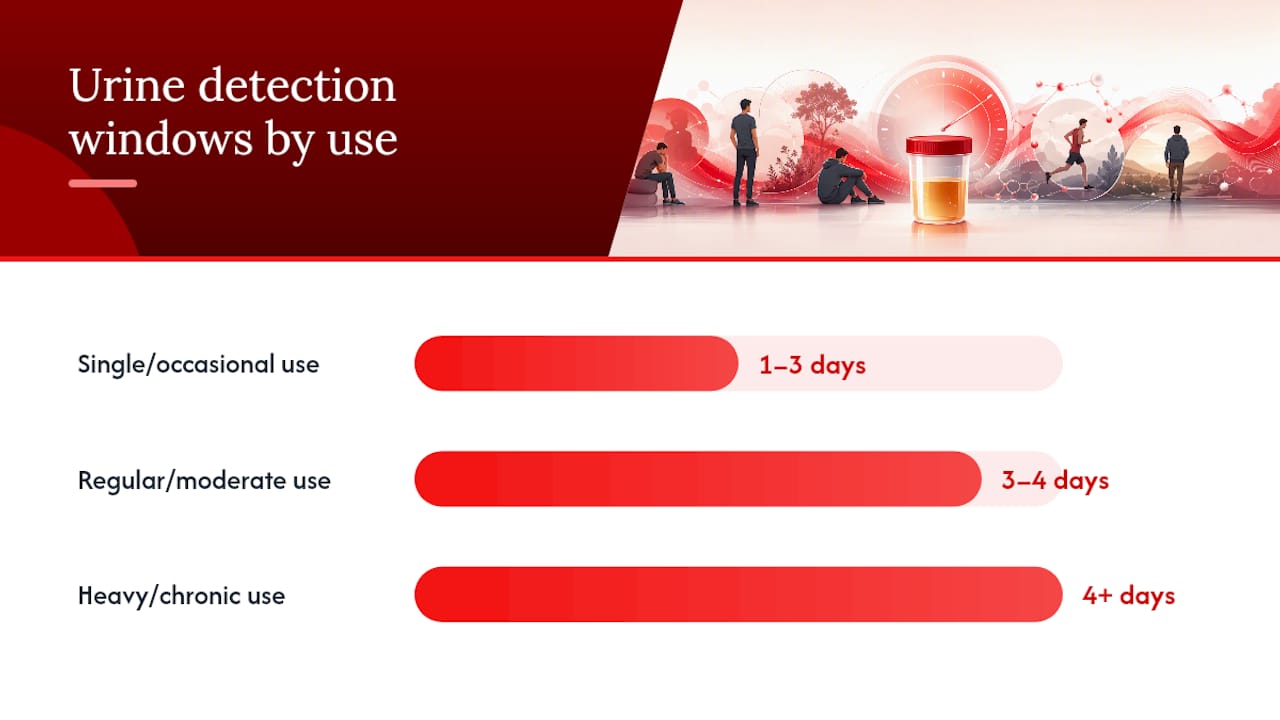
| Use Pattern | Typical Urine Detection Window | Notes |
|---|---|---|
| Single/occasional use | 1 to 3 days | Consistent with Mayo Clinic Laboratories’ approximate 3-day estimate at 25 ng/mL |
| Regular/moderate use | 3 to 4 days | Metabolite buildup slightly extends the tail end |
| Heavy/chronic use | 4 days or longer | Repeated dosing means less time for full clearance between uses |
Labs typically run two stages. The first is a presumptive immunoassay screen, a fast, inexpensive chemical reaction that flags whether a specimen is likely positive for a drug class. It’s built for speed, not certainty, which is why any nonnegative screen should go to confirmatory testing. The second stage, gas chromatography mass spectrometry (GC-MS) or liquid chromatography tandem mass spectrometry (LC-MS/MS), identifies the exact molecule present and its concentration, ruling out cross-reactive substances the screen couldn’t distinguish.
Use pattern changes the practical picture more than most people expect. A single recreational dose typically clears an immunoassay’s cutoff within 3 days. Someone using multiple times a week builds up metabolite concentrations that take the body longer to fully clear, occasionally pushing detection past the 4 day mark, a pattern documented across pharmacokinetic and toxicology research on repeated-dose elimination.
Labs also watch for specimen tampering. Excess water intake, adulterant additives, and outright substitution all get checked through creatinine levels, specific gravity, temperature at collection, and pH. A diluted or oddly-timed specimen gets flagged as invalid, not negative, which usually triggers a recollection under closer observation.
Pro Tip: Home “detox” drinks and water-loading before a test don’t reliably beat a lab. They mostly produce a diluted specimen that gets flagged and sent for retest, which just delays results and draws more scrutiny, not less.
Blood Testing: A Short Window for Recent Use
Blood, or plasma, testing gives the shortest reliable window of any common method. Methamphetamine and amphetamine typically stay detectable in blood for about 1 to 3 days after use, tracking closely with the drug’s half-life rather than with how long metabolites linger in urine.
That short window is exactly why blood testing gets chosen in specific situations rather than as a default screening tool:
- Suspected impairment at the time of an accident or arrest, where “was this person under the influence right now” matters more than “did they use in the last few days”
- Emergency medical settings, where clinicians need to know what’s actively in a patient’s system to guide treatment
- Forensic cases requiring a precise concentration measurement rather than a simple positive/negative call
Compared with urine or oral fluid, blood is more invasive to collect and more expensive to process, so it’s rarely the first choice for routine workplace or personal testing. It earns its place when timing precision outweighs convenience. A urine test might stay positive for four days after someone’s last dose; a blood draw on that same fourth day could easily come back negative, because the parent drug has already cleared plasma even though metabolites are still concentrating in urine.
Saliva Testing: Fast, Noninvasive, and Good for Recent Use
Oral fluid testing typically detects methamphetamine for about 1 to 4 days, a window comparable to blood and shorter than urine’s tail end. Research on methamphetamine disposition by Huestis and colleagues found that oral fluid concentrations track fairly closely with recent use, making saliva a useful stand-in when a same-day answer matters more than catching use from several days back.
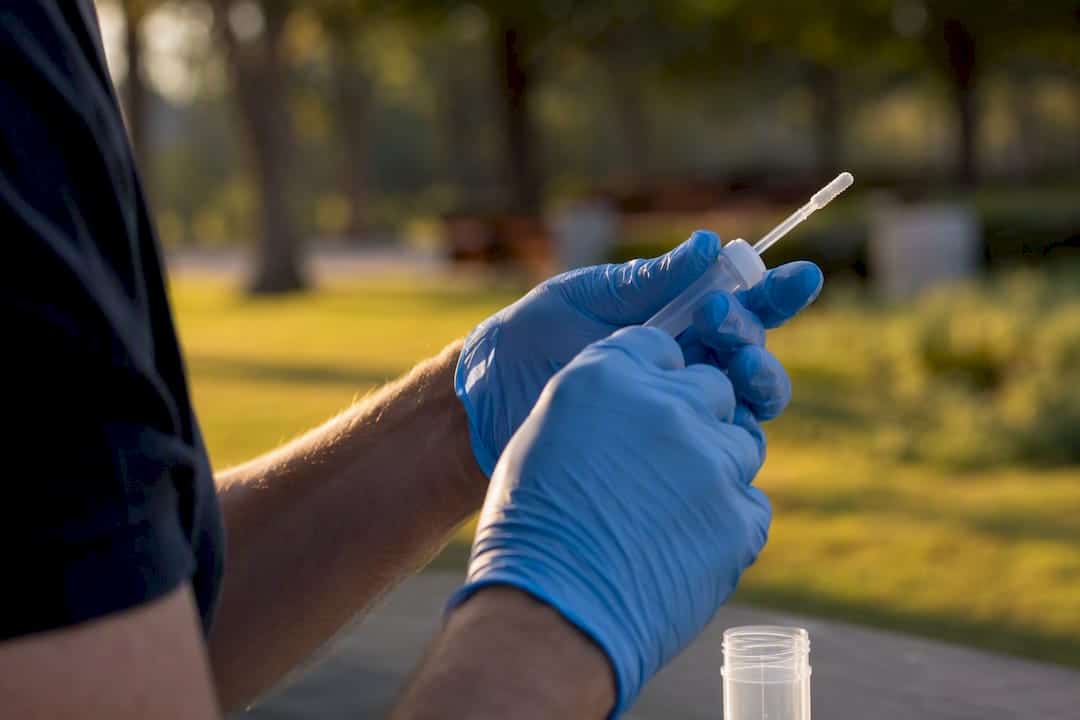
The appeal is practical. Saliva collection is noninvasive, doesn’t require a bathroom or same-sex observer, and is harder to adulterate than urine, since there’s no realistic way to dilute or substitute a sample collected directly from someone’s mouth under observation. That’s part of why oral fluid has become a go-to for roadside impairment testing and on-site workplace checks where speed and tamper-resistance matter more than a multi-day lookback.
The tradeoff is sensitivity. Analyte concentrations in saliva run lower than in urine, and results can be more sensitive to what someone ate, drank, or used as mouthwash shortly before collection. Collection device and assay design also vary more between manufacturers than they do for urine cups, so two oral fluid tests from different brands can behave slightly differently even at similar stated cutoffs.
Hair Testing: Detecting Use Over Months, Not Days
A standard 1.5 inch hair sample, roughly the amount of growth from the scalp over about 90 days, can show methamphetamine use going back up to three months. Longer hair samples extend that window further; segmental testing on a longer strand can even map out rough use patterns month by month, since hair grows at a fairly predictable rate.
Hair testing gets chosen when the question isn’t “did this person use in the last few days” but “what does this person’s use pattern look like over an extended stretch.” That makes it common in:
- Custody disputes and family court proceedings, where a longer history matters more than a snapshot
- Certain pre-employment and safety-sensitive role screenings with extended lookback requirements
- Forensic and legal investigations reconstructing a timeline of use
Hair testing has real limits worth knowing before treating a result as definitive. External contamination, drug residue on hands transferring to hair, or exposure in an environment where meth is smoked, can in rare cases produce a positive without active use, which is why labs typically wash samples before testing and may run segmental analysis to check for consistency. Hair testing also can’t pinpoint exactly when in that 90 day window use occurred; it’s a qualitative record of exposure over time, not a precise calendar.
What Actually Changes Your Detection Window
No two people clear methamphetamine at exactly the same rate, and the gap between a light user’s timeline and a heavy user’s timeline can be significant. The major variables:
- Dose and frequency: Higher doses and more frequent use mean more drug and metabolite to clear, which pushes detection windows longer
- Chronic versus single use: Repeated dosing builds up metabolite concentrations faster than the body eliminates them between uses, a pattern backed by controlled dosing studies in the toxicology literature
- Individual metabolism: Liver function, age, and genetic variation in metabolic enzymes all affect how quickly methamphetamine converts to amphetamine and clears the body
- Urine pH: More acidic urine speeds elimination; more alkaline urine slows it, which is part of why the same person can test differently on different days
- Hydration: Extra fluid intake dilutes urine concentration but doesn’t meaningfully change how fast the body actually clears the drug
- Body composition: Methamphetamine is somewhat lipophilic, meaning it can distribute into fat tissue, which can extend clearance time in people with higher body fat percentages
- Route of administration: Smoking or injecting produces a faster, more intense peak than oral use, though the total elimination timeline doesn’t change dramatically by route alone
Chronic use is the single biggest driver of extended windows. Someone who uses meth daily for weeks builds a reservoir of metabolite that takes measurably longer to fully clear than a one-time dose, which is why lab guidance consistently separates “occasional use” estimates from “chronic use” estimates rather than giving one blanket number.
Pro Tip: If you’re estimating your own timeline, anchor your expectations to your actual use pattern, not the shortest number you find online. A single dose clearing in 2 days doesn’t mean a two-week daily pattern will clear in 2 days. Chronic use routinely pushes urine and hair windows toward the longer end of the range.
What Happens After a Positive or Negative Result?
A positive result on an initial screen is a starting point, not a final answer. Here’s the practical sequence most testing programs and clinical settings follow:
- Treat the screen as presumptive. An immunoassay flags a likely positive but hasn’t identified the exact substance yet.
- Request or wait for confirmatory testing. GC-MS or LC-MS/MS analysis identifies the specific compound and rules out cross-reactive substances that can trigger a false screen.
- Disclose any relevant prescriptions. Certain prescription amphetamines and some over-the-counter medications can cross-react on an initial screen; disclosing them to a medical review officer before confirmatory testing helps sort out legitimate explanations quickly.
- Review chain-of-custody documentation. For legal or employment-related testing, the paperwork showing who collected, handled, and tested the specimen matters if a result is disputed.
- Discuss retesting timelines with the lab or program administrator if a result seems inconsistent with known use.
Common causes of a false or misleading positive include:
- Certain prescription stimulants that share structural similarity with amphetamine
- Some over-the-counter nasal decongestants and inhalers containing L-methamphetamine or related compounds
- Specimen handling errors or cross-contamination during collection
Mayo Clinic Laboratories makes the point plainly: immunoassay screens are useful for speed but aren’t built for certainty, which is exactly why confirmatory chemistry exists as the accepted standard before any legal or clinical decision gets made off a result.
Choosing the Right Test Format for Your Situation
Not every situation calls for the same test, and matching the format to the actual need saves time and money.
- Pre-employment screening: Lab-based urine testing with confirmatory backup is the standard for most employers
- Return-to-duty or ongoing monitoring: Point-of-care urine cups offer fast, repeatable checks between confirmatory lab visits
- Roadside or on-site workplace checks: Oral fluid swabs give a quick, noninvasive read on very recent use
- Legal, custody, or long-term history questions: Hair follicle testing is the only format built for a multi-month lookback
- Personal or at-home checking: A point-of-care urine cup gives a fast presumptive answer, with lab confirmation available if the stakes require certainty
When evaluating a kit, a few features separate a genuinely useful product from a bare-bones one: panel coverage for the substances actually relevant to your situation, built-in adulterant detection (checking pH, specific gravity, and oxidants), whether it’s CLIA-waived for point-of-care use versus lab-only, and a clear path to confirmatory testing if a screen comes back nonnegative.
Pro Tip: If specimen integrity matters at all, choose a cup with built-in adulterant strips rather than a bare methamphetamine-only strip. Catching dilution or tampering at collection saves you from a disputed or invalid result days later.
Detection Windows Don’t Tell the Whole Recovery Story
A negative test result means the drug has cleared below a cutoff. It doesn’t mean the neurological or behavioral effects of methamphetamine use have resolved. NIDA’s research summaries describe methamphetamine’s long-term effects on brain chemistry and cognition as separate from, and considerably slower than, the drug’s physical elimination timeline. Someone can test clean on a urine screen within days while still working through the broader effects of sustained use.
That gap matters for anyone reading detection windows for personal reasons rather than pure curiosity. A clean test is a data point about elimination, not a statement about health or recovery status. If methamphetamine use is a concern for you or someone you know, SAMHSA’s methamphetamine resources connect people to treatment options and are worth a look regardless of what any single test result shows.
Get the Right Meth Screening Tool for Your Situation
Point-of-care testing gives you an answer in minutes instead of days, which matters when you need to act on results the same day, not after a lab turnaround. Rapidtestcup carries a dedicated MET drug test strip built specifically for methamphetamine screening, along with multi-panel cups like the 12-panel ADLTX cup that include built-in adulterant checks so you catch dilution or tampering at the point of collection, not after the fact.
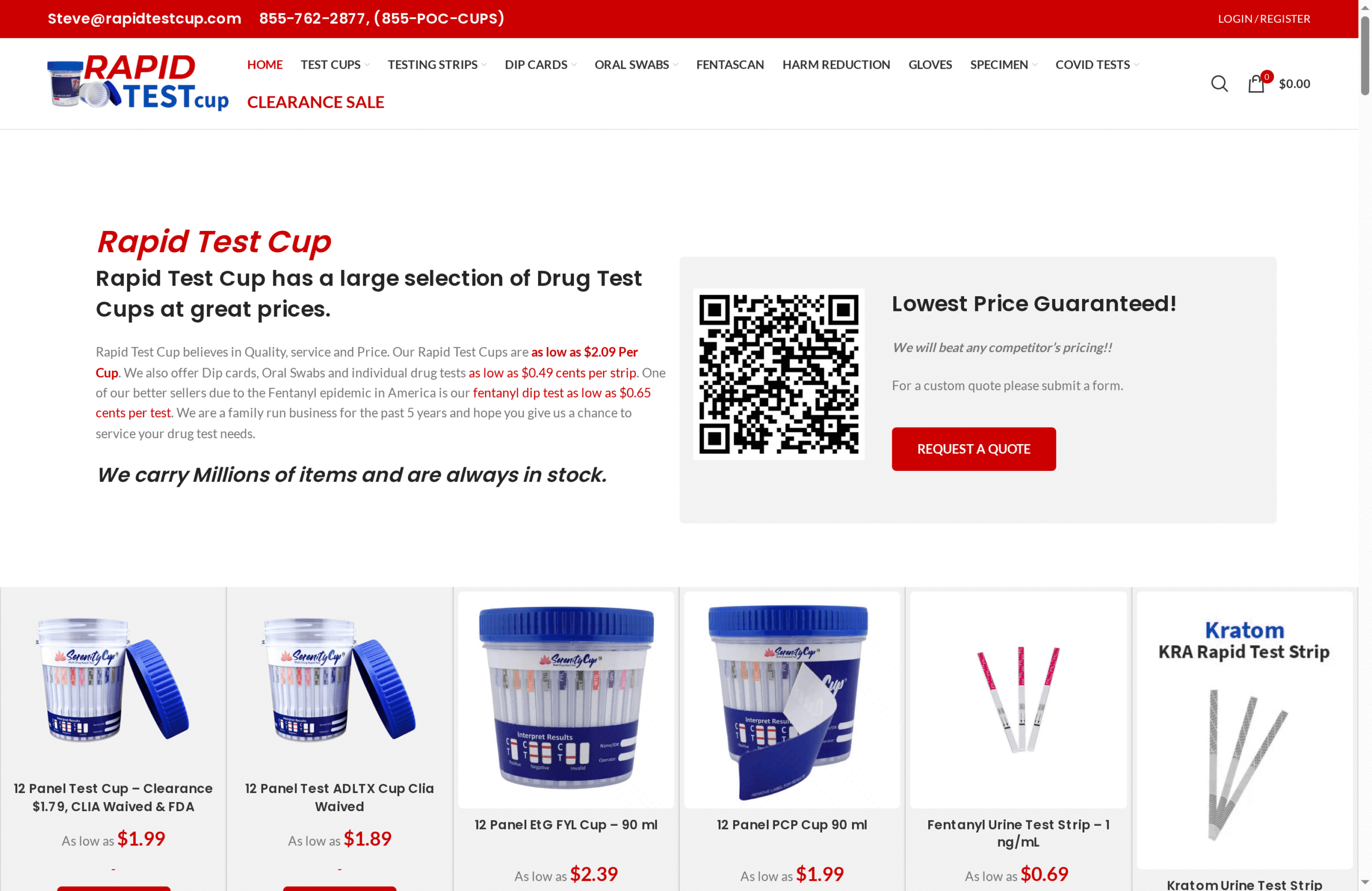
Worth saying plainly: these are screening tools, not confirmatory diagnostics. A presumptive positive or negative from a point-of-care cup should still go to a lab for GC-MS or LC-MS/MS confirmation before any legal, employment, or clinical decision rests on it. For programs that need both, browse Rapidtestcup’s multi-panel drug testing products and pick a format that matches your volume and confirmatory needs, then order in bulk if you’re screening on a recurring basis.
Sources
The detection windows and testing standards covered here draw on peer-reviewed pharmacokinetic research and federal health guidance. For deeper reading:
- Methamphetamine disposition in oral fluid, plasma, and urine — Huestis et al. (2007) — NCBI PMC
- Amphetamine-Type Stimulants (AMP) — Mayo Clinic Laboratories
- How long does meth stay in your system? — Medical News Today
- Methamphetamine — SAMHSA
This article is general information, not a substitute for advice from a qualified doctor. Consult a qualified healthcare professional about your own circumstances before acting on anything here.