

Blog
What Is Urine Adulteration? Detection and Compliance


TL;DR:
- Urine adulteration involves deliberately altering a sample to produce false negative drug test results. Federal guidelines treat adulterated samples as refusals, with serious consequences, including removal from duties and mandatory evaluations. Detecting tampering relies on specimen validity testing, which measures parameters like temperature, pH, and creatinine to ensure sample integrity.
Urine adulteration is defined as the intentional manipulation of a urine specimen to produce a false negative drug test result. The industry term is specimen adulteration, and it covers three core methods: dilution, chemical interference, and substitution. Under federal guidelines from the DOT and HHS, an adulterated sample carries the same consequences as a refused test. That classification matters because it means a tampered specimen is not treated as an inconclusive result. It is treated as a failure. Understanding how adulteration works, how labs detect it, and what happens next is the clearest path to navigating drug testing with confidence.
What is urine adulteration and why does it happen?
Specimen adulteration is any deliberate act that changes the chemical or physical properties of a urine sample before or during collection. The goal is always the same: produce a result that does not reflect the person’s actual drug use. The practice is common enough that federal regulators built detection requirements directly into workplace drug testing programs.
Why do people adulterate urine? The reasons range from fear of job loss to probation violations to custody disputes. Individuals subject to DOT-regulated testing, court-ordered screening, or employer wellness programs all face real consequences for a positive result. That pressure drives the behavior. Recognizing this context helps labs and employers design programs that are both fair and tamper-resistant.
The three broad categories of specimen adulteration are dilution, chemical adulteration, and substitution. Each targets a different weakness in the testing process. Each also leaves a detectable trace, which is why specimen validity testing exists as a mandatory layer of quality control.
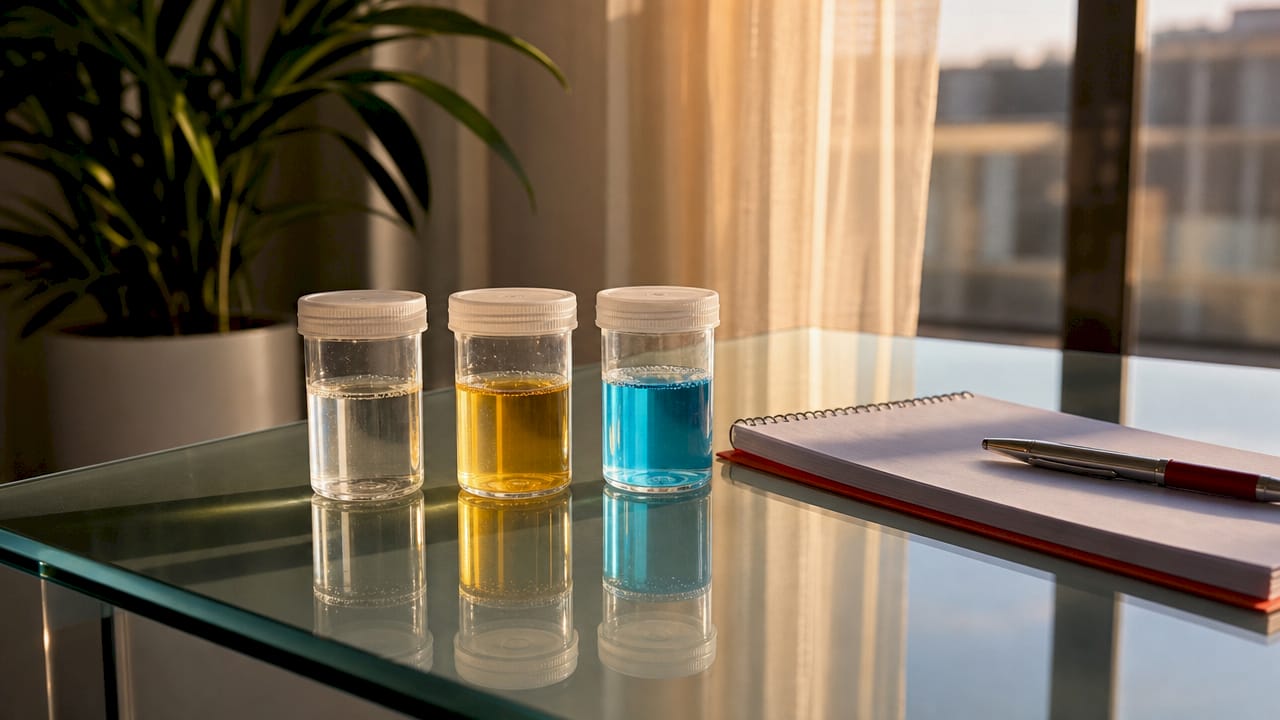
Common methods used to adulterate a urine sample
Dilution
Dilution is the most common form of urine test tampering. Internal dilution happens when a person drinks excessive amounts of water before the test, lowering the concentration of drug metabolites in the urine. External dilution involves adding water directly to the collected sample, either from a sink or a hidden container. Both methods reduce creatinine concentration and specific gravity, which are two values labs measure to confirm a valid specimen.
Chemical adulteration
Chemical adulteration methods involve adding household or commercial substances to the sample after collection. Common adulterants include bleach, vinegar, table salt, and oxidizing agents. These substances interfere with the immunoassay chemistry that drug test strips rely on. The problem is that each of these chemicals leaves its own chemical signature in the urine, one that standard specimen validity panels are designed to catch.
Substitution
Substitution means replacing the collected urine entirely. A person may use synthetic urine or a sample from another individual. Synthetic urine products are formulated to mimic real urine’s pH, creatinine, and color. However, they often fail temperature checks and lack the full biomarker profile of genuine human urine.
| Method | Common examples | Primary detection challenge |
|---|---|---|
| Internal dilution | Excessive water intake | Borderline creatinine and specific gravity values |
| External dilution | Adding water to sample | Temperature drop, low specific gravity |
| Chemical adulteration | Bleach, vinegar, salt, oxidants | Abnormal pH, nitrite levels, oxidant markers |
| Substitution | Synthetic urine, donor sample | Temperature mismatch, missing biomarkers |
Pro Tip: If you are subject to a supervised collection, the collector is required to check the sample temperature within 4 minutes. A reading outside the 90°F–100°F range triggers an immediate retest under direct observation.
How do labs detect specimen adulteration?
Specimen validity testing parameters
Specimen Validity Testing (SVT) is the formal protocol laboratories use to confirm that a urine sample is genuine and unaltered. SVT is not optional for federally regulated programs. The DOT and HHS mandate it as a condition of reporting any negative result. A negative result without SVT is not considered credible under federal standards.
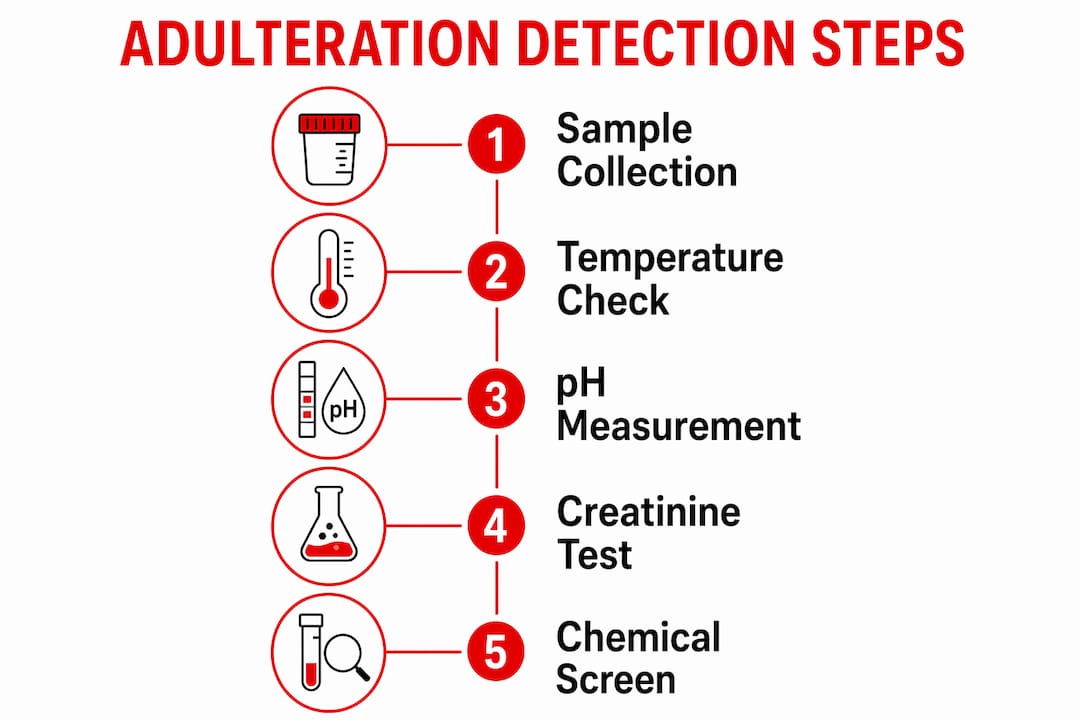
The core SVT parameters are:
- Temperature: Checked within 4 minutes of collection; valid range is 90°F–100°F
- pH: Valid range is 4.0–9.0; values outside this range indicate chemical interference
- Creatinine concentration: Low values signal dilution or substitution
- Specific gravity: Measures urine density; abnormal readings confirm dilution
- Nitrites: Elevated levels indicate commercial adulterant products
- Glutaraldehyde: A chemical preservative sometimes added to mask drug metabolites
- Oxidants and pyridinium chlorochromate (PCC): Oxidizing agents that destroy immunoassay antibodies
Each parameter targets a specific tampering method. A sample that fails any one of these checks is flagged for further review.
Confirmatory testing and legal defensibility
A single screening result is not enough to classify a specimen as adulterated. Confirmatory testing requires a second, independent analysis performed on a separate portion of the same specimen using a different analytical method. This two-step process protects both the lab and the individual being tested. It prevents false accusations and ensures the finding holds up in a legal or employment dispute.
Emerging detection technologies
Research into proteomic biomarkers shows that oxidative adulterants like hydrogen peroxide leave distinctive peptide changes in urine proteins. These changes are detectable through mass spectrometry, even when traditional immunoassay panels return normal readings. This technology increases detection accuracy for sophisticated adulterants that were previously difficult to identify.
Pro Tip: Labs that run multiple validity checks simultaneously catch more tampering attempts than those relying on a single parameter. Timing matters too. The 4-minute temperature window is the first line of defense and the hardest for substitution attempts to beat.
What are the consequences of an adulterated urine test?
An adulterated specimen result carries the same regulatory weight as a positive drug test under DOT and HHS guidelines. The sample is classified as a refusal to test. That classification triggers the same disciplinary and compliance consequences as a confirmed positive result.
For employees in safety-sensitive roles, such as commercial drivers, pilots, or railroad workers, a refusal designation means immediate removal from duty. Return-to-duty protocols require evaluation by a Substance Abuse Professional (SAP) and a negative return-to-duty test before the individual can resume work. The effects of urine adulteration on a career in a regulated industry are serious and long-lasting.
“Specimen validity testing is essential quality control mandated by agencies like the DOT and HHS to ensure credible negative drug test results, not merely to catch cheating.” — WFQA, Specimen Validity Testing
Dilution occupies a different category. A negative dilute classification means the sample tested negative for drugs but showed abnormally low creatinine or specific gravity. Employers and program administrators may authorize a second collection under direct observation. This retesting protocol exists because moderate dilution is sometimes accidental, caused by high fluid intake before the test rather than deliberate tampering.
Workplace policies vary, but most treat a confirmed adulteration finding as grounds for termination or program removal. The rationale is straightforward. A person who tampers with a specimen has demonstrated intent to deceive, regardless of what the underlying drug test might have shown.
How to protect your urine sample integrity before a test
Maintaining urine sample integrity starts before you ever enter the collection site. Most unintentional validity failures come from poor preparation, not deliberate tampering.
- Hydrate normally. Drink water as you would on any regular day. Excessive fluid intake in the hours before a test lowers creatinine and specific gravity, which can trigger a negative dilute classification even when no drugs are present.
- Avoid unusual supplements. High-dose vitamin C, certain herbal teas, and some over-the-counter medications can alter urine pH. Check with a healthcare provider if you take anything regularly.
- Do not add anything to the sample. Even a small amount of soap or hand sanitizer from a contaminated collection cup can shift pH readings enough to flag the specimen.
- Cooperate fully with the collector. The collection process follows a defined protocol. Understand what to expect by reviewing a urine collection guide before your appointment.
- Disclose medications. Certain prescription drugs affect urine chemistry. Disclosing them to the Medical Review Officer (MRO) before the test prevents a valid medication from being misread as tampering.
Pro Tip: If your sample is flagged as negative dilute and you are asked to retest, the second collection will likely be observed directly. Knowing this in advance removes the stress of surprise and helps you prepare properly.
Key Takeaways
Urine adulteration is a deliberate act that undermines drug test accuracy, and federal protocols from the DOT and HHS treat it as a refusal to test with the same consequences as a positive result.
| Point | Details |
|---|---|
| Definition of adulteration | Intentional manipulation of a urine sample through dilution, chemical interference, or substitution to produce a false negative. |
| Federal classification | DOT and HHS treat adulterated specimens as a refusal to test, equal in consequence to a confirmed positive. |
| SVT parameters | Labs check temperature, pH, creatinine, specific gravity, nitrites, and oxidants to confirm sample validity. |
| Confirmatory testing | Every adulteration finding requires a second independent test on a separate specimen aliquot for legal defensibility. |
| Negative dilute nuance | Dilute specimens may trigger a retest rather than immediate failure, depending on the degree of dilution and employer policy. |
Why specimen validity testing is the real story here
Most people focus on the drug test itself. The validity check is the part that actually determines whether the result means anything.
I’ve spent years watching labs and employers treat SVT as a secondary concern, something tacked on to catch cheaters. That framing misses the point entirely. SVT is quality control. It exists to confirm that a negative result is genuinely negative, not just the product of a diluted or chemically altered sample. Without it, a clean result is meaningless.
The sophistication of adulteration attempts has increased steadily. Synthetic urine formulations have improved. Oxidizing agents have become harder to detect with older immunoassay panels. The response from the scientific community, including proteomic biomarker research that identifies peptide changes caused by oxidative adulterants, shows that detection technology is keeping pace. But only programs that invest in current testing protocols benefit from those advances.
The other side of this that rarely gets discussed is education. Many people who receive a negative dilute result did not intend to tamper with anything. They drank too much water because they were nervous. A clear explanation of what normal hydration looks like before a test would prevent a significant number of retest requests. Transparent communication between testing programs and the people they test produces better outcomes for everyone.
— Justin
Testing products that detect adulteration at the point of collection
Labs and compliance programs that want to catch tampering before a sample ever reaches the analyzer need cups with built-in validity checks.
Rapidtestcup carries a full line of multi-panel drug test cups with integrated adulterant detection, including the 18 Panel Drug Test Cup with adulterants, which screens for oxidants, nitrites, pH, specific gravity, creatinine, and glutaraldehyde alongside the drug panels. For programs that need a broader catalog of lab-grade options, the top drug testing products for labs page covers CLIA-waived, FDA-approved cups and strips built for professional and forensic use. Both options ship fast and are available in bulk quantities for high-volume programs.
FAQ
What is the definition of urine adulteration?
Urine adulteration is the intentional alteration of a urine specimen through dilution, chemical interference, or substitution to produce a false negative drug test result. Federal agencies like the DOT classify it as a refusal to test.
How do labs detect urine test tampering?
Labs use Specimen Validity Testing (SVT) to measure temperature, pH, creatinine, specific gravity, nitrites, glutaraldehyde, and oxidants. Any reading outside accepted ranges flags the sample for confirmatory testing.
What happens if your urine sample is adulterated?
An adulterated result is treated as a refusal to test under DOT and HHS guidelines, carrying the same consequences as a positive result, including removal from duty and mandatory SAP evaluation for safety-sensitive workers.
What is a negative dilute result?
A negative dilute result means the sample tested negative for drugs but showed abnormally low creatinine or specific gravity. Employers may require a second, directly observed collection to confirm the result.
Can adulteration be detected at the collection site?
Yes. Temperature must be checked within 4 minutes of collection, and the valid range is 90°F–100°F. Multi-panel cups with built-in adulteration test strips can screen for common chemical adulterants on the spot before the sample is sent to a lab.