Blog
Examples of Specimen Collection Tools: 2026 Clinical Guide


Specimen collection tools are specialized devices designed to retrieve biological samples safely and accurately for diagnostic testing. The right tool depends entirely on the specimen type. Here are the core categories and examples you will encounter across clinical and laboratory settings:
- Blood: Safety-engineered venipuncture needles, needle holders, vacuum collection tubes (color-coded by additive), and micro-collection tubes for capillary draws
- Urine: Sterile wide-mouth containers (30–100 mL), vacuum-transfer urine tubes, and midstream clean-catch kits
- Respiratory: Sterile polyester-tipped swabs with aluminum or plastic shafts, viral transport media tubes containing sterile medium, and suction catheters for nasopharyngeal aspirates
- Stool and other fluids: Fecal collection containers, cerebrospinal fluid (CSF) tubes, and skin biopsy punches for specialized diagnostics
Every tool category carries built-in safety features, from retractable needle sheaths to sterile individual packaging, because mismatched or substandard equipment directly compromises sample integrity before the specimen ever reaches the analyzer.
Blood collection devices: what you need to know
Safety-engineered needles with auto-shielding or retractable sheaths are the clinical standard for venipuncture, meeting OSHA requirements for occupational exposure prevention. They pair with needle holders that stabilize the draw and allow single-handed activation of the safety mechanism after use.
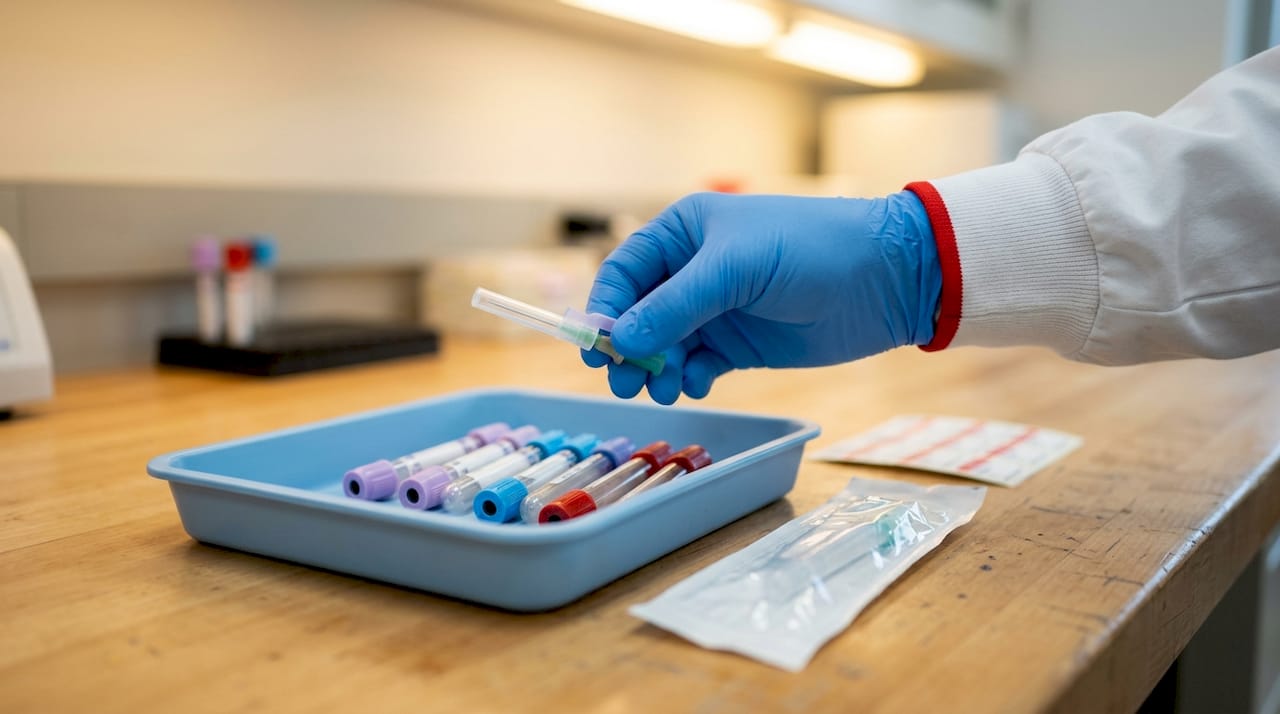
Vacuum blood collection tubes are the workhorse of the blood draw. Color-coded stoppers signal the additive inside, for example EDTA anticoagulant for complete blood counts, no additive or gel separator for serum chemistry, sodium citrate for coagulation studies, heparin for plasma chemistry panels, and sodium fluoride/potassium oxalate for glucose and lactate tests.
Micro-collection tubes, sometimes called capillary collection tubes, serve patients where standard venipuncture is impractical: neonates, elderly patients with fragile veins, and anyone requiring only a small sample volume. A lancet punctures the fingertip or heel, and the capillary tube draws blood by surface tension.
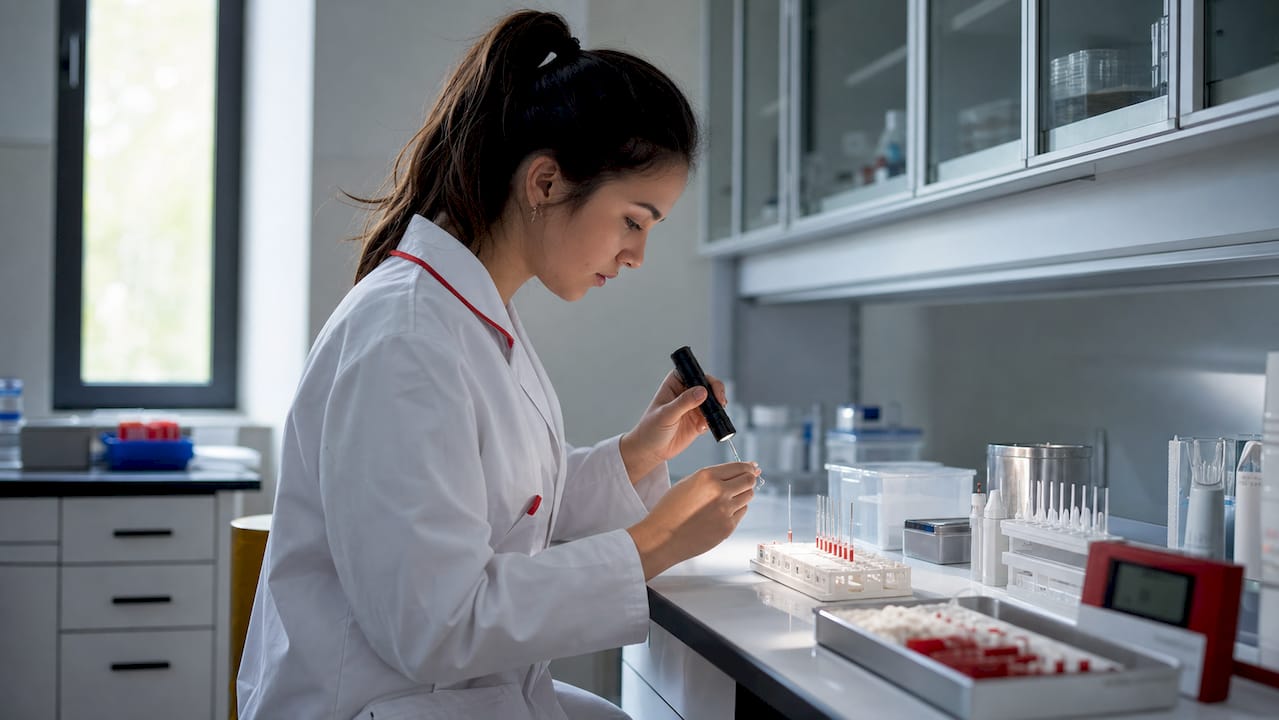
Pro Tip: Before inserting the needle, tap the tube firmly to dislodge any residual additive powder clinging to the stopper. Aspirating that powder into the vein causes patient discomfort and can contaminate the sample.
After the draw, invert tubes gently 4–8 times with a slow rolling motion. Skipping this step allows micro-clots to form, which invalidates results and forces a redraw.
Urine collection devices and collection best practices
Sterile wide-mouth containers are the standard starting point for urine collection. The 30–100 mL range covers routine urinalysis through culture volumes, and the wide opening reduces spillage and external contamination during collection. Containers arrive individually wrapped and sterile, which matters for culture specimens where any environmental bacteria will grow.
Key device types for urine collection include:
- Sterile disposable containers: 30–100 mL, wide-mouth, individually wrapped
- Vacuum-transfer urine tubes: Transfer urine from the collection cup directly into analyzer-compatible tubes without opening the container
- Pediatric urine collection bags: Adhesive-backed bags applied to the perineum for infants who cannot void on command
- 24-hour collection jugs: Large-volume containers (typically 3 liters) with preservative for timed studies
The midstream clean-catch method is the gold standard for minimizing contamination. The patient voids the first stream to flush urethral bacteria, then collects the midstream portion. For drug testing applications specifically, tamper-evident seals and temperature strips on the collection cup add a chain-of-custody layer that routine urinalysis containers do not provide.
Pro Tip: Always verify that the container’s sterile seal is intact before handing it to the patient. A compromised seal on a culture specimen means the result is unreliable before collection even begins.
Swabs and respiratory specimen collection tools
Respiratory specimen collection depends heavily on swab material and shaft composition. Polyester-tipped swabs with aluminum or plastic shafts are validated for molecular testing. Cotton swabs and wood-shafted swabs contain compounds that inhibit PCR reactions, producing false-negative results on influenza, COVID-19, and other molecular assays.
The CDC’s influenza specimen collection guidance specifies the following tools by procedure:
- Nasopharyngeal (NP) swab: Sterile Dacron or nylon swab plus a viral transport media tube containing 1–3 mL of sterile medium
- Deep nasal swab: Sterile polyester swab (aluminum or plastic shaft), inserted to the turbinates and rotated against the nasal wall
- Combined nasal and throat swab: Two dry polyester swabs placed into the same viral transport media tube
- Nasopharyngeal aspirate: Sterile suction catheter attached to suction apparatus, with the specimen transferred into a viral transport media tube
- Nasopharyngeal wash: Same catheter setup with sterile normal saline instilled before suctioning
NP swabs deliver the highest viral yield for influenza, but they cannot be used in infants and are often poorly tolerated by older patients. In those cases, a combined nasal and throat swab or an aspirate provides an acceptable alternative.
Key features and quality standards of specimen collection tools
The Clinical and Laboratory Standards Institute (CLSI) sets the benchmarks that govern how collection devices are designed, validated, and used in the United States. Adherence to CLSI guidelines, alongside OSHA’s bloodborne pathogen standards, is not optional in accredited labs. Following standardized CLSI procedures directly reduces Quantity Not Sufficient (QNS) errors and contamination, which are the leading causes of diagnostic inaccuracies.
Features to evaluate when selecting specimen collection equipment:
- Safety mechanisms: Auto-shielding or retractable needle sheaths for sharps injury prevention
- Color-coding: Tube stopper colors standardized by additive type for draw-order compliance
- Sterile packaging: Individual wrapping with tamper-evident seals for culture-grade specimens
- Volume calibration: Vacuum tubes calibrated for predetermined fill volumes to maintain correct blood-to-additive ratios
- Material compatibility: Swab shaft and tip materials validated for the intended assay (PCR, culture, antigen)
- Ergonomic design: Needle holders and lancet devices designed for single-handed operation to reduce fumbling during the draw
Ergonomics matter more than they get credit for. A device that requires two hands to activate its safety mechanism is a device that often does not get activated under time pressure.
Best practices and expert insights for specimen collection tool selection
Standardized operating procedures (SOPs) are the foundation. Every specimen type has a defined collection sequence, and deviating from it, even slightly, introduces preanalytical error. Pre-assembled specimen collection kits bundle the correct tools, labels, and instructions for a specific test, which removes the guesswork and reduces the chance of grabbing the wrong tube or swab in a busy clinical environment.
Timing is a variable that gets overlooked. Blood cultures and respiratory specimens must be collected before antibiotic administration. Once antibiotics are on board, bacterial load drops rapidly, and a culture that should be positive comes back negative. The same principle applies to sputum specimens collected for tuberculosis testing.
Pro Tip: For pediatric patients, use micro-collection tubes and heel-stick lancets sized for neonates. For geriatric patients with fragile or rolling veins, a butterfly needle set with a smaller gauge (23G) gives you more control and reduces hematoma risk.
Expert consensus from clinical laboratory professionals points to patient population assessment as a step that should happen before any device is selected. A 72-year-old with chronic venous insufficiency and a 6-month-old infant require completely different tools, even for the same test. Choosing based on habit rather than patient physiology is one of the more common sources of collection failure.
What is specimen collection, and why does it matter?
Specimen collection is the process of obtaining biological material from a patient for laboratory analysis. The specimen type, blood, urine, respiratory secretion, stool, CSF, or tissue, determines which devices are appropriate and which protocols apply. Every step from patient preparation through transport affects the result the lab produces.
Preanalytical errors, those occurring before the sample reaches the analyzer, account for the majority of laboratory mistakes. The tools used during collection are the first line of defense against those errors. A correctly selected, properly used collection device preserves the specimen’s biological state from the moment of collection through processing.
For clinical lab professionals, understanding the full range of available devices is not academic. It directly determines whether a result is reportable or whether a patient needs to return for a repeat collection.
Specialized specimen collection tools for microbiology and infectious diseases
Microbiology demands a higher level of specificity from collection devices than routine chemistry or hematology. The goal is to collect the pathogen, not the surrounding flora, and to keep it viable through transport.
Key specialized tools include:
- Anaerobic transport vials: Sealed vials with oxygen-free medium for anaerobic bacterial cultures from wound or abscess specimens
- Fungal culture swabs: Swabs with specific transport media formulated to support fungal viability
- Blood culture bottles (aerobic and anaerobic): Bottles containing enriched broth inoculated directly at the bedside to maximize recovery of bloodstream pathogens
- Lumbar puncture (LP) kits: Sterile spinal needles, manometers, and collection tubes for CSF analysis in suspected meningitis
- Stool culture containers: Wide-mouth containers with or without preservative, plus Cary-Blair transport medium for enteric pathogen preservation
- Skin biopsy punches: Disposable circular blades (typically 3–6 mm) for dermatological and fungal skin specimen collection
For integrated clinical diagnostics in complex infectious disease workups, the choice of transport medium is as consequential as the swab itself. Cary-Blair medium preserves enteric pathogens for up to 48 hours; standard swab transport does not.
Storage and transport containers for collected specimens
Once collected, a specimen’s integrity depends on the container and conditions used during transport. The wrong temperature, an inadequate seal, or an incompatible container material can degrade analytes before the sample is even accessioned.
Standard transport and storage containers by specimen type:
| Specimen | Container | Temperature | Notes |
|---|---|---|---|
| Whole blood (EDTA) | Lavender-top vacuum tube | — | Do not freeze |
| Serum | Red/gold-top SST tube | — or frozen | Centrifuge before storage |
| Urine (culture) | Sterile wide-mouth cup | — | Process within 24 hours |
| Respiratory (viral) | Viral transport media tube | — (short term) or frozen | Avoid repeated freeze-thaw |
| Blood cultures | Aerobic/anaerobic bottles | Room temperature | Incubate promptly |
| CSF | Sterile polypropylene tubes | Room temperature | Process immediately |
| Stool (enteric culture) | Cary-Blair transport vial | — | Stable up to 48 hours |
Biohazard bags with absorbent material are required for all specimen transport under federal regulations. For Category A infectious substances (such as specimens from confirmed Ebola or monkeypox cases), UN2814-compliant triple packaging is mandatory.
Latest innovations and technologies in specimen collection tools
The most consequential shift in specimen collection over the past few years is the move toward self-collection and at-home sampling. Validated anterior nasal swab kits, saliva collection tubes, and dried blood spot (DBS) cards now allow patients to collect specimens outside clinical settings, with results comparable to professionally collected samples for many analytes.
Other advances worth tracking in 2026:
- Integrated temperature indicators: Transport containers with built-in time-temperature monitors that flag cold-chain breaks before the specimen reaches the lab
- RFID-labeled collection tubes: Tubes with embedded RFID chips that link directly to the laboratory information system (LIS), eliminating manual label transcription errors
- Microfluidic capillary devices: Finger-stick devices that collect and process microliter-volume blood samples on a single cartridge, reducing the need for venipuncture in point-of-care settings
- Flocked swabs: Swabs with perpendicular nylon fibers that release up to 10 times more cellular material than standard fiber-wound swabs, improving sensitivity for molecular assays
- Liquid-based cytology (LBC) vials: Preservative-filled vials for cervical and respiratory cytology that extend specimen viability and allow multiple test types from a single collection
Flocked swabs are already the default in many high-volume molecular labs because the yield difference over conventional swabs is consistent and measurable. If your lab is still using fiber-wound swabs for PCR-based respiratory panels, that is a straightforward upgrade with a direct impact on sensitivity.
Rapidtestcup has the specimen collection supplies your lab needs
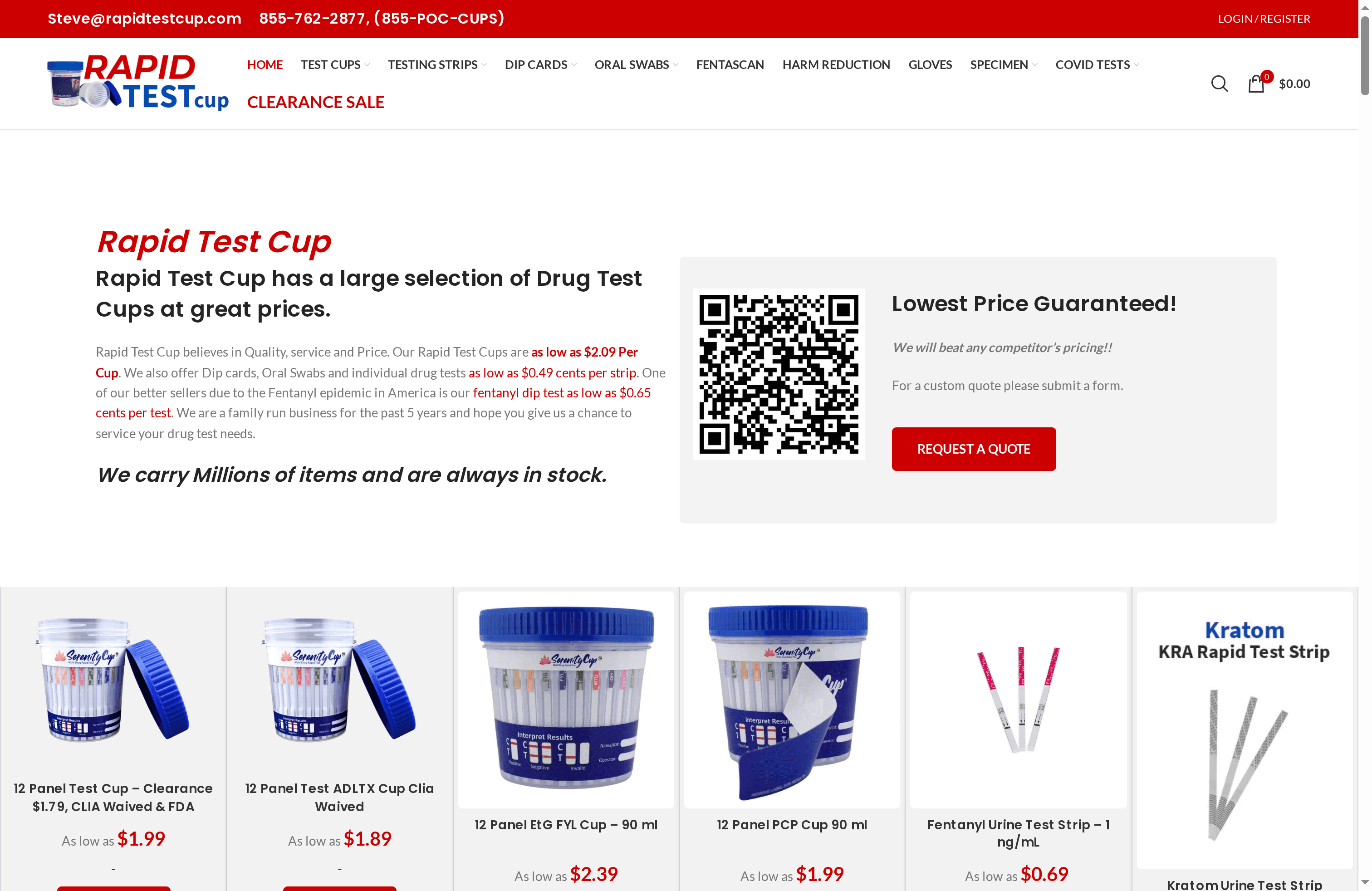
Rapidtestcup carries a full range of urine specimen cups and drug testing supplies built for clinical, forensic, and workplace testing programs. Every product is CLIA waived and FDA-approved, with bulk pricing and fast shipping for labs that cannot afford delays.
Whether you need multi-panel drug test cups, urine dip cards, or test strips for specific analytes, Rapidtestcup’s catalog covers the full spectrum. Browse the top drug testing products for labs to find the right fit for your program, or request a custom quote for large-volume orders.
Key Takeaways
Matching the collection device to the specimen type and patient population is the single most controllable factor in preventing preanalytical error.
| Point | Details |
|---|---|
| Tool-to-specimen matching | Blood, urine, and respiratory specimens each require distinct, validated devices to preserve diagnostic integrity. |
| Tube inversion after blood draw | Invert tubes 4–8 times immediately after collection to prevent micro-clots that invalidate results. |
| Swab material for molecular tests | Polyester swabs with aluminum or plastic shafts are required for PCR; cotton and wood shafts inhibit the reaction. |
| Pre-assembled kits reduce errors | Bundled kits with correct tools, labels, and instructions lower contamination risk and support SOP compliance. |
| Collect before antibiotics | Blood cultures and respiratory specimens must be collected before antibiotic administration to avoid false negatives. |