Blog
Why random drug testing matters for workplace safety in 2026


Substance use in the workplace costs employers roughly $81 billion annually in lost productivity, accidents, and turnover. Random drug testing offers a proactive approach to reduce these losses while protecting employees and maintaining compliance. This guide explores how random drug testing enhances safety, supports legal requirements, and delivers measurable business value for employers.
Table of Contents
- The Impact Of Random Drug Testing On Workplace Safety And Productivity
- Legal And Regulatory Compliance: Ensuring Your Testing Program Meets 2026 Standards
- Designing And Implementing A Fair, Effective Random Drug Testing Program
- Addressing Common Concerns And Maximizing The Value Of Random Drug Testing
- Explore Effective Drug Testing Products And Solutions
Key takeaways
| Point | Details |
|---|---|
| Safety improvement | Random drug testing reduces workplace accidents by up to 50% and creates safer environments. |
| Productivity gains | Companies implementing testing see 10 to 25% productivity increases and lower absenteeism. |
| Compliance support | Programs help meet OSHA, DOT, and MSHA requirements while reducing legal exposure. |
| Cost savings | Lower insurance premiums and reduced liability claims improve bottom line results. |
| Fair implementation | Scientifically valid selection processes and transparent policies ensure legal defensibility. |
The impact of random drug testing on workplace safety and productivity
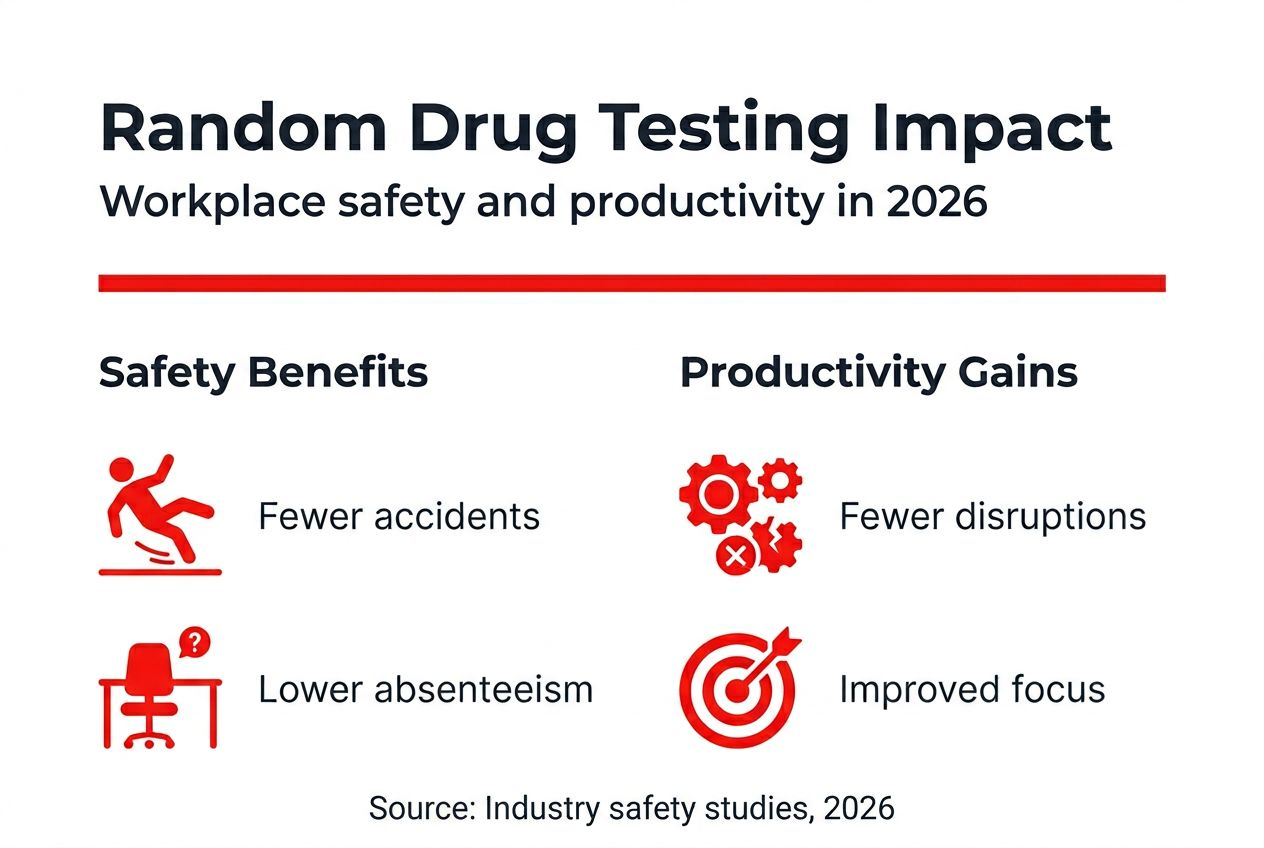
Random drug testing programs significantly reduce workplace accidents and create measurable improvements across multiple business metrics. The unpredictability of random testing serves as both a deterrent and an early detection system for substance use issues.
Workplace accident rates drop dramatically when organizations implement structured testing programs. Studies show reductions of up to 50% in incidents involving injuries, equipment damage, and near misses. Manufacturing, construction, and transportation sectors experience the most substantial safety improvements due to their high risk environments.
Employee absenteeism falls by 10 to 20% in companies with active drug testing policies. Workers struggling with substance use typically miss more workdays, arrive late frequently, and demonstrate inconsistent performance. Random testing identifies these issues early, allowing intervention before patterns escalate.
Productivity increases of 10 to 25% commonly follow testing program implementation. Employees working under the influence exhibit slower reaction times, impaired judgment, and decreased focus. Removing impairment from the workplace naturally improves output quality and efficiency.
Pro Tip: Combine random drug testing with employee assistance programs and wellness initiatives for maximum impact. Providing support alongside testing demonstrates commitment to employee wellbeing while maintaining safety standards.
The data clearly demonstrates testing effectiveness:
| Metric | Improvement Range | Industries Most Affected |
|---|---|---|
| Accident reduction | 40 to 50% | Manufacturing, construction, transportation |
| Absenteeism decline | 10 to 20% | All sectors, especially blue collar |
| Productivity gain | 10 to 25% | Safety sensitive roles, operations |
| Turnover reduction | 15 to 30% | High stress, physical labor positions |
Safety sensitive industries benefit most from workplace drug testing benefits because the consequences of impairment carry higher stakes. A forklift operator, commercial driver, or equipment technician under the influence poses immediate danger to themselves and coworkers.
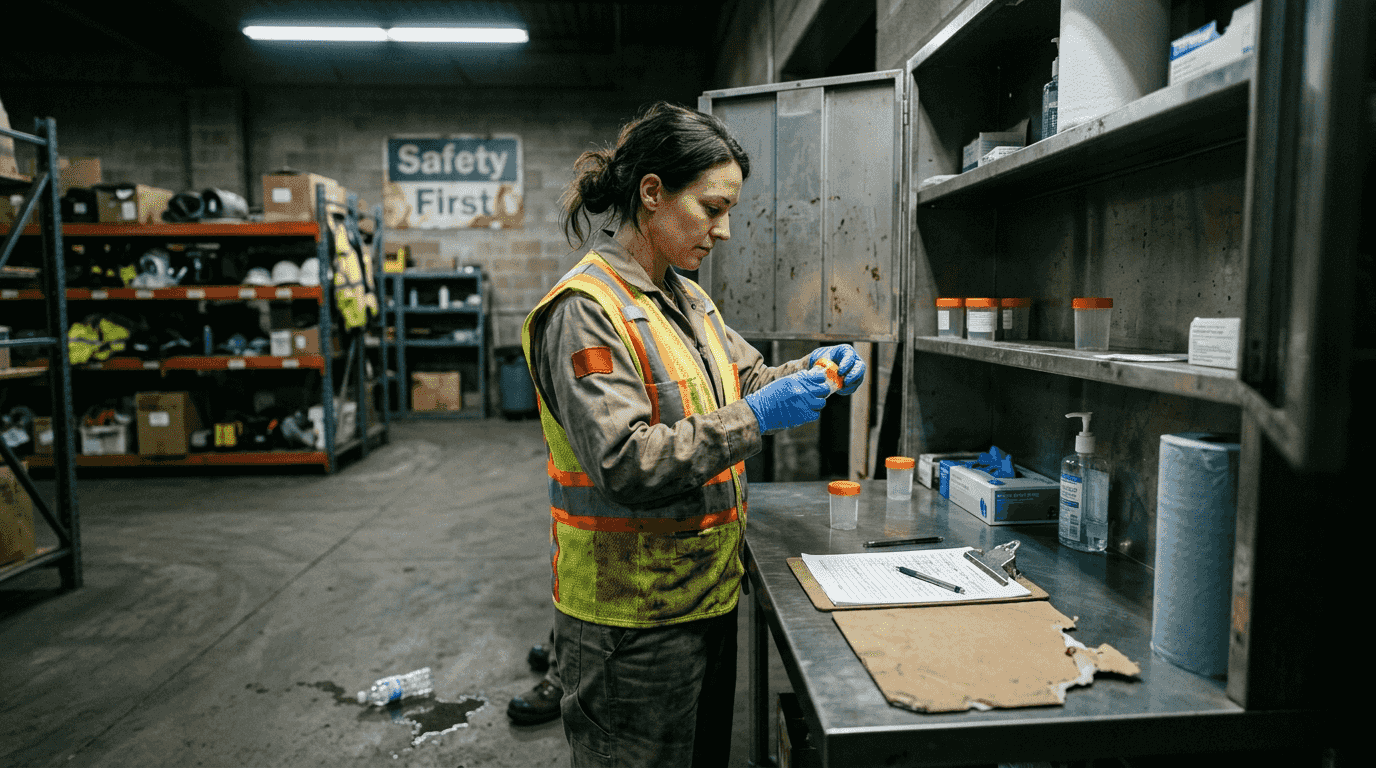
Beyond safety metrics, testing programs improve workplace culture. Employees appreciate working alongside sober colleagues they can trust. Management gains confidence in workforce reliability. Insurance carriers recognize reduced risk profiles with lower workplace drug testing safety data premiums reflecting this reality.
Key factors driving these improvements:
- Deterrent effect reduces substance use among tested populations
- Early detection enables intervention before major incidents occur
- Consistent enforcement creates accountability across all employee levels
- Documented policies provide clear expectations and consequences
Legal and regulatory compliance: ensuring your testing program meets 2026 standards
Implementing random drug testing helps ensure legal and regulatory compliance, protecting organizations from penalties while meeting evolving federal and state requirements. Compliance failures expose companies to substantial financial and reputational risks.
Multiple federal agencies mandate drug testing for specific industries and roles. The Department of Transportation requires random testing for safety sensitive transportation workers at minimum annual rates of 50% for controlled substances and 10% for alcohol. The Mine Safety and Health Administration enforces similar requirements for mining operations. OSHA increasingly scrutinizes workplace safety programs, making drug testing a critical component of due diligence.
Non compliance consequences extend beyond direct fines. Organizations face potential lawsuits from injured employees, criminal investigations following serious accidents, contract disqualification for federal work, and damaged reputation affecting recruitment and business development. A single incident involving an impaired employee can trigger investigations revealing systematic compliance failures.
“Employers who fail to implement compliant drug testing programs face significant legal exposure, including OSHA citations, wrongful termination claims, and liability for accidents involving impaired workers. Random testing, when properly administered, provides the strongest legal defense by demonstrating proactive safety commitment.”
Random testing specifically meets legal fairness standards because selection occurs through scientifically valid, unpredictable processes rather than targeting individuals based on suspicion or bias. This approach withstands legal challenges better than other testing methods while maintaining deterrent effectiveness.
Critical compliance elements include:
- Following drug testing compliance guide standards for your industry
- Maintaining detailed documentation of selection procedures and results
- Using certified laboratories and qualified medical review officers
- Respecting employee privacy and confidentiality throughout the process
- Applying policies consistently across all employee levels and departments
State laws add another compliance layer. Some states restrict testing circumstances, require specific notification procedures, or mandate rehabilitation opportunities before termination. California, for example, limits testing to situations with reasonable suspicion unless federal regulations require random testing. New York recently expanded employee protections around cannabis use.
Consulting legal considerations drug testing experts ensures your program aligns with both federal mandates and state specific requirements. Employment attorneys, certified medical review officers, and compliance specialists provide guidance on policy development, employee communication, and result interpretation.
The DOT drug testing regulations framework offers a proven model even for non regulated employers. Its structured approach to random selection, testing procedures, and result management has withstood decades of legal scrutiny.
Designing and implementing a fair, effective random drug testing program
Random drug testing programs should employ scientifically valid, unpredictable selection processes and involve professional oversight to ensure fairness and legal defensibility. Proper program design balances safety objectives with employee rights.
Establishing an effective program requires systematic planning:
- Define your testing pool clearly, typically including all employees in safety sensitive positions or company wide populations depending on industry requirements and organizational needs.
- Develop comprehensive written policies outlining testing frequency, substances tested, consequences for positive results, and employee rights throughout the process.
- Select a qualified testing provider offering certified collection services, laboratory analysis, and medical review officer support to ensure accuracy and compliance.
- Implement computer generated random selection using specialized software that maintains true randomness and creates auditable selection records for compliance documentation.
- Train supervisors and HR staff on proper procedures, confidentiality requirements, and appropriate responses to testing situations to maintain program integrity.
- Communicate policies transparently to employees through orientations, handbook acknowledgments, and regular reminders to ensure understanding and acceptance.
- Monitor program effectiveness through metrics tracking participation rates, positive result trends, and safety incident correlation to demonstrate value and identify improvement opportunities.
Pro Tip: Update your testing pool quarterly and vary testing days and times to maintain unpredictability. Patterns in timing or frequency undermine deterrent effectiveness and create legal vulnerabilities.
Testing method selection significantly impacts program effectiveness and acceptance:
| Method | Detection Window | Collection Process | Advantages | Limitations |
|---|---|---|---|---|
| Urine | 1 to 4 days (most drugs) | Observed or unobserved | Industry standard, cost effective, proven reliability | Privacy concerns, potential adulteration |
| Saliva | 24 to 48 hours | Direct observation | Non invasive, difficult to cheat, detects recent use | Shorter detection window limits effectiveness |
| Hair | 90 days | Small sample collection | Longest detection, no sample substitution | Higher cost, cannot detect very recent use |
Most employers choose urine testing for its balance of detection window, cost, and legal acceptance. The random drug testing workflow guide provides detailed procedures for each method.
Confidentiality and privacy and drug testing explained protections must be embedded throughout your program. Test results qualify as protected medical information under various privacy laws. Only designated personnel should access results, and storage must meet security standards.
Chain of custody procedures prevent sample tampering and ensure legal defensibility. Each sample transfer requires documented handoffs from employee to collector to laboratory to medical review officer. Any break in this chain compromises result validity.
Medical review officers play a critical role by reviewing positive results, interviewing employees about legitimate medication use, and determining whether results indicate prohibited substance use versus prescribed treatment. This step protects employees with valid prescriptions while maintaining program integrity.
Collection site professionalism impacts employee acceptance. Use qualified collectors who understand proper procedures, treat employees respectfully, and maintain appropriate facility standards. Poor collection experiences damage morale and create unnecessary resistance.
The SAMHSA drug testing procedures provide detailed technical guidance on specimen collection, laboratory operations, and quality assurance meeting federal standards applicable across industries.
Addressing common concerns and maximizing the value of random drug testing
Balancing workplace safety with employee rights remains a key challenge as employers implement testing programs. Thoughtful approaches address legitimate concerns while maintaining program effectiveness.
Privacy concerns top employee objections to drug testing. The observed urine collection process feels invasive to many workers. Organizations can address this by using direct observation only when federal regulations require it, otherwise allowing unobserved collection with temperature verification and other validity checks. Saliva testing offers a less invasive alternative gaining popularity.
False positive concerns worry both employees and employers. Modern laboratory testing minimizes this risk through two stage processes. Initial immunoassay screening identifies potential positives, then confirmatory testing using gas chromatography mass spectrometry provides definitive results. Medical review officer evaluation adds another verification layer, ensuring legitimate prescription use doesn’t result in wrongful termination.
Effectiveness questions arise when substances like cannabis remain detectable long after impairment ends. Current testing technology identifies presence, not active impairment. This creates challenges as cannabis legalization expands. Some employers shift focus to impairment testing using cognitive assessments, though these methods lack the established legal framework of traditional drug testing.
Transparent communication maximizes program acceptance. Explain testing rationale clearly, emphasizing safety protection for all employees rather than punitive intent. Share aggregate program results showing safety improvements without violating individual privacy. Solicit employee feedback during policy development when possible.
Integrating testing into comprehensive health and safety strategies demonstrates genuine care for employee wellbeing:
- Pair testing with robust employee assistance programs offering confidential counseling and treatment resources
- Provide clear pathways for employees to seek help voluntarily without automatic job loss
- Train managers to recognize signs of substance use and make appropriate referrals
- Address underlying workplace stressors that may contribute to substance use
- Celebrate safety milestones and recognize teams maintaining excellent safety records
Rehabilitation and assistance programs improve outcomes compared to immediate termination policies. Employees who successfully complete treatment often become valuable long term contributors. This approach also demonstrates good faith efforts to support employees, strengthening legal defensibility if termination becomes necessary.
Maximizing program value requires attention to implementation details:
- Maintain strict confidentiality to protect employee privacy and encourage voluntary help seeking
- Apply policies consistently regardless of employee position or tenure to ensure fairness
- Document all procedures meticulously to support compliance audits and potential legal challenges
- Review and update policies regularly to reflect evolving regulations and best practices
- Track program metrics to demonstrate ROI through reduced accidents, lower insurance costs, and improved productivity
The privacy and drug testing facts and workplace drug testing benefits resources provide additional guidance on balancing these considerations.
Successful programs view testing as one component of broader workplace health initiatives rather than standalone enforcement mechanisms. This perspective shift improves employee buy in and program effectiveness.
Explore effective drug testing products and solutions
Implementing your random drug testing program requires reliable, compliant testing products that deliver accurate results. RapidTestCup offers a comprehensive selection of drug test cups and strips designed for workplace testing needs.
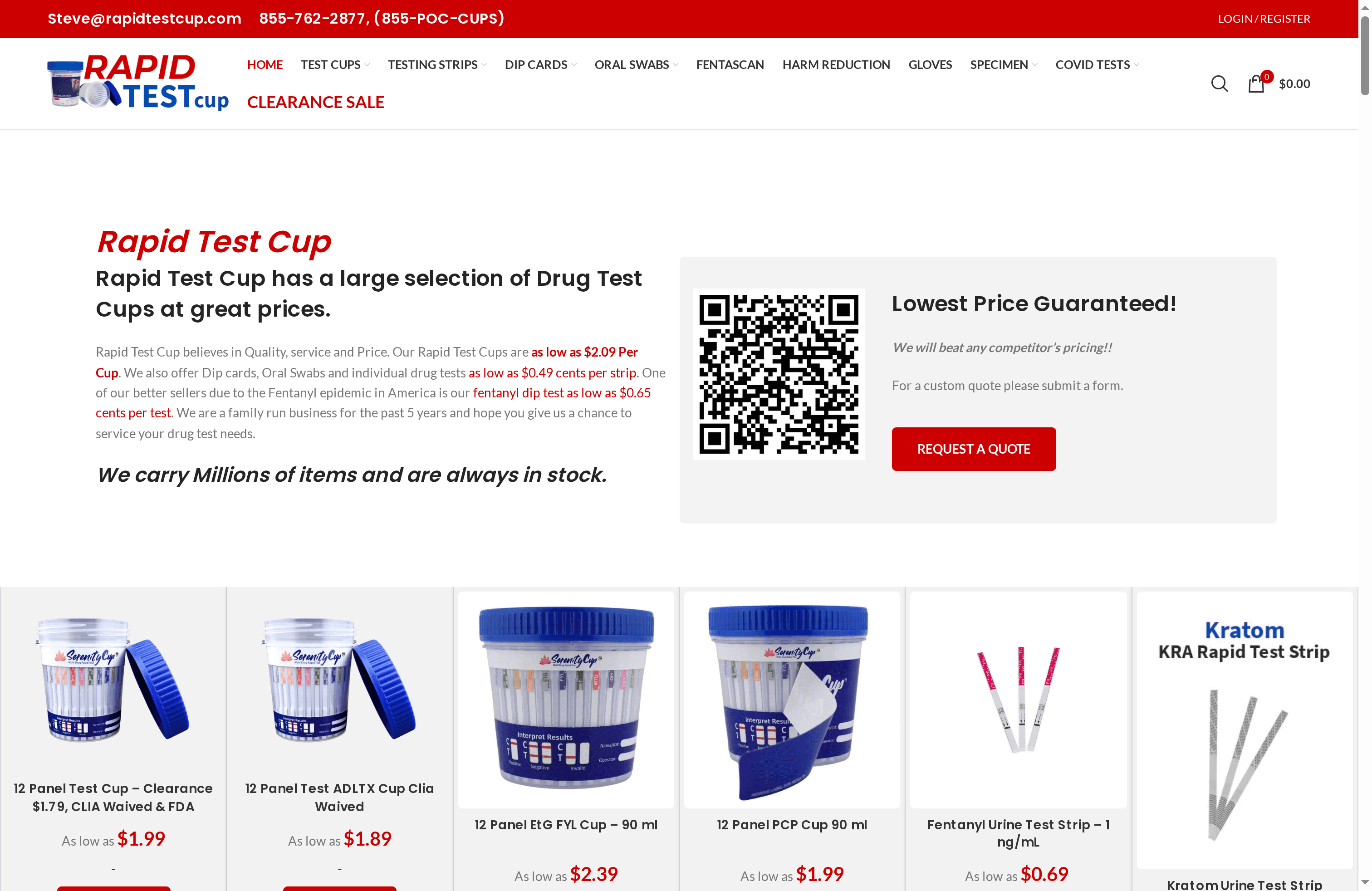
Our 12 panel adltx cup provides comprehensive screening for common workplace substances while including adulteration testing to detect sample tampering. For targeted testing needs, the MET drug test strip offers reliable methamphetamine detection. Organizations starting testing programs often choose our 5 panel rapid drug test cup for cost effective screening of the most frequently abused substances. All products meet CLIA waiver and FDA approval standards, ensuring accuracy and compliance. Explore our full catalog to find testing solutions matching your specific workplace requirements and regulatory obligations.
FAQ
What is the typical process for selecting employees for random drug testing?
Employee selection uses computer generated random methods creating unpredictable, unbiased pools. Software assigns each employee a number, then randomly selects individuals meeting minimum testing frequency requirements. This scientifically valid approach ensures fairness and legal compliance. Learn more about the random drug testing selection process.
How does random drug testing improve overall workplace safety?
Random testing reduces impairment related accidents by identifying substance use before incidents occur. The deterrent effect discourages drug use among tested populations, creating safer working conditions for everyone. Organizations implementing programs typically see 40 to 50% reductions in workplace accidents. Discover additional workplace safety benefits.
Are there legal risks to conducting random drug testing incorrectly?
Incorrect procedures may violate privacy rights, create discrimination claims, or fail compliance requirements. Inconsistent policy application, inadequate confidentiality protections, and improper result handling expose organizations to lawsuits. Consulting employment attorneys and using qualified testing providers minimizes these risks. Review legal risks of drug testing considerations.
What testing methods are most commonly used in random drug testing programs?
Urine testing remains the industry standard due to its proven reliability, reasonable cost, and detection window of 1 to 4 days for most substances. Saliva testing gains popularity for its non invasive collection, while hair testing offers 90 day detection for specific needs. Each method has distinct advantages depending on program objectives. Compare common drug testing methods in detail.