

Blog
The Role of Collection Protocols in Research and Clinical Settings

TL;DR:
- Collection protocols ensure reproducibility and legal defensibility by controlling specimen collection procedures across sites. They help reduce variability, support regulatory compliance, and protect data integrity through detailed documentation and standardized workflows. Implementing clear, concise protocols and regular training enhances adherence and safeguards research validity.
Collection protocols are the documented, site-agnostic procedures that make specimen and data collection reproducible, auditable, and legally defensible. Without them, even well-funded studies produce results that cannot be compared, replicated, or defended in court or before a regulator.
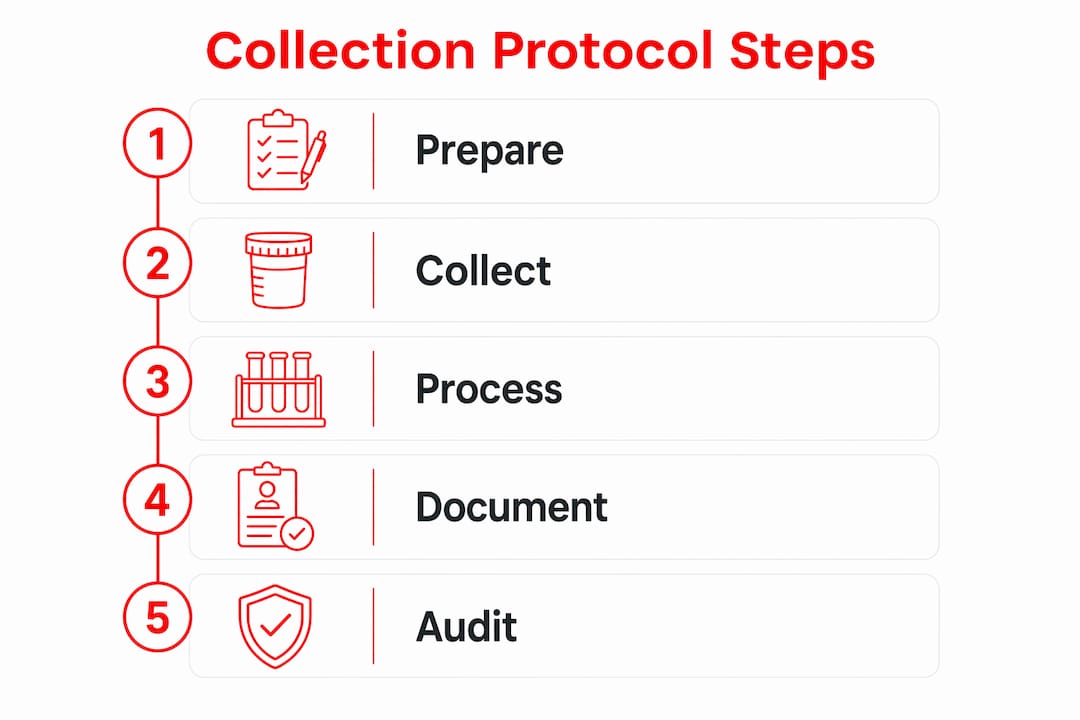
Core functions at a glance:
- Preserve pre-analytical integrity by controlling time-to-processing, temperature, and anticoagulant selection
- Reduce omitted-variable bias by enforcing identical, objective criteria across collectors and sites
- Enable chain-of-custody and regulatory compliance under CLIA, HIPAA, and FDA requirements
- Support multi-site standardization through centralized SOPs aligned with NCI and NIDDK guidance
- Provide the audit trail that makes data legally defensible and publication-ready
Rapidtestcup’s specimen collection tools and supplies are designed to fit directly into protocol-driven workflows, from labeled cryovials to CLIA-waived urine test cups.
Table of Contents
- Why do collection protocols matter for research validity and legal defensibility?
- What must every collection protocol include?
- How do you control pre-analytical variables that degrade samples?
- How do you build a QA system that actually holds up in an audit?
- What U.S. regulatory requirements must collection protocols address?
- How do you roll out a collection protocol across multiple sites?
- What drives specimen collection timelines and costs?
- What are the most common protocol failures and how do you fix them?
- What tools and checklists make protocol adherence easier?
- Key Takeaways
- What actually works when protocols meet real-world audits
- Useful sources for SOP drafting and regulatory reference
Why do collection protocols matter for research validity and legal defensibility?
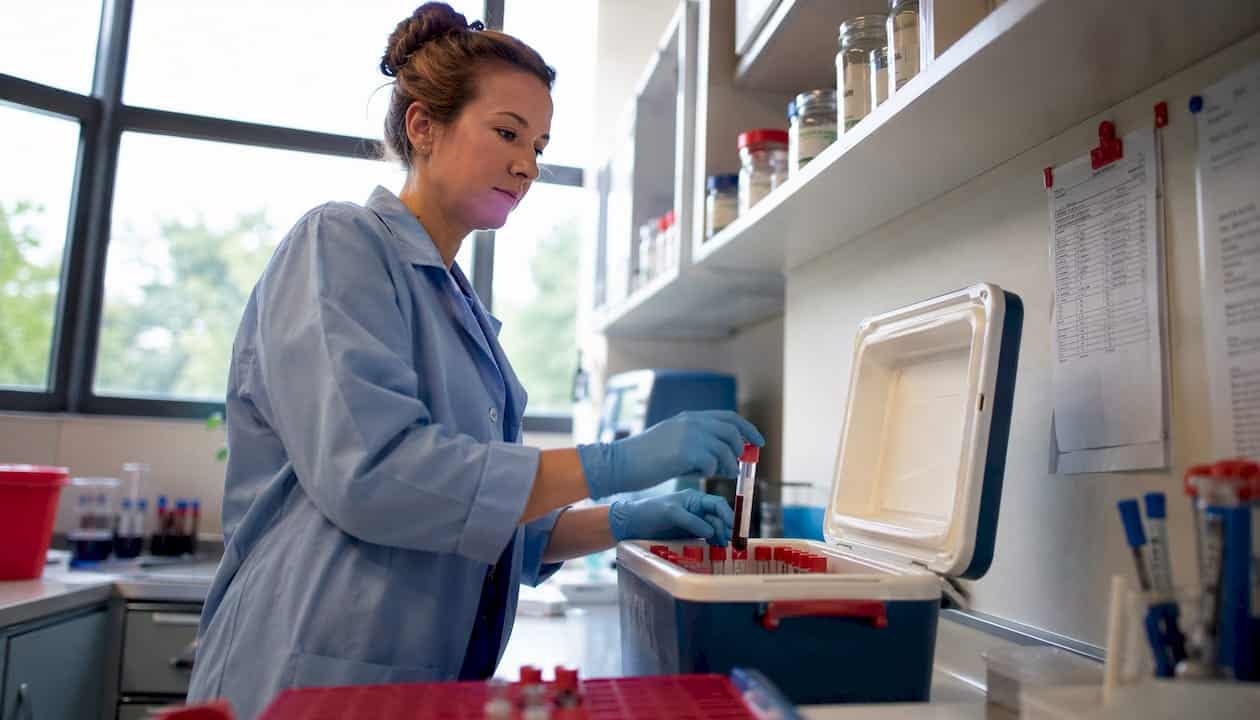
Protocols protect reproducibility by controlling pre-analytical variation before a single assay runs. A sample processed 30 minutes late or stored at the wrong temperature can shift a biomarker reading enough to invalidate a study arm. That is not a theoretical risk; it is the reason CPDPC SOPs specify processing most samples within 4 hours and freezing at −80°C.
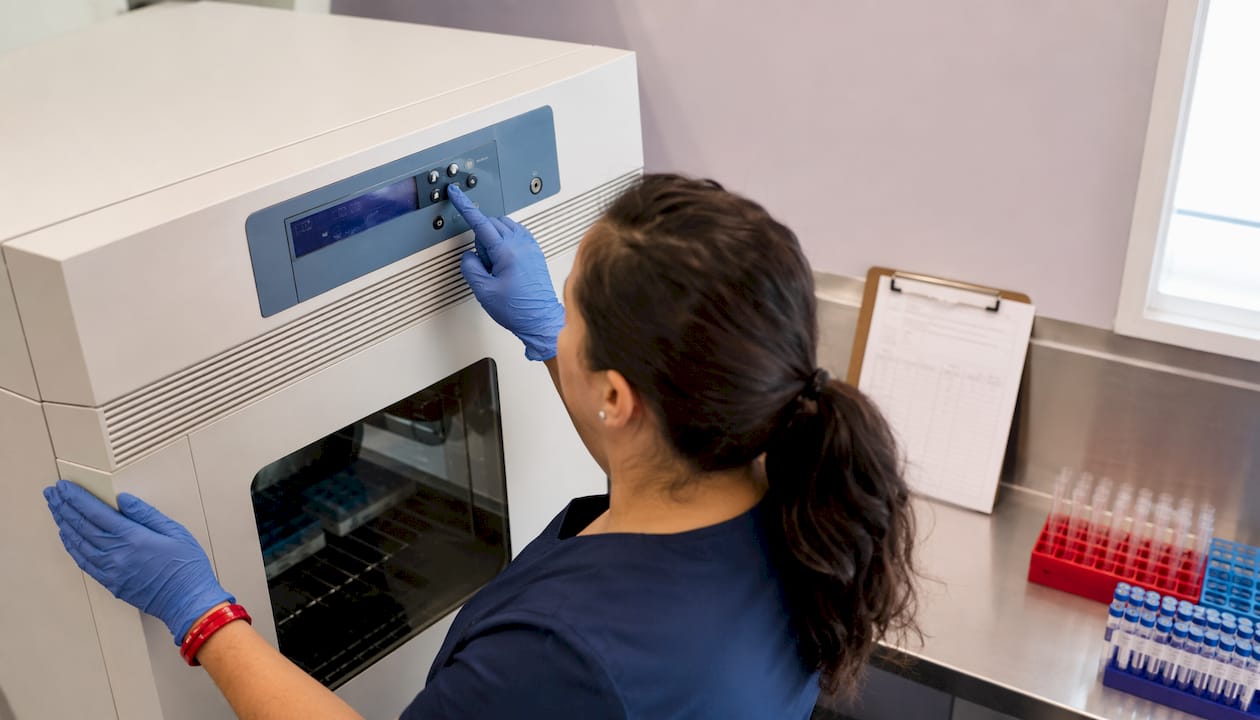
The legal stakes are equally concrete. In forensic and workplace testing, a broken chain of custody can render a positive result inadmissible. In clinical registries, the principle is blunter: the quality of the registry derives from its least rigorous link in the collection and processing chain. One undertrained collector or one missing consent ID can compromise an entire dataset.
Pro Tip: Keep SOPs short and clinically relevant. CPDPC research found that simple, clinically relevant protocols increase staff adherence and consistency across sites far more reliably than exhaustive manuals nobody reads past page three.
Simple protocols also reduce omitted-variable bias. When collectors follow standardized, step-by-step instructions, subjective judgment is removed from the equation, and the data reflects the biology rather than the collector’s habits.
What must every collection protocol include?
A complete protocol covers these sections, in order:
- Objectives and scope: what specimen type, what study population, what assay endpoints
- Inclusion and exclusion criteria: patient preparation requirements (fasting, medication holds, hydration)
- Materials and lot control: tube types, anticoagulants, labels, and lot numbers to track
- Step-by-step collection procedure: written so a trained substitute can execute it identically
- Labeling and ID standard: unique specimen ID, collector ID, collection timestamp
- Metadata fields: time of collection, patient prep confirmation, ambient temperature
- Chain-of-custody forms: signatures at every transfer point, from collector to lab
- Transport and storage conditions: temperature range, maximum transit time, packaging
- Processing timelines and aliquot rules: centrifugation parameters, aliquot volumes, freeze schedule
- Consent and ethics IDs: IRB approval number, consent form version linked to each specimen
Omitting any of these creates an auditable gap. Rigid documentation requirements for collectors are specifically flagged as a frequent weakness in external quality assurance reviews. Defining distribution restrictions at the collection protocol stage, rather than auditing retroactively, also protects consent obligations and prevents noncompliant specimen use downstream.
How do you control pre-analytical variables that degrade samples?
The pre-analytical phase is where most sample variability originates. Time-to-freeze, temperature excursions, and the wrong anticoagulant can each shift results more than the biological signal you are trying to measure.
| Variable | Typical impact | Protocol control measure |
|---|---|---|
| Time-to-processing | Ischemic changes alter protein and RNA levels | Process within 4 hours; freeze at −80°C per CPDPC guidance |
| Storage temperature | Enzymatic degradation accelerates above −80°C | Specify −80°C for long-term biospecimen storage |
| Anticoagulant choice | EDTA vs. heparin affects downstream assays differently | Specify tube type by assay; EDTA for most plasma panels |
| RNA stabilization | RNA degrades within minutes at room temperature | Use PAXgene tubes for immediate nucleic acid stabilization per CPDPC |
| Centrifugation | Speed and temperature affect cell-free plasma purity | Specify g-force, duration, and rotor temperature in SOP |
| PBMC handling | Room temperature transit damages cell viability | Specify ambient transport, process within 4 hours |
Pro Tip: When staff adherence is the limiting factor, prioritize time windows over temperature precision. A team that reliably processes within 4 hours at a slightly imperfect temperature outperforms one that hits −80°C storage but misses the processing window by two hours.
How do you build a QA system that actually holds up in an audit?
QA requires both process controls and outcome monitoring. Training alone is not enough if nobody tracks whether the training changed behavior.
Practical QA elements to implement:
- Training curriculum: written SOP review, observed collection, and sign-off before independent practice
- Competency testing: periodic test abstractions or observed collections to measure inter-rater reliability
- Audit checklists: quarterly review of chain-of-custody forms, metadata completeness, and processing logs
- Corrective-action logs: documented root-cause analysis and protocol revision for every deviation
- Documentation retention: retain collection records per CLIA requirements (minimum 2 years for most lab records; longer for research registries)
Metrics worth tracking monthly: percentage of samples processed within the target time window, percentage of specimens with missing consent IDs, and inter-rater reliability kappa scores for data abstraction. Registries that define procedures, manuals, and training at inception consistently outperform those that retrofit QA after data collection begins.
What U.S. regulatory requirements must collection protocols address?
Collection protocols operating in the United States must explicitly cover four regulatory domains.
CLIA (42 CFR Part 493) governs any laboratory that tests human specimens for health assessment or diagnosis. Protocols must document personnel qualifications, test procedures, quality control, and recordkeeping. CLIA-waived tests still require following manufacturer instructions as written — deviation voids the waiver. HIPAA requires that any protocol capturing patient-identifiable data specify access controls, encryption standards, and breach notification procedures. FDA 21 CFR Part 11 applies when electronic records support FDA submissions; protocols must use validated systems with audit trails and electronic signatures. Chain-of-custody for forensic testing requires witnessed collection, tamper-evident sealing, documented transfers, and specimen integrity checks at each handoff — gaps at any point can make results inadmissible.
For workplace and forensic drug testing, Rapidtestcup’s forensic drug testing checklist walks through the chain-of-custody steps that satisfy federal and state evidentiary standards.
This article is general informational guidance, not legal or regulatory advice. Confirm current requirements with the relevant primary source or a qualified compliance professional for your specific situation.
How do you roll out a collection protocol across multiple sites?
Multi-site standardization requires centralized protocol governance combined with local feasibility checks. A protocol that works in a well-staffed academic medical center may be unworkable at a rural clinic with a two-person lab.
- Draft the central SOP with input from lab directors, clinical coordinators, and a compliance officer.
- Stakeholder review: circulate to all site leads for feasibility comments before finalizing.
- Pilot at one or two sites: measure adherence rates, processing time distributions, and sample rejection rates over an initial multi-week pilot period.
- Revise the SOP and training materials based on pilot findings before broader rollout.
- Full rollout with monitoring: assign a protocol monitor at each site; conduct remote audits quarterly using standardized checklists.
Success criteria before scaling include high adherence to processing windows, low sample rejection rates, and strong inter-rater reliability for data abstraction. An electronic specimen collection protocol schema (eSCPS) integrated into a biobanking information system shortened documentation time was significantly reduced from about seven minutes to about five minutes, making protocol exchange across sites significantly easier.
What drives specimen collection timelines and costs?
Stability windows are the primary scheduling constraint and the main cost driver. The limited processing time window means collections cannot be batched across a full day without cold-chain infrastructure at the collection site.
Major cost drivers:
- Cold-chain equipment: portable coolers, validated transport containers, and ultra-freezer capacity at −80°C
- Consumables: EDTA tubes, PAXgene tubes, labeled cryovials, and tamper-evident seals add per-specimen costs
- Shipping: temperature-controlled courier services for specimens that cannot be processed locally
- Personnel time: chain-of-custody paperwork, aliquoting, and freezer logging are labor-intensive
Low-cost strategies worth documenting in the protocol: batch processing within the stability window, validated stabilization tubes that extend room-temperature hold times, and local short-term storage to reduce courier frequency. Every trade-off should be explicitly noted in the SOP so auditors understand the rationale.
What are the most common protocol failures and how do you fix them?
Most failures are operational rather than conceptual. Missed processing windows, mislabeled samples, missing metadata, and chain-of-custody breaks almost always trace back to unclear SOP language, inadequate training, or infrastructure gaps rather than a flawed study design.
Detection signals to watch: rising sample rejection rates, unexpected assay variance across sites, missing consent IDs on more than a small percentage of specimens, and audit findings on chain-of-custody forms.
When a failure occurs, the response follows four steps: contain (quarantine affected specimens, flag affected data), investigate (root-cause analysis with the collecting staff), correct (revise the SOP section that failed and retrain), and verify (confirm the fix holds over the next 30-day monitoring period). Document every step in the corrective-action log.
Pro Tip: The most common SOP failure point is ambiguous language — “process promptly” instead of “process within 4 hours of collection.” Audit your SOP for every vague time or temperature reference and replace it with a specific, measurable value.
What tools and checklists make protocol adherence easier?
Combining a simple checklist with validated collection tools and an electronic data capture system materially improves adherence. The checklist does not need to be long; it needs to cover every step where a deviation has historically occurred.
| Checklist section | Key items to verify |
|---|---|
| Pre-collection | Patient prep confirmed, correct tube type selected, labels printed with unique ID |
| Collection | Collector ID recorded, collection time logged, specimen volume adequate |
| Processing | Centrifugation parameters met, aliquots labeled and frozen within time window |
| Chain of custody | Transfer signatures complete, tamper-evident seal intact, transport temp logged |
| Documentation | Consent ID linked, metadata fields complete, deviation log updated if applicable |
For specimen collection tools, EDTA tubes cover most plasma panels, PAXgene tubes handle RNA, and labeled cryovials with screw caps work for long-term −80°C storage. Rapidtestcup’s drug specimen collection guide covers urine-specific collection steps and chain-of-custody requirements for workplace and forensic settings.
Digitally, look for an EDC or BIMS that enforces required metadata fields before allowing a record to be saved, flags specimens approaching their processing window, and generates audit-ready chain-of-custody reports. Linking collection protocols to distribution protocols at setup, as platforms like OpenSpecimen support, prevents noncompliant specimen use without manual review.
Key Takeaways
Well-designed collection protocols are the single most effective control against pre-analytical variability, regulatory exposure, and data loss in clinical and research settings.
| Point | Details |
|---|---|
| Protocols protect reproducibility | Controlling time-to-processing and temperature prevents biomarker drift that invalidates study results. |
| Process within 4 hours | CPDPC SOPs specify processing most samples within 4 hours and freezing at −80°C to minimize variability. |
| QA starts at inception | Registries that define training and manuals at the start consistently outperform those that retrofit QA later. |
| Keep SOPs simple | Clinically relevant, concise SOPs increase staff adherence more reliably than exhaustive documentation. |
| Pilot before scaling | Measure adherence rates and rejection rates at one or two sites before full multi-site rollout. |
What actually works when protocols meet real-world audits
The gap between a well-written protocol and one that survives an audit is almost always in the metadata fields and the processing time records. Protocols that specify exact time windows and require a timestamp at collection and at freezing give auditors nothing to question. Protocols that say “process as soon as possible” give auditors everything they need to raise a finding.
The most effective fix for compliance officers facing a protocol gap is to prioritize the two or three variables with the highest failure rate in your corrective-action log, rewrite those SOP sections with specific, measurable language, and run a 30-day competency check before closing the finding. Trying to fix everything at once usually means fixing nothing well.
Routine competency checks are underused. A quarterly observed collection or test abstraction catches drift before it becomes a systemic problem, and the documentation of those checks is itself an audit asset.
Useful sources for SOP drafting and regulatory reference
- CPDPC Standard Operating Procedures for Biospecimen Collection, Processing, and Storage: The primary source for processing windows, freeze temperatures, tube selection, and aliquoting standards. Use this when drafting or defending pre-analytical controls.
- Registries for Evaluating Patient Outcomes: Data Collection and Quality Assurance: Covers training, manuals, inter-rater reliability, and the “weakest link” principle for registry QA. Use this when designing training curricula and audit checklists.
- eSCPS Electronic Specimen Collection Protocol Schema: Documents the documentation-time reduction and protocol exchange benefits of electronic schema in BIMS. Use this when making the case for digital protocol management.
- Scribbr: Data Collection Methods and Standardization: Practical methodology guidance on writing step-by-step instructions and preventing omitted-variable bias. Useful for researchers drafting collection procedures for the first time.
- OpenSpecimen Collection Protocol Documentation: Reference for linking collection protocols to distribution protocols and consent statements in a BIMS. Use when evaluating or configuring digital collection management systems.