

Blog
10 Reasons for Regular Testing: Health and Safety Guide


TL;DR:
- Regular testing enables early detection of silent diseases and improves health outcomes. It also reduces costs by catching problems before they require emergency treatment.
Regular testing is defined as a scheduled, recurring practice of health screening and assessment designed to detect disease, monitor existing conditions, and confirm compliance with safety standards. The reasons for regular testing go far beyond a routine checkup. Lab results influence around 70% of medical decisions while accounting for a small fraction of total healthcare costs. That ratio makes consistent testing one of the highest-value investments in personal and professional health management. This guide covers ten evidence-backed reasons why testing regularly protects health, reduces costs, and supports better outcomes.
1. What are the top reasons for regular testing?
The single most compelling reason to test regularly is early detection. Many serious diseases develop silently without producing any symptoms until they reach an advanced stage. By the time a person feels sick, treatment options are often fewer and more expensive.

Early disease detection
96 million American adults have prediabetes, and more than 80% of them do not know it. A simple fasting blood glucose test catches this condition before it becomes Type 2 diabetes, which carries serious complications including kidney failure, nerve damage, and cardiovascular disease. Early detection at the prediabetes stage allows for lifestyle changes that can fully reverse the condition.
2. Monitoring existing conditions
Regular testing is the primary tool for managing chronic conditions like hypertension, diabetes, thyroid disorders, and high cholesterol. A single diagnosis does not end the need for testing. Conditions change over time, and treatment plans must change with them.
Tracking biomarkers over months and years gives clinicians a trend line, not just a snapshot. That trend line is what separates reactive medicine from proactive care. Without it, dosage adjustments and treatment pivots happen too late.
3. Cost-effectiveness of preventive screening
Preventive screenings cost a fraction of emergency care for heart attacks, strokes, or advanced cancer treatments. A routine lipid panel or blood pressure check costs far less than a hospital stay for a cardiac event. The math is straightforward: catching a problem early is cheaper than treating a crisis.
Professionals managing workplace health programs understand this calculus well. Bulk testing for healthcare programs reduces per-test costs further, making consistent screening financially practical even at scale.
4. Establishing personal health baselines
A single test result means little without context. Biological variation means test results represent snapshots. A baseline, built from multiple results over time, shows what is normal for a specific person rather than just what falls within a population average.
Baselines matter most when something changes. If a person’s creatinine level rises from their personal norm, that signals kidney stress even if the number still falls within the standard reference range. Without a baseline, that signal is invisible.
5. Medication management and treatment adjustment
Many medications require regular monitoring to confirm they are working and not causing harm. Statins require periodic liver function checks. Blood thinners like warfarin require INR testing to prevent dangerous clotting or bleeding. Thyroid medications require TSH monitoring to keep hormone levels in the correct range.
Skipping these tests does not mean the medication is safe. It means the risk is unmonitored. Clinicians rely on lab results for medical decisions to adjust dosages before side effects become serious.
6. Managing personal and family risk factors
Family history of heart disease, cancer, or diabetes raises individual risk significantly. Regular testing translates that abstract risk into a concrete, trackable number. A person with a family history of colon cancer who tests regularly has a measurably better chance of catching polyps before they become malignant.
The same logic applies to workplace and compliance settings. Professionals managing substance abuse programs use structured drug testing policies to identify risk early and intervene before consequences escalate.
7. Reducing anxiety and supporting mental health
Regular testing reduces anxiety and provides peace of mind, which supports better long-term health through proactive lifestyle changes. Not knowing your health status creates a background level of stress that compounds over time. A clean result is not just medically useful. It is psychologically valuable.
The inverse is also true. Avoiding tests because of fear of bad news tends to increase anxiety, not reduce it. People who test regularly report feeling more in control of their health, which correlates with better adherence to healthy behaviors.
8. Preventing costly health emergencies
Many patients skip exams when feeling healthy, missing the critical window for early detection. Annual visits build risk trend data that goes far beyond treating immediate symptoms. The absence of symptoms is not the same as the absence of disease.
Feeling fine is not a health strategy. Silent conditions like hypertension and high cholesterol produce no warning signs until they cause a stroke or heart attack. Regular testing is the only reliable way to detect them before they become emergencies.
The financial consequences of skipped testing are severe. A hospitalization for a preventable condition costs thousands of dollars more than the screening that could have caught it.
9. Supporting compliance and safety in professional settings
Compliance testing is a legal and ethical requirement in many industries, including transportation, healthcare, law enforcement, and substance abuse treatment. Consistent testing schedules protect organizations from liability and protect individuals from harm. Testing compliance requires documented protocols, calibrated tools, and verified procedures.
For labs and clinics, maintaining drug testing accuracy is not optional. A false negative in a safety-sensitive workplace can have serious consequences. Regular, well-documented testing is the standard that prevents those outcomes.
Pro Tip: Review your testing protocols at least once per year. Test suites that remain static become less effective over time, a phenomenon known as the pesticide paradox. Rotating and updating your testing approach keeps results accurate and meaningful.
10. Building a long-term picture of health trends
A single data point is an observation. A series of data points is a story. Regular testing creates that story, revealing trends in cholesterol, blood sugar, kidney function, and other markers that no single test can show. Clinicians use these trends to predict risk years before a condition becomes diagnosable.
Retesting after 2–3 months is advised following significant lifestyle or symptom changes to capture meaningful biomarker shifts. Retesting too soon produces noise, not signal. Spacing tests correctly gives the body time to reflect real change.
How often should you get tested?
Testing frequency depends on age, health status, and personal risk factors. Adults aged 18–39 are generally advised to have a comprehensive physical exam every 2–3 years, while those 40 and older should have annual exams. That gap narrows quickly when risk factors are present.
Factors that increase testing frequency include:
- Family history of diabetes, heart disease, or hereditary cancers
- Existing chronic conditions such as hypertension, thyroid disorders, or kidney disease
- Lifestyle factors including smoking, high alcohol use, or a sedentary lifestyle
- Occupational exposure to chemicals, pathogens, or high-stress environments
- Medication use that requires ongoing monitoring for safety
Work with a healthcare provider to set a personalized schedule. Generic population guidelines are a floor, not a ceiling. A 35-year-old with a family history of early cardiac events needs more frequent lipid panels than the standard recommendation suggests.
Pro Tip: Update your testing routine whenever your health status, medications, or lifestyle changes significantly. A schedule built for last year may not reflect your current risk profile.
Common tests in regular health screening and what they reveal
The most frequently ordered screening tests each target a specific system or risk category. Understanding what each test measures helps you interpret results and ask better questions.
| Test | What it detects | Typical frequency |
|---|---|---|
| Complete Blood Count (CBC) | Anemia, infection, immune disorders | Annually or as needed |
| Lipid panel | Cholesterol and triglyceride levels | Every 4–6 years (more often if at risk) |
| Fasting blood glucose | Prediabetes and diabetes | Every 3 years (annually if at risk) |
| Thyroid function (TSH) | Hypothyroidism and hyperthyroidism | Every 5 years or as symptoms suggest |
| Comprehensive metabolic panel | Kidney and liver function, electrolytes | Annually for chronic condition monitoring |
| Urinalysis | Kidney disease, UTI, diabetes markers | Annually or as clinically indicated |
Each of these tests is low cost, minimally invasive, and capable of detecting conditions that would otherwise go unnoticed for years.
Pro Tip: Fasting 8–12 hours before certain blood tests is critical to avoid skewed results. Eating before a lipid panel or glucose test can produce false elevations that trigger unnecessary follow-up testing and anxiety.
What happens when you skip regular testing?
Skipping scheduled tests creates a gap in your health record that cannot be reconstructed. The consequences are not hypothetical. They are well-documented and often irreversible.
- Late-stage diagnosis reduces treatment options and worsens survival rates for cancers, kidney disease, and cardiovascular conditions
- Higher treatment costs result from managing advanced disease rather than preventing it
- Medication drift occurs when dosages go unadjusted because monitoring tests are skipped
- Compliance failures expose organizations to legal liability and safety incidents
- Psychological burden increases when health status is unknown, creating chronic low-level stress
Preventive screenings cost a fraction of the emergency care that results from undetected conditions. The cost of avoidance is always higher than the cost of the test.
Key Takeaways
Regular testing is the most cost-effective tool available for early disease detection, chronic condition management, and compliance assurance across health and professional settings.
| Point | Details |
|---|---|
| Early detection saves lives | Silent conditions like prediabetes affect 96 million Americans, most of whom are unaware without testing. |
| Lab results drive decisions | Around 70% of medical decisions rely on lab results, making consistent testing central to good care. |
| Frequency depends on risk | Adults 40+ should test annually; those 18–39 every 2–3 years, adjusted for personal risk factors. |
| Skipping tests costs more | Emergency care for preventable conditions costs far more than the screenings that could have caught them. |
| Protocols must evolve | Static testing routines lose effectiveness over time; update schedules when health or lifestyle changes. |
Why I think most people misunderstand what regular testing is actually for
People treat testing as a pass-fail event. You go in, you get results, you either worry or you don’t. That framing misses the entire point.
Testing is not a verdict. It is a data collection practice. The value of a single test is modest. The value of ten tests taken over five years is enormous. You are not looking for a diagnosis at each visit. You are building a personal health record that makes future diagnoses faster, cheaper, and more accurate.
The pesticide paradox applies here in a way most people never consider. If you run the same tests in the same way every year without ever adjusting for new risk factors or life changes, those tests become less useful. A 45-year-old who has never updated their screening panel since their 30s is not getting the same value from testing as someone who reviews and adjusts their protocol regularly.
The other thing I have observed is that people who test regularly make better lifestyle decisions. Seeing a cholesterol number trend upward over three years is more motivating than any generic health advice. Numbers create accountability in a way that abstract warnings never do.
Testing is self-care maintenance, not a medical emergency response. Treat it that way, and it pays dividends that compound over decades.
— Justin
Rapidtestcup products for reliable, professional-grade testing
Reliable testing starts with reliable tools. Rapidtestcup carries a full catalog of FDA-approved, CLIA waived drug testing products built for laboratories, clinics, substance abuse programs, and law enforcement.
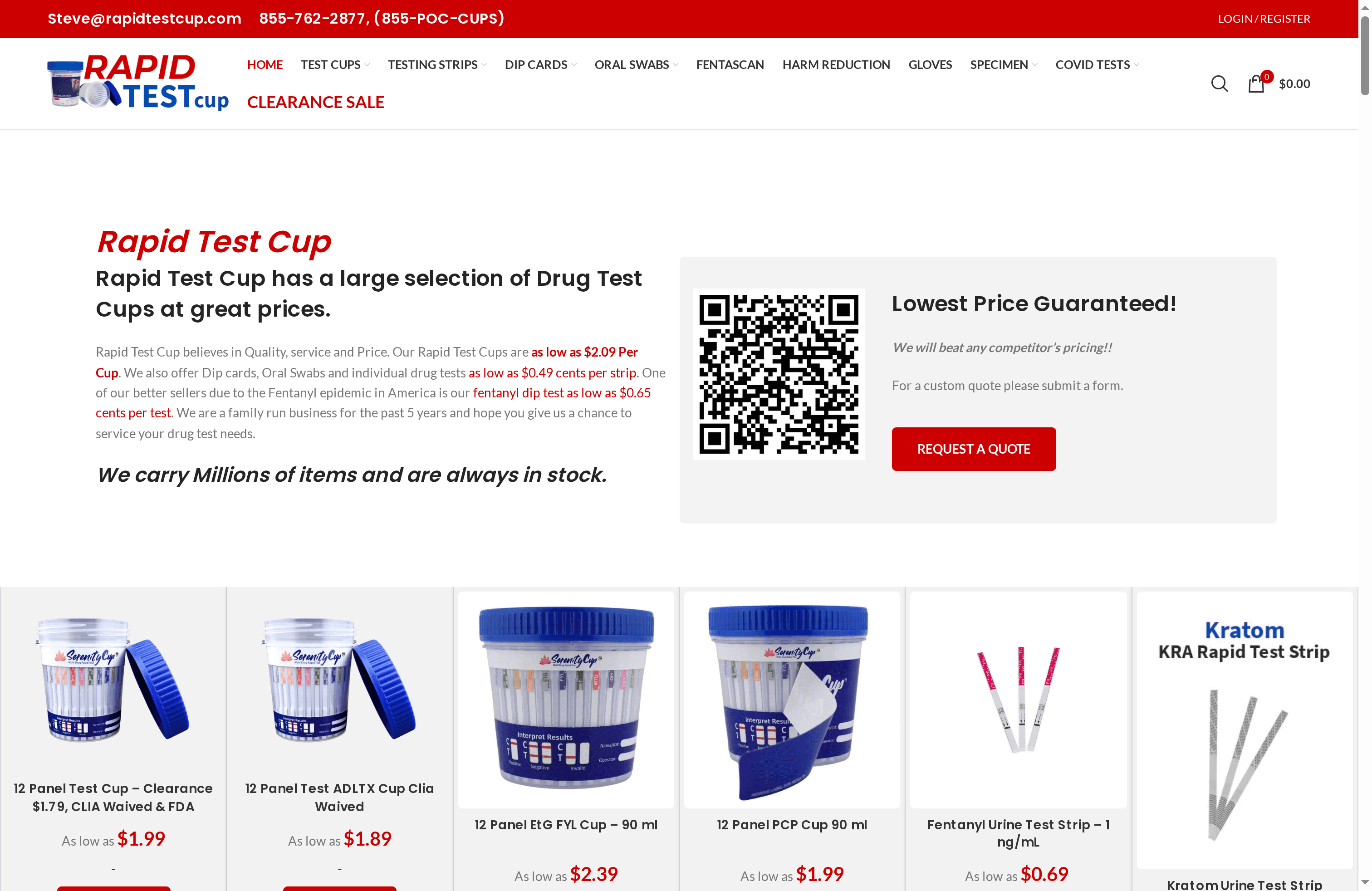
Whether you need a multi-panel drug test cup for a clinical program or individual test strips for point-of-care use, Rapidtestcup offers bulk pricing, fast shipping, and products that meet professional compliance standards. The catalog includes multi-panel cups, urine test strips, specimen collection supplies, and adulteration detection tools. Every product is designed to deliver accurate, court-admissible results when your program depends on them.
FAQ
What are the main reasons for regular testing?
Regular testing enables early disease detection, ongoing monitoring of chronic conditions, medication management, and compliance with safety standards. Lab results influence around 70% of medical decisions, making consistent testing central to quality care.
How often should adults get health screenings?
Adults aged 18–39 should have a comprehensive physical exam every 2–3 years, while those 40 and older should have annual exams. Risk factors like family history or chronic conditions increase the recommended frequency.
What happens if you skip regular health tests?
Skipping tests allows silent conditions to progress undetected, increases treatment costs, and creates gaps in health records that cannot be reconstructed. Preventive screenings cost a fraction of the emergency care that results from undetected disease.
Why does fasting matter before blood tests?
Fasting 8–12 hours before certain blood tests prevents food intake from skewing results, particularly for glucose and lipid panels. Eating beforehand can produce false elevations that trigger unnecessary follow-up testing.
What is the pesticide paradox in health testing?
The pesticide paradox describes how static, unchanging test routines lose effectiveness over time. Updating your screening panel to reflect new risk factors and life changes keeps your testing program accurate and clinically meaningful.