Blog
What Is a Test Panel? Key Uses for Drug Screening


Finding cost-effective, FDA-approved drug test panels that deliver both accuracy and compliance can be challenging for laboratory managers and substance abuse coordinators. Reliable routine testing is crucial for safety, legal defensibility, and meeting Federal guidelines in American workplaces. This article breaks down the core principles of drug test panels, highlights key types, and explains practical best practices so you can confidently choose solutions that fit your organization’s compliance needs. For effective oversight, understanding standardized screening protocols is essential.
Table of Contents
- Test Panel Definition And Core Principles
- Drug Test Panel Types And Variations
- How Drug Test Panels Work In Practice
- Regulatory Standards And Compliance Needs
- Common Pitfalls And Best Practices
Key Takeaways
| Point | Details |
|---|---|
| Test Panels Are Versatile | Drug test panels can be customized to meet specific institutional needs, allowing for targeted substance detection. |
| Importance of Confirmatory Testing | To minimize false positives, confirmatory testing should always accompany initial screening results. |
| Regulatory Compliance Is Essential | Drug testing programs must adhere to strict regulatory standards to ensure accuracy and protect both organizations and individuals. |
| Addressing Common Pitfalls | Effective drug testing programs require protocols to avoid false positives and maintain specimen integrity while ensuring confidentiality. |
Test Panel Definition and Core Principles
A test panel represents a systematic screening method used to detect the presence of multiple substances simultaneously in a biological specimen, typically urine, blood, or hair. Federal guidelines for drug testing specify standardized protocols for identifying controlled substances across workplace, medical, and legal environments.
Drug test panels function by analyzing biological samples for specific drug metabolites using immunoassay technologies that target precise chemical signatures. These screening processes enable organizations to quickly identify potential substance use through comprehensive, multi-drug evaluations. Substance detection methods involve measuring analyte concentrations against established cutoff thresholds, which determine whether a result is considered positive or negative.
Standardized test panels typically include screening protocols for core substance categories such as:- Opioids- Amphetamines- Cocaine- Marijuana- Benzodiazepines- BarbituratesEach panel configuration can be customized to meet specific institutional requirements, allowing flexibility in detecting substances relevant to particular screening contexts. The complexity and breadth of a test panel depend on the intended application, whether for workplace compliance, medical monitoring, forensic investigation, or athletic regulation.
Pro tip: Verify that your selected drug test panel meets all relevant regulatory standards and includes comprehensive screening for substances most pertinent to your specific testing environment.
Drug Test Panel Types and Variations
Drug test panels represent complex screening mechanisms with multiple variations designed to meet diverse testing requirements. Drug analysis techniques involve sophisticated screening processes that range from basic immunoassay methods to advanced confirmatory testing protocols, enabling organizations to detect substance use with increasing precision.
The primary variations in drug test panels include:- 5-Panel Test: Screens for core substances like marijuana, cocaine, amphetamines, opioids, and phencyclidine (PCP)- 10-Panel Test: Expands screening to include barbiturates, benzodiazepines, and additional controlled substances- 12-Panel Test: Incorporates synthetic opioids and emerging designer drugs- Extended Panels: Customized configurations targeting specific institutional or regulatory needs
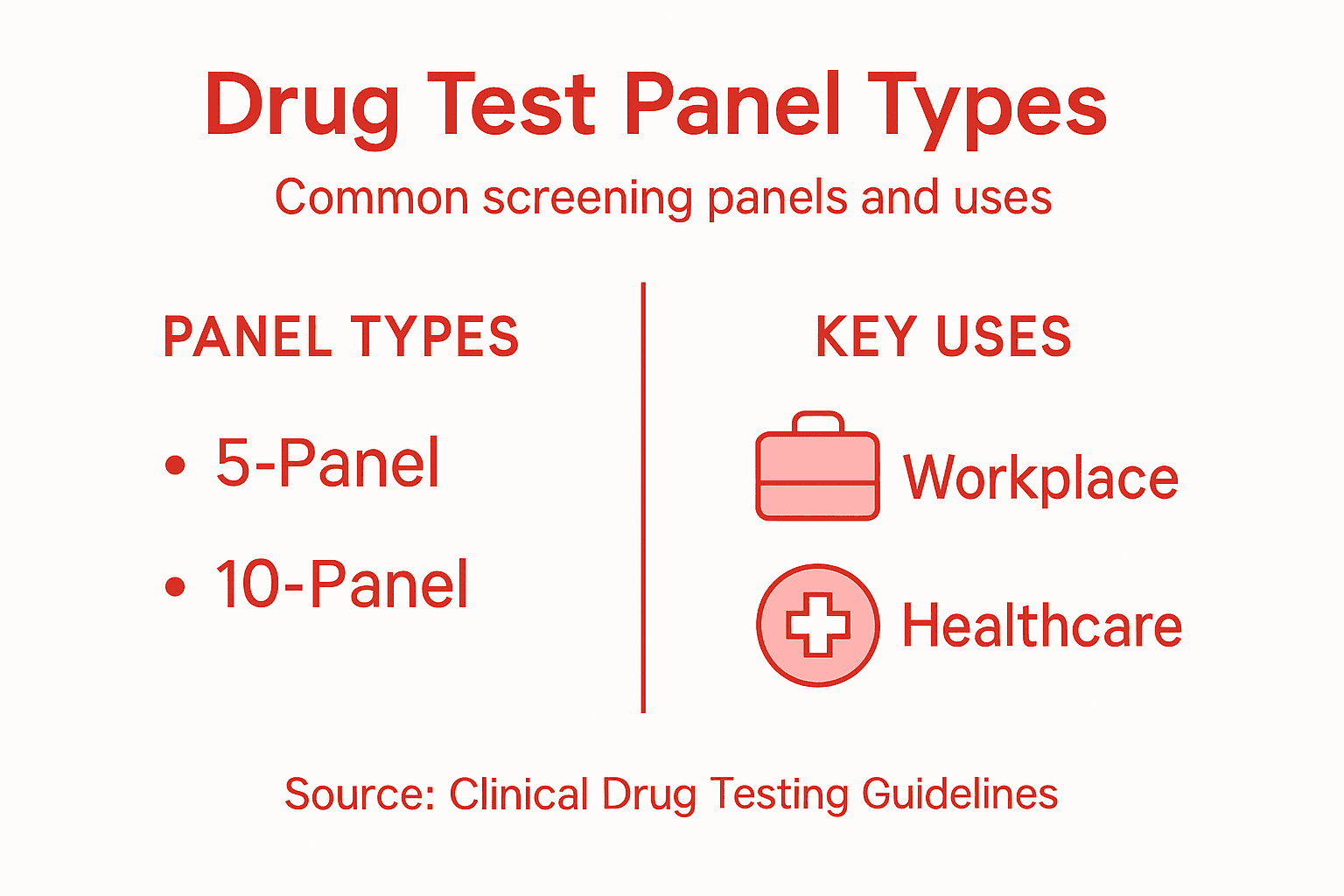
Drug screening methodologies demonstrate significant variation across different contexts. Medical facilities might prioritize comprehensive metabolite detection, while workplace screening focuses on safety-critical substance identification. Forensic applications often require the most extensive and precise panel configurations, integrating cutting-edge detection technologies to identify complex chemical signatures.
Pro tip: Always confirm the specific substances included in your selected drug test panel and ensure the testing methodology matches your precise screening requirements.
Here’s a quick comparison of common drug test panel types and their typical applications:
| Panel Type | Substances Detected | Common Use Cases |
|---|---|---|
| 5-Panel | Major illicit drugs | Workplace screening |
| 10-Panel | Expanded prescription drugs | Medical or legal evaluations |
| 12-Panel | Synthetic/opioids & trends | Forensic, sports testing |
| Extended Panel | Custom substance selection | Regulatory or institutional |
How Drug Test Panels Work in Practice
Drug testing involves a sophisticated, multi-step process designed to accurately detect and verify the presence of controlled substances. Federal drug testing guidelines establish rigorous protocols that ensure consistent and reliable screening across different testing environments.
The typical drug test panel workflow includes three critical stages:
- Initial Screening: Rapid immunoassay testing that provides preliminary substance detection
- Confirmatory Testing: Advanced laboratory techniques like gas chromatography-mass spectrometry (GC-MS) to validate initial results
- Medical Review: Professional interpretation of results by certified Medical Review Officers
Drug testing methodologies require precise specimen collection and handling to maintain result integrity. Urine remains the most common sample type, offering a comprehensive window into recent substance use. The complexity of testing involves not just detecting the presence of drugs, but also understanding metabolite concentrations, potential cross-reactivities, and distinguishing between therapeutic and recreational substance use.

Pro tip: Always ensure your drug testing protocol includes both initial screening and confirmatory testing to minimize the risk of false positive results.
Regulatory Standards and Compliance Needs
Drug testing programs must adhere to stringent regulatory compliance requirements that ensure accuracy, reliability, and legal defensibility. These standards protect both organizations and individuals by establishing comprehensive protocols for substance screening across various professional contexts.
Key regulatory compliance components include:
- Certification Standards: Laboratories must obtain and maintain specific accreditations
- Documentation Protocols: Detailed record-keeping of testing procedures and results
- Chain of Custody: Strict tracking of specimen collection and handling
- Scientifically Validated Methods: Using approved testing technologies and techniques
Federal workplace drug testing guidelines mandate comprehensive screening protocols that vary across different sectors. Medical facilities, transportation companies, government agencies, and private corporations must customize their drug testing approaches to meet industry-specific regulatory requirements while maintaining consistent scientific standards.
Pro tip: Regularly audit your drug testing procedures to ensure ongoing compliance with the most current federal and industry-specific regulatory standards.
Common Pitfalls and Best Practices
Drug testing programs encounter numerous challenges that can compromise result accuracy and organizational effectiveness. Drug screening strategies require meticulous attention to prevent common errors that might undermine testing integrity.
Common pitfalls in drug testing include:
- False Positives: Triggered by prescription medications or dietary supplements
- Inadequate Confirmation: Relying solely on initial screening without follow-up testing
- Poor Specimen Handling: Compromising sample integrity through improper collection or storage
- Privacy Violations: Failing to maintain strict confidentiality of test results
Workplace drug testing challenges demand comprehensive approaches that balance organizational safety with individual rights. Successful programs implement robust protocols that include comprehensive screening, confirmatory testing, medical review, and clear communication of testing policies. Organizations must develop nuanced strategies that distinguish between substance abuse and legitimate medical treatments while maintaining a fair and consistent testing environment.
Pro tip: Develop a comprehensive drug testing protocol that includes multiple verification steps and maintains strict confidentiality to ensure both organizational safety and individual privacy.
The table below highlights best practices for effective drug testing program management:
| Practice | Impact on Accuracy | Role in Compliance |
|---|---|---|
| Confirmatory Testing | Reduces false positives | Ensures regulatory validity |
| Chain of Custody Tracking | Prevents sample tampering | Provides legal defensibility |
| Medical Review | Interprets ambiguous results | Distinguishes therapeutic use |
| Confidential Reporting | Protects privacy | Maintains ethical standards |
Streamline Your Drug Screening with Reliable Test Panels
Understanding the importance of accurate and comprehensive drug test panels is just the first step toward effective substance screening. This article highlights the challenges of selecting the right panels, avoiding false positives, and maintaining regulatory compliance. If you are tasked with managing workplace safety, medical evaluations, or forensic investigations, you know how critical it is to have dependable, FDA-approved testing supplies that cover a wide range of substances and detection needs.
At RapidTestCup, we provide a vast selection of high-quality drug test cups, dip cards, and urine test strips designed to help you implement the exact test panels discussed here. Whether you need 5-panel, 10-panel, or customized extended panels, our affordable products come with quick shipping and full compliance to support your screening goals. Our detailed product descriptions and bulk discounts make it easy to choose what fits your specific regulatory and operational requirements.
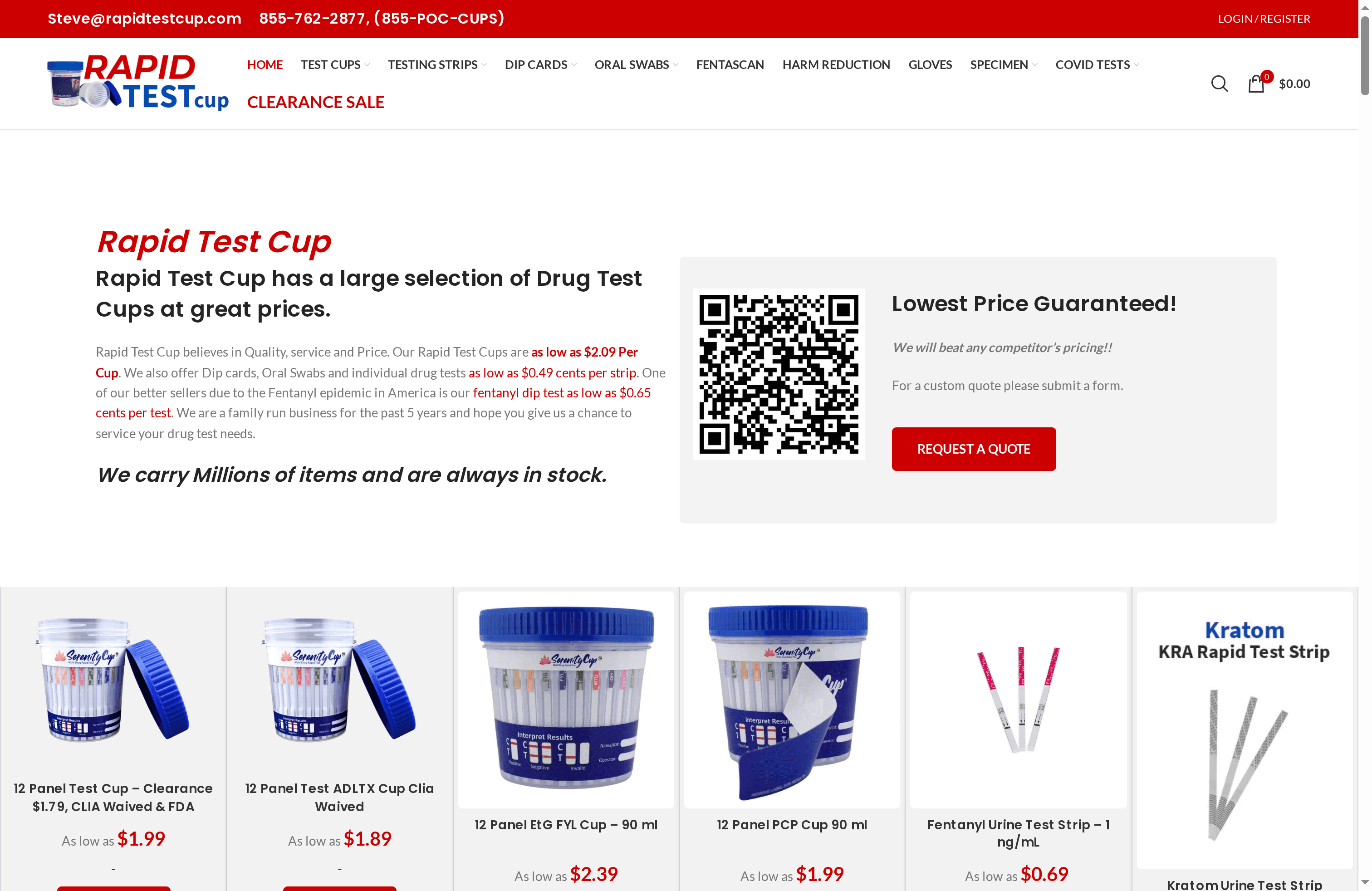
Take control of your drug testing program today by exploring our comprehensive inventory at RapidTestCup. Visit our site to find the right test panels that reduce errors, ensure privacy, and meet federal standards. Don’t wait to enhance your screening accuracy with trusted supplies designed for professionals like you.
Frequently Asked Questions
What is a test panel in drug screening?
A test panel is a systematic screening method that detects the presence of multiple substances in biological specimens, such as urine, blood, or hair, using immunoassay technologies.
What substances are typically included in test panels?
Standard test panels usually screen for major drug categories including opioids, amphetamines, cocaine, marijuana, benzodiazepines, and barbiturates. The specific substances can vary based on the panel type and organizational requirements.
How do drug test panels work in practice?
Drug test panels involve three main stages: initial screening through rapid immunoassay testing, confirmatory testing using methods like gas chromatography-mass spectrometry (GC-MS), and medical review by certified professionals for interpretation.
What are common pitfalls in drug testing programs?
Common pitfalls include false positives from medications or supplements, inadequate confirmation of results, poor specimen handling, and privacy violations related to test result confidentiality.