Blog
Rapid screening methods for drug testing explained 2026


Rapid screening methods promise quick, affordable drug testing results for labs and clinics, yet many professionals remain skeptical about their reliability and suitability for compliance. Doubts about accuracy, regulatory acceptance, and practical performance often delay adoption. This guide cuts through misconceptions to clarify how rapid tests work, when confirmatory testing is essential, and how to select effective methods that balance speed, cost, and accuracy for workplace, clinical, and forensic applications.
Table of Contents
- Introduction To Rapid Screening Methods
- How Rapid Screening Methods Work
- Comparison Of Common Rapid Screening Technologies
- Common Misconceptions About Rapid Screening Accuracy
- Regulatory And Compliance Considerations
- Practical Trade-Offs: Balancing Speed, Cost, And Accuracy
- Interpreting And Confirming Rapid Screening Results
- Conclusion And Best Practice Recommendations
- Explore Effective Rapid Screening Products
- FAQ
Key takeaways
| Point | Details |
|---|---|
| Speed and cost | Rapid drug screening delivers fast, cost-effective initial results in under 10 minutes. |
| Core technology | Immunoassay is the foundation of most rapid tests, detecting drug metabolites through antigen-antibody reactions. |
| Accuracy requirements | Proper use achieves over 90% reliability, but confirmatory follow-up is mandatory for positive results. |
| Regulatory compliance | FDA CLIA-waived approvals ensure quality standards and legal acceptance in clinical and forensic settings. |
| Selection criteria | Choosing suitable test types requires balancing speed, cost, panel coverage, and workflow impacts. |
Introduction to rapid screening methods
Rapid screening refers to preliminary drug tests that deliver results in minutes using immunoassay technology. These methods provide initial assessments, not definitive diagnoses, enabling timely decisions before confirmatory lab analysis. Rapid immunoassay tests deliver results in under 5 minutes with high sensitivity for common drugs, making them practical frontline tools for laboratories, clinics, and enforcement settings.
Common test formats include urine cups, dip cards, and test strips. Urine test cups integrate specimen collection and detection in a single sealed device, reducing contamination risk. Dip cards allow multi-drug panel testing by immersing cards into collected samples. Test strips offer single-drug detection at lower cost, suitable for targeted screening. Understanding the benefits of rapid drug tests helps professionals match formats to operational needs.
Rapid methods serve multiple contexts:
- Workplace testing for pre-employment and random screenings
- Clinical substance abuse programs monitoring treatment compliance
- Forensic applications requiring immediate preliminary results
- Emergency departments assessing drug-related incidents
These contexts demand quick turnaround to support immediate clinical or administrative decisions. However, rapid screening provides preliminary detection only. Positive results require confirmatory testing via gas chromatography-mass spectrometry or liquid chromatography-mass spectrometry to ensure legal and diagnostic validity. Professionals must understand why rapid testing is used and its role as the first stage in a comprehensive testing protocol.
How rapid screening methods work
Immunoassay technology drives rapid screening by exploiting antigen-antibody binding. When drug metabolites in urine bind to specific antibodies coated on test strips, visible color changes indicate positive results. This reaction occurs within minutes, contrasting with hours or days required for laboratory confirmation. Immunoassay-based rapid screening tests can deliver results within 5 minutes with high sensitivity for common drug classes, enabling fast clinical decision-making.
Detection windows vary by substance and test type. Rapid screening methods typically detect recent drug use within hours to days depending on the substance and test type. Cannabis metabolites may appear for 24 to 72 hours after use, while cocaine metabolites clear faster. Test sensitivity determines how soon after use detection becomes reliable. Understanding these windows helps professionals time testing for maximum effectiveness.
The procedural workflow is straightforward:
- Collect specimen in a clean, tamper-evident container or integrated test cup
- Apply specimen to test strip, dip card, or integrated cup per manufacturer instructions
- Wait 5 to 10 minutes for color development indicating positive or negative results
- Read and document results immediately before color fades
Rapid turnaround enables same-visit decisions in clinical settings, reducing follow-up burden. Professionals can initiate treatment, adjust monitoring, or take enforcement actions without delays inherent in lab processing. Yet accuracy depends on strict adherence to protocols. For foundational understanding, review what is rapid drug testing to grasp the full scope of these methods.
Pro Tip: Always follow manufacturer instructions exactly. Timing, temperature, and specimen volume directly affect accuracy, and deviations cause false positives or negatives.
Comparison of common rapid screening technologies
Selecting the right rapid screening format requires understanding trade-offs among urine test cups, dip cards, and test strips. Each format offers distinct advantages and workflow impacts suited to different operational priorities.
| Technology | Pros | Cons | Best For |
|---|---|---|---|
| Urine test cups | Integrated collection and testing; reduced contamination risk; multiplex panels available | Higher per-unit cost; requires disposal as biohazard | High-throughput settings needing contamination control |
| Dip cards | Cost-effective; flexible multi-panel detection; easy storage | Requires separate collection; higher handling steps | Clinics balancing cost and panel breadth |
| Test strips | Lowest cost; targeted single-drug detection | Limited panel coverage; more handling increases error risk | Budget-limited or targeted screening programs |
Urine test cups streamline workflow by combining specimen collection and immunoassay detection in one device. Rapid test cups integrating specimen collection reduce cross-contamination risk and streamline workflow, making them ideal for busy labs processing dozens of samples daily. Sealed designs prevent tampering and minimize biohazard exposure for operators.
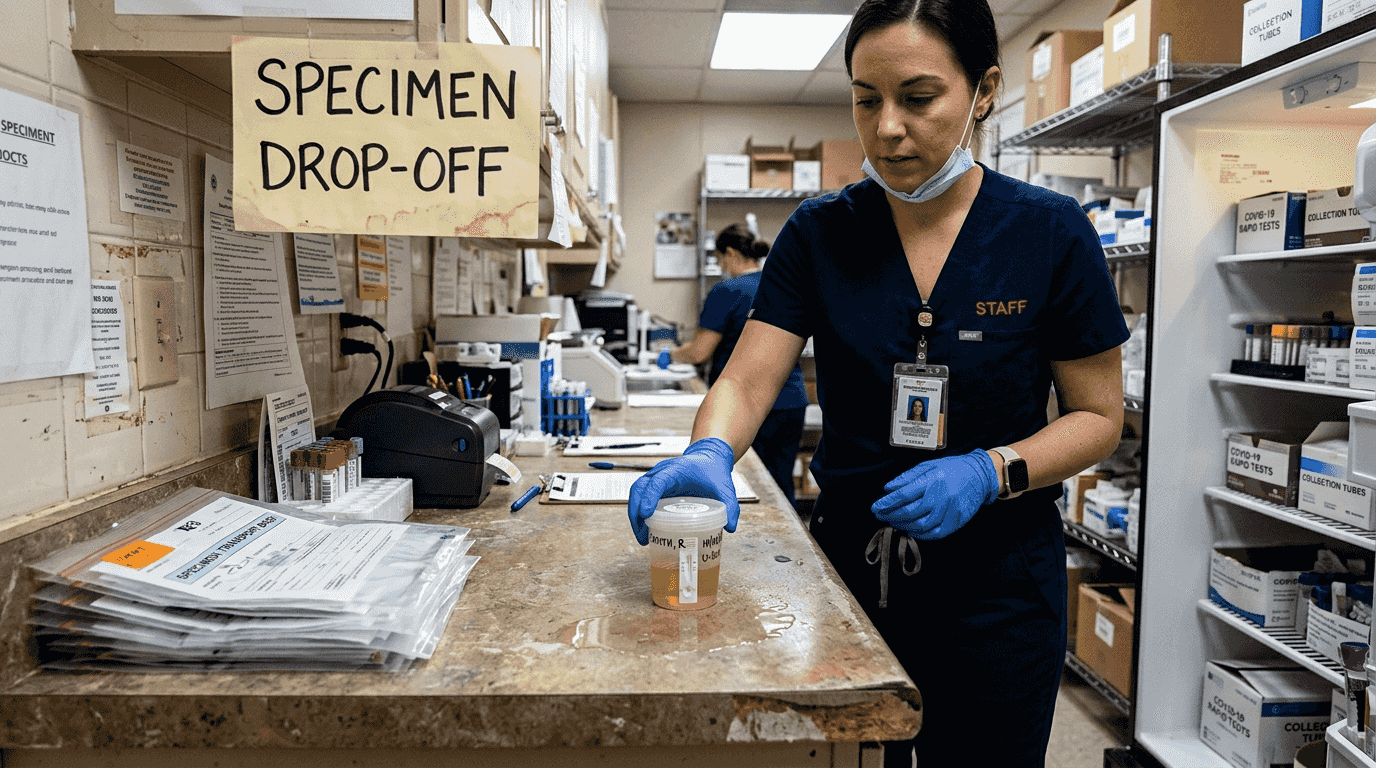
Dip cards offer flexibility with multiplex dip cards allowing detection of 10+ drug classes in under 10 minutes with high accuracy. These cards immerse in collected urine, displaying multiple test lines for different substances. This format balances cost and detection breadth, suitable for clinics requiring comprehensive screening without the premium of integrated cups. Comparing cup vs dip card drug tests clarifies when each format excels.
Test strips provide the most economical option for targeted screening. When only one or two substances need monitoring, strips reduce per-test costs significantly. However, they require separate specimen collection and careful handling to avoid contamination. Error rates rise with increased manual steps, so training and quality control become critical. The role of dip card tests and strip alternatives depends on program scale and budget constraints.
Pro Tip: Choose urine test cups for high-throughput environments to minimize contamination and handling errors. Opt for dip cards when balancing cost with multi-panel needs, and use strips for targeted, budget-conscious screening.
For multiplex screening, 5-panel rapid drug test cups deliver reliable detection of the most common substances in a single device, meeting federal and state compliance standards efficiently.
Common misconceptions about rapid screening accuracy
Myths about rapid screening reliability persist, undermining adoption despite robust evidence. Many professionals incorrectly believe rapid tests lack sufficient accuracy for compliance or clinical use. In reality, properly selected and administered rapid assays achieve over 90% specificity and sensitivity when operators follow protocols and match test panels to target substances.
One prevalent misconception claims false positives make rapid tests unreliable. False positives in immunoassay rapid screens often arise from cross-reactivity with structurally similar substances, not test failure. Common medications like ibuprofen, certain antibiotics, or pseudoephedrine can trigger false positives for specific drug classes. Understanding cross-reactivity helps operators anticipate and interpret unexpected results accurately.
Another myth suggests rapid tests are interchangeable, detecting all drugs equally well. Panel selection critically impacts performance. Tests designed for amphetamines may miss synthetic cathinones unless specifically formulated for those analogs. Operators must verify that chosen panels match the substances relevant to their setting. Mismatched panels lead to missed detections, not test unreliability.
Professional guidelines require confirmatory testing after positive rapid screens to ensure legal and clinical validity. Rapid screening provides preliminary results only; confirmatory analysis via mass spectrometry verifies findings before consequential decisions.
A final misconception treats rapid screening as diagnostic. Rapid methods serve as initial filters, flagging potential positives for further investigation. Over 90% of professional guidelines require confirmatory tests after positive rapid screens to meet forensic and clinical standards. Skipping confirmation invites legal challenges and diagnostic errors. For a comprehensive look at accuracy realities, consult drug test myths debunked accuracy facts 2026.
Key misconceptions debunked:
- Rapid tests are unreliable: False; they achieve over 90% accuracy with proper use.
- All rapid tests are the same: False; panel selection and quality certifications vary significantly.
- Rapid results are diagnostic: False; they are preliminary and require confirmatory testing.
- False positives indicate test failure: False; they often result from cross-reactivity, not faulty tests.
Regulatory and compliance considerations
Regulatory frameworks ensure rapid screening methods meet reliability and legal acceptance standards. FDA CLIA-waived status allows qualified facilities to perform tests without complex lab infrastructure, provided they maintain quality controls. FDA CLIA-waived approvals and quality certification standards ensure rapid screening tests meet reliability and legal acceptance criteria, enabling use in clinical, workplace, and forensic settings without full laboratory certification.
Key regulatory components include:
- FDA clearance confirming test performance meets federal safety and efficacy standards
- CLIA-waived classification permitting use in point-of-care settings
- Quality control lot testing verifying batch consistency and expiration dating
- Chain of custody protocols ensuring sample integrity for forensic applications
Compliance extends beyond initial test selection. Operators must document results, maintain calibration records for electronic readers, and follow manufacturer storage requirements. Temperature extremes, humidity, and expired reagents compromise accuracy, invalidating results legally and clinically. Regular internal audits and proficiency testing maintain standards.
Forensic and legal contexts impose stricter requirements. Courts demand documented chain of custody from collection through confirmation. Rapid screening initiates this chain, but improper handling or documentation gaps render results inadmissible. Clinical settings prioritize patient safety, requiring adherence to consent protocols and confidentiality standards under HIPAA.
Selecting FDA-approved, CLIA-waived tests protects organizations from liability and ensures defensible results. Non-compliant tests, even if cheaper, risk legal challenges and jeopardize program credibility. Investing in certified products and operator training safeguards compliance and operational integrity.
Practical trade-offs: balancing speed, cost, and accuracy
Choosing rapid screening methods involves weighing speed, cost, and accuracy against operational priorities. Rapid screening methods can lower drug testing costs by up to 70% compared to lab-based confirmatory testing alone, making them financially attractive for high-volume programs. However, cheaper tests may increase false positives, driving up confirmatory testing expenses and offsetting initial savings.
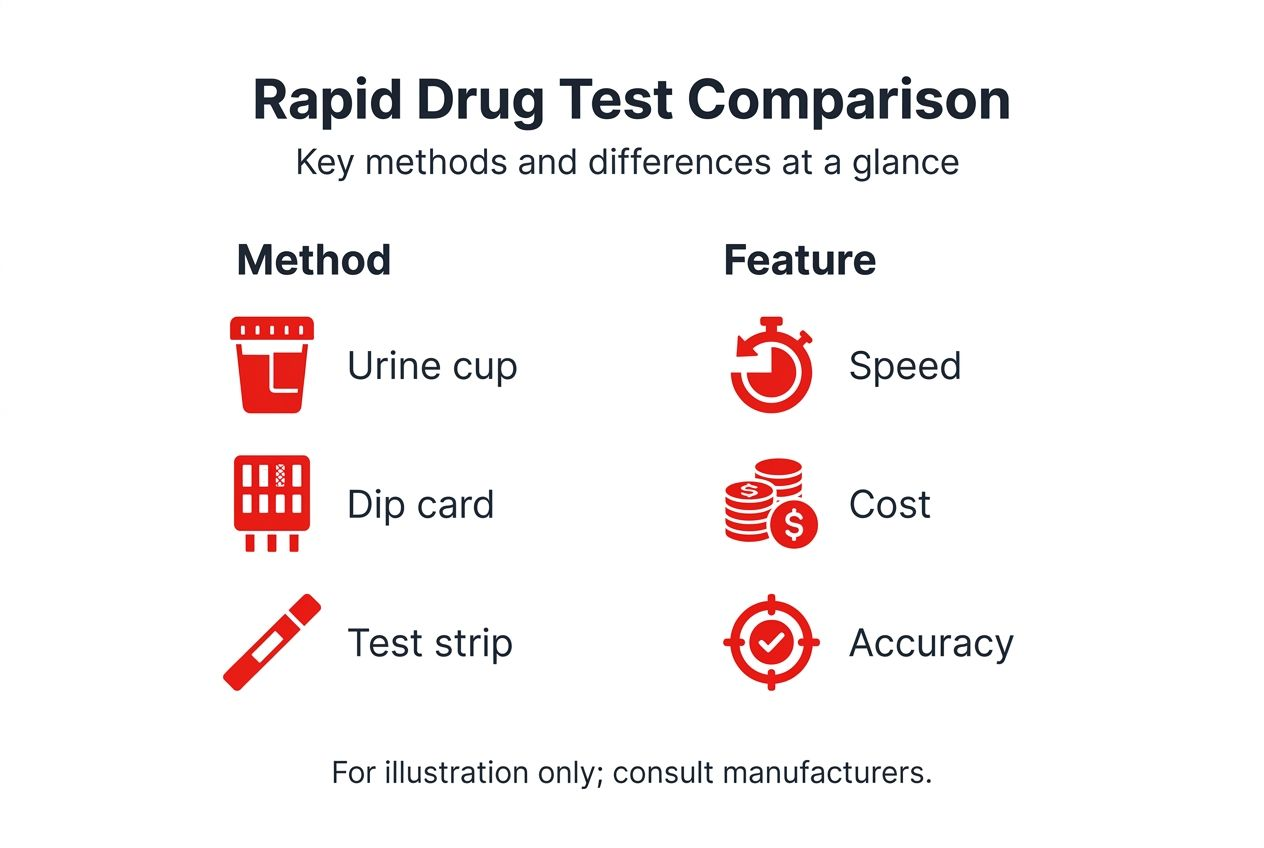
| Method | Speed (minutes) | Cost per Test | Typical False Positive Rate |
|---|---|---|---|
| Urine test cups | 5 to 10 | $5 to $10 | 3% to 5% |
| Dip cards | 5 to 10 | $3 to $7 | 4% to 6% |
| Test strips | 5 to 10 | $1 to $3 | 5% to 8% |
Speed advantages are consistent across formats, with all delivering results in under 10 minutes. This rapid turnaround reduces operational delays, enabling same-visit decisions in clinical settings and immediate actions in workplace or forensic contexts. Faster decisions improve patient care, reduce no-show rates for follow-up confirmations, and streamline enforcement processes.
Cost differences become significant at scale. A clinic testing 1,000 samples annually saves $4,000 using dip cards instead of cups, but may face 20 additional false positives requiring confirmation at $50 each, totaling $1,000. Net savings remain $3,000, but workflow interruptions and patient anxiety from false positives add hidden costs.
Accuracy trade-offs require careful evaluation:
- Higher-quality tests reduce false positives, lowering confirmation costs and patient distress
- Cheaper tests increase confirmation volume, consuming lab capacity and delaying final results
- Panel breadth affects detection coverage; single-strip savings vanish if multiple substances need screening
Pro Tip: Calculate total program costs including confirmatory testing, operator time, and workflow disruptions, not just per-test prices. Higher-quality rapid tests often deliver better value by reducing downstream expenses.
Balancing these factors depends on program goals. High-throughput workplace testing prioritizes speed and contamination control, favoring cups despite higher costs. Budget-limited clinics may accept slightly higher false positive rates with dip cards to maximize coverage. Targeted monitoring programs benefit from strip economies when screening specific substances.
Interpreting and confirming rapid screening results
Accurate result interpretation ensures reliable decision-making and compliance. Rapid tests display results as colored lines or symbols indicating positive, negative, or invalid outcomes. Operators must read results within the manufacturer-specified time window, typically 5 to 10 minutes, as color intensity fades over time.
Step-by-step interpretation process:
- Verify control line appearance confirming test validity; absent control lines indicate invalid results requiring repeat testing.
- Read test lines for each drug panel; any visible line, even faint, indicates negative results for that substance.
- Absent test lines with visible control lines indicate presumptive positive results requiring confirmatory testing.
- Document results immediately with timestamps, operator initials, and specimen identifiers for chain of custody.
- Initiate confirmatory testing for all positive and borderline results before making consequential decisions.
Confirmatory testing protocols depend on setting and consequences. Clinical programs may confirm positives to verify treatment compliance and adjust care plans. Workplace and forensic settings require confirmation to meet legal standards before disciplinary actions or prosecution. Confirmatory methods use gas chromatography-mass spectrometry or liquid chromatography-mass spectrometry, providing substance-specific identification and quantification that immunoassay cannot deliver.
Unexpected results demand careful handling. Negative results for known recent use may indicate specimen tampering, inadequate sample volume, or testing outside the detection window. Positive results for substances the donor denies using may stem from cross-reactivity with medications or dietary supplements. Operators should review medication lists, verify specimen integrity with temperature and adulterant checks, and repeat testing if tampering is suspected.
Comprehensive reporting includes:
- Test date, time, and operator identification
- Specimen collection and handling details
- Initial screening results for each panel
- Confirmatory testing orders and outcomes
- Interpretation comments addressing unexpected findings
For guidance on reading results accurately, review how to interpret drug test results and interpreting urine drug test results guide to avoid common pitfalls and ensure compliance.
Conclusion and best practice recommendations
Rapid screening methods deliver speed, affordability, and preliminary accuracy essential for effective drug testing programs. These tools enable timely decisions in clinical, workplace, and forensic settings, reducing delays inherent in laboratory confirmation alone. However, their role as preliminary screens, not diagnostic tools, demands confirmatory testing and strict adherence to regulatory standards.
Best practice checklist:
- Define testing needs: Identify target substances, detection windows, and volume requirements before selecting test formats.
- Verify regulatory status: Choose FDA-approved, CLIA-waived tests meeting quality and legal acceptance standards.
- Match drug panels: Ensure selected panels cover substances relevant to your setting to avoid missed detections.
- Train operators: Provide comprehensive training on specimen collection, test execution, result interpretation, and documentation.
- Implement confirmatory protocols: Establish clear pathways for confirmatory testing after positive and borderline rapid results.
- Maintain quality controls: Conduct regular lot testing, equipment calibration, and proficiency assessments to ensure consistent performance.
- Monitor compliance: Audit documentation, chain of custody, and adherence to protocols to safeguard legal defensibility.
Ongoing quality control and compliance monitoring protect program integrity and ensure reliable outcomes. Regular reviews identify training gaps, equipment issues, or procedural deviations before they compromise results. Investing in operator education and quality systems maximizes the value of rapid screening investments.
Applying these criteria optimizes drug testing workflows, balancing speed and cost with accuracy and compliance. Professionals equipped with this knowledge can confidently select and implement rapid screening methods that meet operational goals while maintaining legal and clinical standards.
Explore effective rapid screening products
Ready to implement the best practices outlined in this guide? Trusted rapid screening products simplify compliance and streamline workflows for laboratories and clinics. The 12 panel adltx cup combines FDA-approved multiplex detection with integrated adulteration testing, ensuring reliable preliminary results in under 10 minutes.
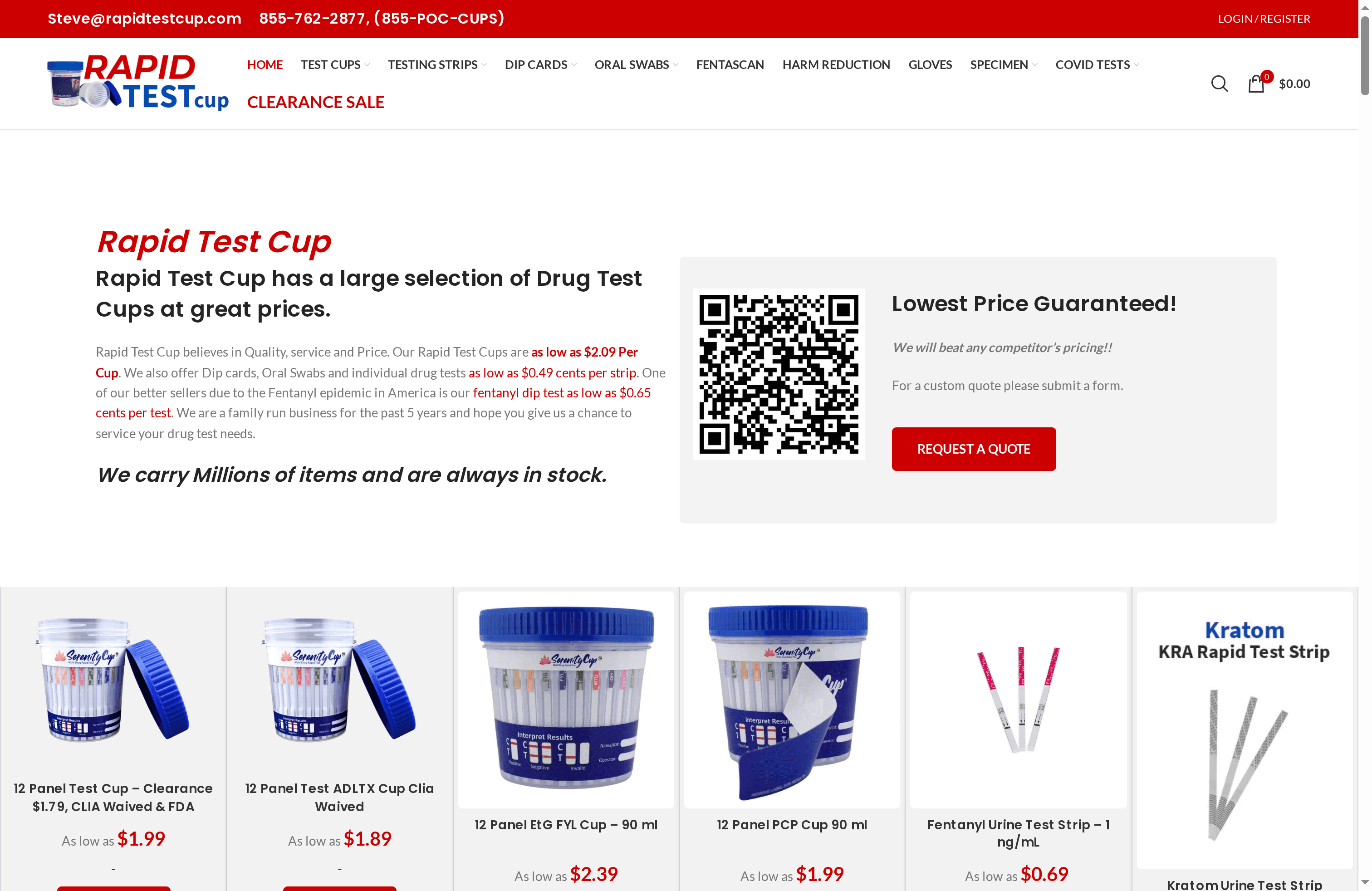
For flexible multi-drug detection, the 12 panel dip card offers cost-effective screening with comprehensive panel coverage. Targeted monitoring programs benefit from the met drug test strip, delivering single-substance detection at budget-friendly prices. Explore these options to match your operational needs with proven, compliant rapid screening solutions.
FAQ
What are the main types of rapid screening methods?
Rapid screening methods mainly include urine test cups, dip cards, and test strips, each varying in cost, ease of use, and panel breadth. Urine cups integrate collection and testing in sealed devices, reducing contamination. Dip cards offer multi-panel options requiring separate specimen collection, while strips provide budget-friendly single-drug detection suited for targeted screening.
How accurate are rapid drug screening tests?
Properly administered rapid tests reach over 90% sensitivity and specificity, comparable to initial laboratory screening. Accuracy depends on correct specimen handling, operator training, and matching test panels to target substances. Cross-reactivity with medications can cause false positives, which confirmatory testing resolves.
When is confirmatory testing necessary?
Confirmatory testing is required for all positive rapid screening results to legally and clinically verify findings before consequential decisions. It’s also recommended for borderline or unexpected results, ensuring accuracy and defensibility. Professional guidelines mandate confirmation for forensic and workplace applications to meet legal standards.
What regulatory approvals should be verified before using rapid tests?
Check for FDA CLIA-waived status to ensure tests meet quality and usage standards for clinical and forensic settings without full laboratory certification. Compliance with quality certification standards assures legal defensibility, consistent performance, and acceptance in workplace and court applications.