

Blog
Synthetic urine explained: uses, science, and risks


TL;DR:
- Synthetic urine replicates natural urine’s chemical properties for laboratory, medical, and manufacturing uses.
- Advanced detection methods enable labs to distinguish synthetic from real urine despite high-quality formulations.
- It is primarily used for calibration, training, quality control, and research, not just cheating.
Most people hear “synthetic urine” and immediately think of someone trying to cheat a drug test. That assumption misses the bigger picture by a wide margin. Synthetic urine is a precision-engineered fluid used in laboratories, manufacturing facilities, and medical training programs around the world. It’s formulated to mimic the chemical and physical properties of real human urine without the biohazard risk. This guide breaks down what synthetic urine actually is, how it’s made, where it’s legitimately used, and why modern labs are getting better at telling the real thing from a substitute.
Table of Contents
- What is synthetic urine?
- Legitimate uses of synthetic urine
- How advanced synthetic urine is formulated and controlled
- Detection and limitations: can labs detect synthetic urine?
- Why the real story of synthetic urine matters more than the myths
- Explore drug testing solutions that put science and safety first
- Frequently asked questions
Key Takeaways
| Point | Details |
|---|---|
| Precision-engineered fluid | Synthetic urine is carefully formulated to match the chemistry of human urine for laboratory use. |
| Legitimate lab applications | Its main role is in calibration, medical device testing, and product quality assurance. |
| Modern labs detect fakes | By 2026, multi-stage testing and biomarker screening expose most synthetic urine used for evasion. |
| Powder vs. liquid formats | Powdered synthetic urine boasts longer shelf life, while liquid is convenient but less stable over time. |
What is synthetic urine?
Synthetic urine is a laboratory-formulated liquid or powder designed to replicate the composition of natural human urine. It is not a byproduct of any biological process. Instead, chemists build it from scratch using specific compounds that mirror what the human body naturally excretes.
The core ingredients include:
- Water: The base solvent, making up roughly 95% of the final product
- Urea: The primary nitrogen-containing compound found in real urine
- Creatinine: A metabolic waste product used as a key validity marker in drug tests
- Uric acid: Present in human urine and often included to improve authenticity
- Salts and minerals: Sodium chloride, potassium chloride, and phosphates that match real urine’s ionic balance
- Colorants: Yellow dyes that replicate the visual appearance of natural urine
- pH buffers: Compounds that keep the solution within the normal urine pH range of 4.5 to 8.5
Each ingredient serves a specific purpose. Creatinine, for example, is one of the first things a lab checks during a validity test. If it’s missing or out of range, the sample is flagged immediately.
Synthetic urine is available in liquid or powdered form, with liquid versions being ready to use but having a shorter shelf life, while powdered versions require mixing with water and last considerably longer. The powdered form is often preferred for storage and transport, while liquid is favored for convenience in controlled lab settings.
Here’s a quick comparison of synthetic versus real urine across key properties:
| Property | Synthetic urine | Real urine |
|---|---|---|
| Chemical consistency | Standardized, batch-controlled | Varies by individual, diet, health |
| Biohazard risk | None | Present (pathogens, viruses) |
| Shelf life | Months to years (powdered) | Hours to days (refrigerated) |
| Creatinine level | Precisely calibrated | Fluctuates naturally |
| pH range | Controlled within 4.5 to 8.5 | Variable |
| Uric acid presence | Formulation-dependent | Always present |
The table above makes one thing clear: for repeatable, safe testing environments, synthetic urine offers advantages that real urine simply cannot match.
Legitimate uses of synthetic urine
The scientific and commercial world depends on synthetic urine far more than most people realize. Its value comes from one core trait: predictability. Real urine changes based on what a person ate, their hydration level, their medications, and dozens of other variables. Synthetic urine does not.
Here are the primary legitimate applications:
- Lab equipment calibration: Testing devices must be calibrated regularly to produce accurate results. Using a standardized fluid ensures the machine is reading correctly, not the sample.
- Medical device testing: Catheters, urinalysis analyzers, and diagnostic tools are tested with synthetic urine before they ever touch a real patient.
- Urinalysis training: Medical students and lab technicians practice specimen handling and analysis without exposure to infectious materials.
- Product testing: Diapers, adult incontinence products, and cleaning solutions are evaluated using synthetic urine to simulate real-world performance.
- Quality control in manufacturing: Factories producing urine-contact products need a consistent test fluid to benchmark against.
- Research applications: Studies examining urinary biomarkers or drug metabolism use synthetic urine as a controlled baseline.
As noted in manufacturing standards research, legitimate uses span calibrating drug testing equipment, medical device testing, urinalysis training, quality control in labs, research, and product testing. These aren’t niche applications. They’re foundational to how modern healthcare and consumer product industries operate.
“High-fidelity synthetic urine allows labs to run validation protocols without ever handling a biohazardous specimen. That’s not a workaround. That’s good science.”
Understanding the urine testing benefits for labs and clinics helps put this in context. When you know what accurate testing requires, the role of synthetic urine in maintaining those standards becomes obvious.
Pro Tip: Labs sourcing synthetic urine should verify that the product is certified, batch-tested, and chemically matched to current clinical validity standards. A cheap, poorly formulated product can throw off calibration and compromise results across an entire testing cycle. The urine drug test advantages for lab managers are only realized when the test fluid itself is reliable.
How advanced synthetic urine is formulated and controlled
Producing a high-fidelity urine simulant is not as simple as mixing a few chemicals together. Manufacturers must hit precise targets across multiple parameters simultaneously, and those targets must hold stable over time.
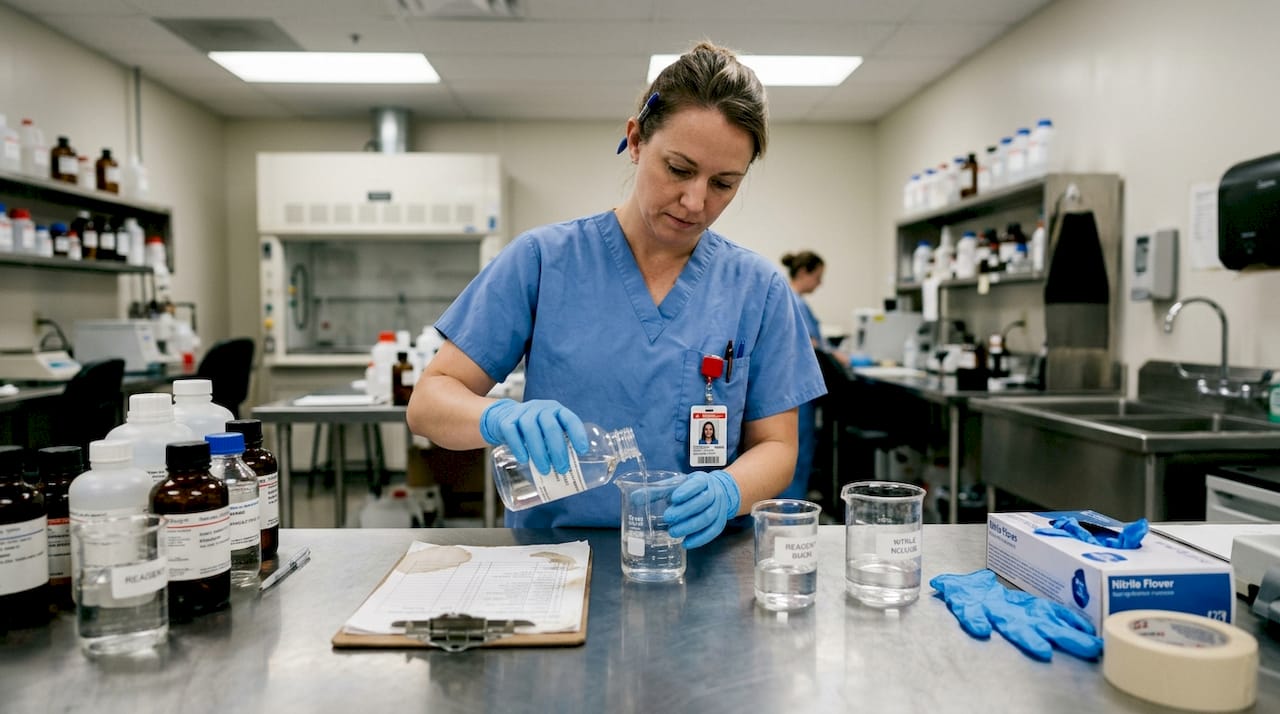
High-fidelity synthetic urine is engineered for consistency and stability, specifically to avoid the biohazards associated with real urine. That engineering involves several layers of quality control.
Key formulation challenges include:
- Molecular accuracy: Urea and creatinine concentrations must fall within clinically accepted ranges or the product fails validity testing
- Specific gravity control: Real urine has a specific gravity between 1.003 and 1.030. Synthetic versions must match this range precisely
- pH stability: The buffer system must maintain pH over the product’s shelf life, even with temperature fluctuations
- Absence of infectious agents: Unlike real urine, synthetic versions carry no bacterial, viral, or fungal contamination risk
- Reproducibility: Every batch must perform identically to the last for calibration to be meaningful
Here’s how quality control compares between synthetic and real urine samples:
| Quality factor | Synthetic urine | Real urine samples |
|---|---|---|
| Batch-to-batch consistency | High, controlled | Low, highly variable |
| Infectious hazard | None | Requires handling protocols |
| Storage requirements | Room temperature (powdered) | Refrigerated, time-limited |
| Regulatory compliance | Manufactured to spec | Chain-of-custody dependent |
| Validity marker accuracy | Calibrated | Naturally variable |
Advanced detection methods are evolving rapidly, which pushes manufacturers to improve formulations just as quickly. Understanding drug testing accuracy and clinical test accuracy helps explain why formulation precision matters so much. A product that passed detection five years ago may not pass today. Labs that want to avoid false positives and false negatives need test fluids that are engineered to current standards, not outdated ones.
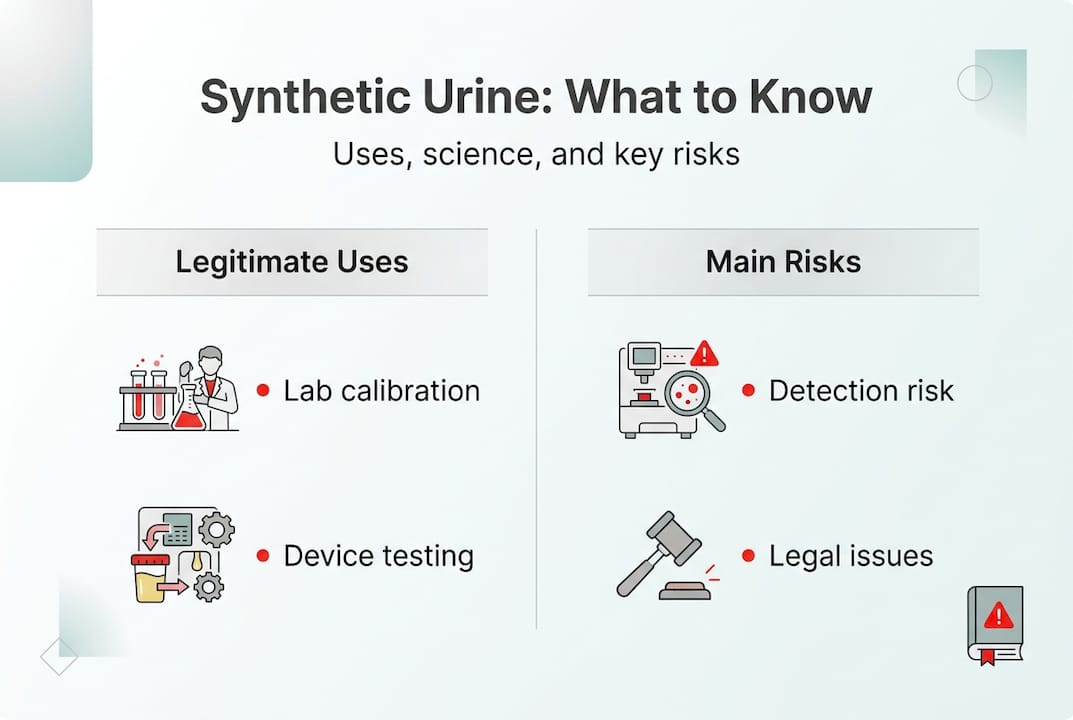
Detection and limitations: can labs detect synthetic urine?
Here’s where the conversation gets technically interesting. If synthetic urine is so well-formulated, why can’t it consistently fool a modern lab?
The answer is that modern labs don’t just look for drugs. They validate the specimen itself before running any drug panel. That two-step process is where most synthetic urine products fail.
Five methods labs use to detect synthetic urine:
- Temperature check: Fresh human urine exits the body between 90°F and 100°F. A sample outside that window at the time of collection is immediately suspicious.
- pH and specific gravity testing: Both must fall within human physiological ranges. Synthetic products that miss these markers are flagged instantly.
- Creatinine and oxidant screening: Low creatinine or the presence of chemical oxidants (like bleach or nitrites) signals tampering or substitution.
- Visual and chemical panel checks: Color, clarity, and foam behavior can indicate a non-biological sample, especially in supervised settings.
- GC-MS analysis: Gas chromatography-mass spectrometry can identify molecular discrepancies or missing human-specific biomarkers that no synthetic formula currently replicates perfectly.
As of 2026, modern labs detect most synthetics via multi-stage validity testing, even when basic checks are passed. The gap between what a synthetic product can replicate and what a lab can measure has narrowed dramatically.
Comparing urine vs saliva drug tests also reveals why urine remains the most scrutinized specimen type. Its complexity makes it harder to fake convincingly at scale.
Pro Tip: Supervised or directly observed testing eliminates most substitution attempts before any chemical analysis is needed. If you’re managing a testing program, direct observation protocols are your first and most effective line of defense.
Some products still advertise themselves as undetectable. The reality is that detection technology moves faster than formulation science. Using an accurate urine test guide and understanding types of urine test strips helps labs stay ahead of substitution attempts.
Why the real story of synthetic urine matters more than the myths
The conversation around synthetic urine is almost entirely dominated by one angle: cheating. That focus distorts the actual significance of this technology.
The truth is that major advances in drug testing accuracy, medical device safety, and consumer product quality have been made possible by reliable synthetic urine. Without a safe, consistent test fluid, labs would face constant biohazard exposure just to calibrate their equipment. Diaper manufacturers would need to collect and store real human specimens at scale. Medical students would train on infectious materials from day one.
None of that is practical. Synthetic urine solved real problems long before it became a headline.
The future will bring more specialized simulants with tighter molecular profiles, and labs will respond with more sensitive detection methods. That’s not a cat-and-mouse game. It’s science improving on both sides of the equation. The legitimate applications will benefit most from those advances.
Focusing only on evasion ignores the forensic drug testing importance that drives innovation in this field. The ethics and innovation around synthetic urine deserve a more serious conversation than sensational headlines allow.
Explore drug testing solutions that put science and safety first
If this breakdown has clarified how complex and consequential urine testing really is, the next step is making sure your testing setup matches that standard. Cutting corners on test quality means cutting corners on accuracy.
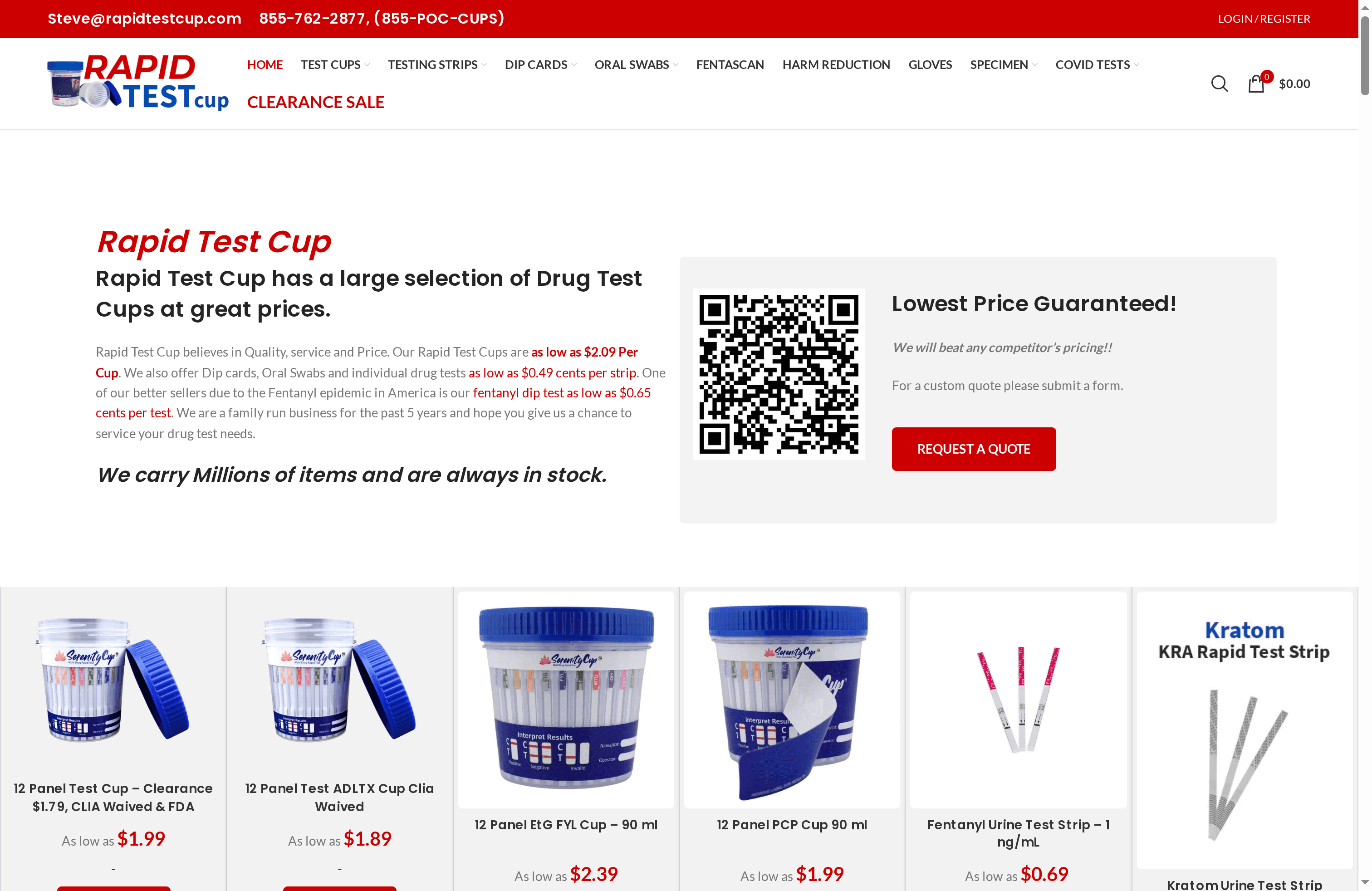
At RapidTestCup, we stock professional-grade supplies built for labs, clinics, and compliance programs that need results they can trust. From affordable 12 panel drug test cups to a full breakdown of lab urine testing benefits, we make it easy to find what you need. Want to know which format fits your workflow? Browse our guide on urine test strip types to match the right tool to your testing environment. Science-backed, safety-first, and built for volume.
Frequently asked questions
What is the main difference between liquid and powdered synthetic urine?
Liquid synthetic urine is ready to use but has a shorter shelf life, while powdered synthetic urine requires mixing with water and lasts significantly longer in storage.
Are there legitimate uses for synthetic urine outside of cheating drug tests?
Yes. It is widely used for calibrating lab equipment, medical device testing, urinalysis training, and consumer product quality control.
Can modern drug testing labs detect synthetic urine?
Most labs in 2026 can detect synthetic urine using multi-stage validity checks including temperature, creatinine levels, specific gravity, and biomarker screening.
Why do labs prefer synthetic urine for equipment calibration?
Synthetic urine offers consistency and avoids the biohazard risks of real human urine, making it safer and more reliable for repeated calibration use.