Blog
How to select test panels for accurate drug screening


Selecting the right drug test panel is a critical decision that impacts compliance, accuracy, and cost efficiency in laboratories, clinics, and law enforcement settings. Professionals often struggle to balance comprehensive drug coverage with regulatory requirements and budget constraints. This guide provides a practical, step-by-step approach to choosing test panels tailored to your specific testing environment, helping you navigate panel options, compliance standards, and verification protocols to achieve reliable, legally defensible results every time.
Table of Contents
- Key takeaways
- Assessing your testing needs and compliance requirements
- Understanding types of test panels and their drug coverage
- Selecting materials and executing testing accurately
- Avoiding common mistakes and verifying results
- Reliable drug test panel solutions from RapidTestCup
- Frequently asked questions
Key Takeaways
| Point | Details |
|---|---|
| Regulatory alignment | Identify applicable federal, state, and local rules and ensure the panel meets or exceeds them. |
| Substance relevance | Identify the drugs most relevant to your setting, such as marijuana, cocaine, amphetamines, and opioids, and broaden for law enforcement or clinical needs. |
| Confirmatory testing plan | Build a two step protocol with initial rapid screening followed by laboratory confirmation using gas chromatography mass spectrometry or liquid chromatography tandem mass spectrometry to withstand legal scrutiny. |
| Chain of custody | Choose test kits that support proper labeling, tamper evident seals, and integrated documentation to meet forensic and legal requirements. |
| Panel coverage spectrum | Drug test panels range from basic five substance tests to comprehensive twenty two or more tests, with the standard five panel meeting federal needs but missing many prescription and synthetic drugs. |
Assessing your testing needs and compliance requirements
Successful panel selection begins with a thorough understanding of your testing environment and the external factors that shape your requirements. Proper selection of test panels begins with understanding regulatory and client-specific requirements.
Start by identifying the substances most relevant to your testing context. Workplace testing programs typically focus on common drugs of abuse like marijuana, cocaine, amphetamines, and opioids. Law enforcement settings may require broader panels that include synthetic cannabinoids, benzodiazepines, and emerging psychoactive substances. Clinical programs treating substance abuse patients often need specialized panels targeting prescription medications and designer drugs.
Regulatory compliance forms the foundation of panel selection. Federal guidelines like those from the Department of Transportation mandate specific 5-panel tests for safety-sensitive positions. State laws vary widely, with some requiring expanded panels or specific cutoff levels. Local regulations may add additional substances or testing frequencies. You must know which rules apply to your organization and ensure your chosen panels meet or exceed these standards.
Consider your testing frequency and the sensitivity levels required. Pre-employment screening differs from random testing or reasonable suspicion scenarios. High-risk populations may justify more comprehensive panels, while routine monitoring might use targeted options. Legal thresholds for positive results vary by jurisdiction and substance, affecting which panels provide appropriate detection limits.
Pro Tip: Always plan for confirmatory testing from the start. Initial screening tests provide rapid results, but positive findings require laboratory confirmation using gas chromatography-mass spectrometry or liquid chromatography-tandem mass spectrometry to withstand legal scrutiny. Build this two-step process into your testing protocol and budget.
Chain of custody requirements also influence panel selection. Forensic and legal applications demand strict documentation from collection through analysis. Choose test kits that support proper labeling, tamper-evident seals, and integrated documentation systems. Understanding these factors upfront prevents costly mistakes and ensures your testing program achieves its intended goals.
Understanding types of test panels and their drug coverage
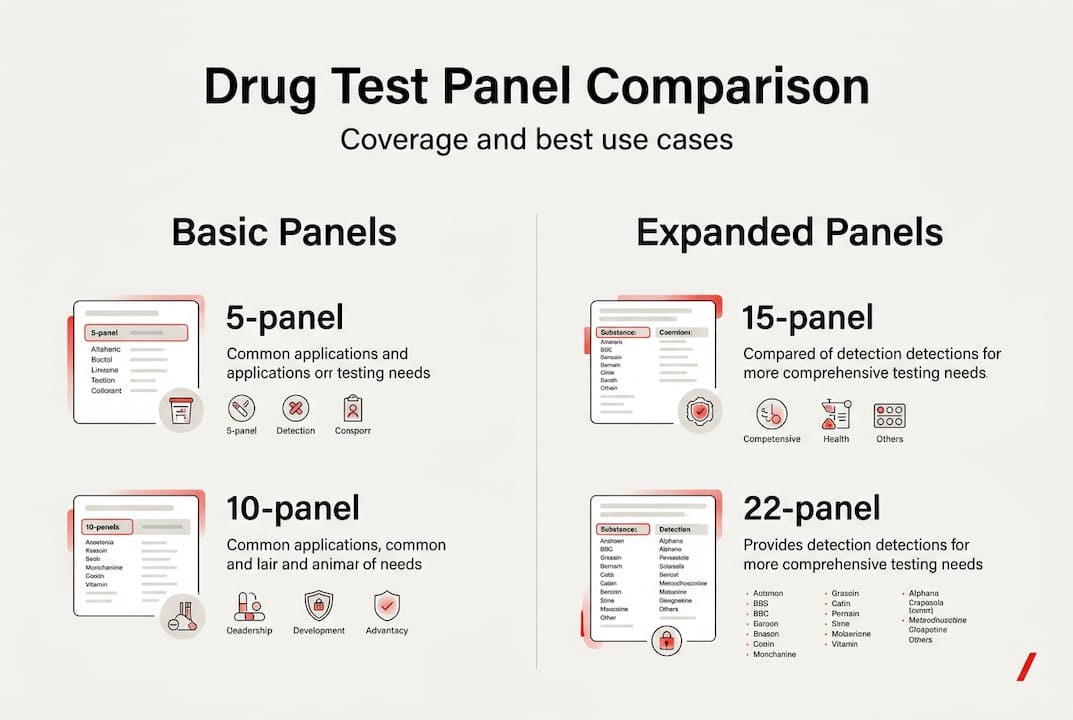
Drug test panels range from basic configurations detecting five substances to comprehensive options screening for 22 or more drugs and adulterants. Different test panels vary widely in the drugs detected and are chosen based on accuracy and compliance needs.
The standard 5-panel test screens for marijuana (THC), cocaine, amphetamines, opiates, and phencyclidine (PCP). This configuration satisfies federal workplace testing requirements and provides baseline coverage for most employment scenarios. However, it misses many prescription medications and synthetic drugs that have become increasingly prevalent.
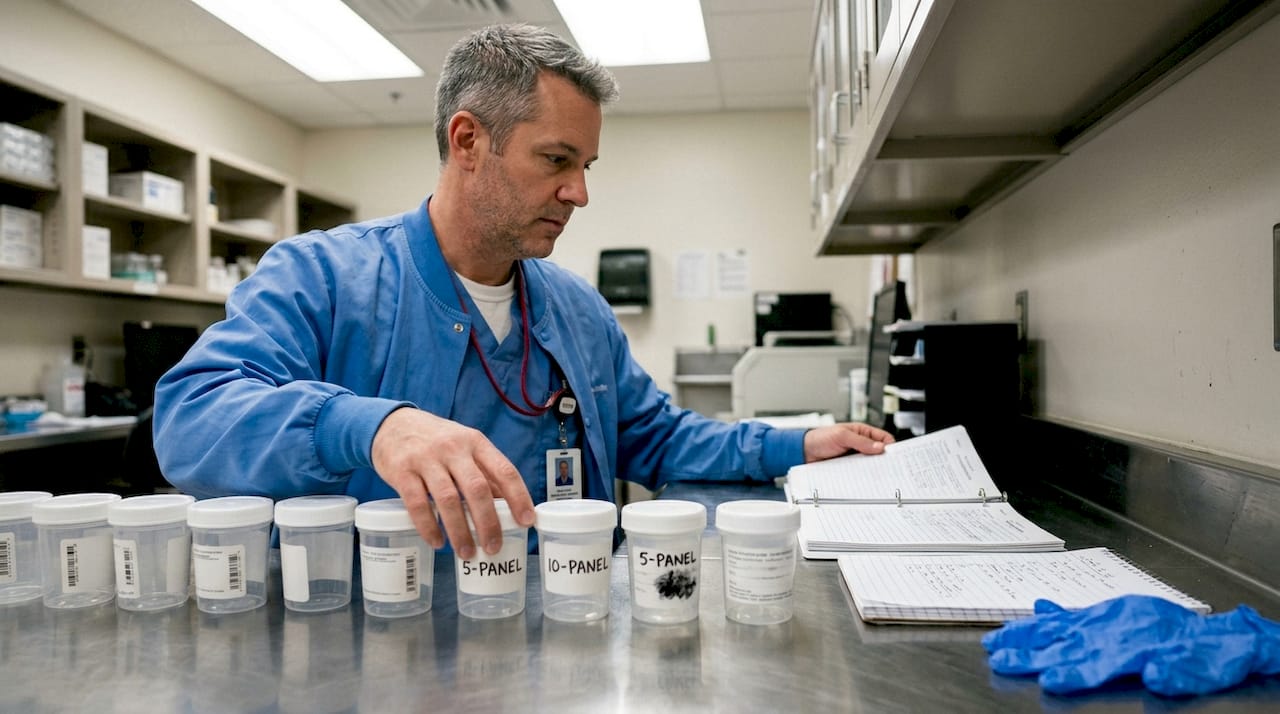
Expanded panels offer broader coverage. A 10-panel test typically adds benzodiazepines, barbiturates, methadone, propoxyphene, and methaqualone to the basic five. The 12-panel configuration often includes oxycodone, buprenorphine, and MDMA (ecstasy). These mid-range options balance comprehensive screening with reasonable costs, making them popular in clinical and workplace settings where prescription drug abuse is a concern.
Comprehensive panels like 15 or 22-drug configurations provide maximum coverage. These include synthetic opioids like fentanyl, designer stimulants, and multiple benzodiazepine variants. They also frequently incorporate adulterant testing to detect attempts at sample manipulation through dilution, substitution, or chemical interference.
| Panel type | Typical drugs covered | Best use cases | Considerations |
|---|---|---|---|
| 5-panel | THC, cocaine, amphetamines, opiates, PCP | DOT compliance, basic workplace screening | Misses prescription drugs and synthetics |
| 10-panel | 5-panel plus benzodiazepines, barbiturates, methadone, propoxyphene, methaqualone | General workplace, clinical programs | Good balance of coverage and cost |
| 12-panel | 10-panel plus oxycodone, buprenorphine, MDMA | Healthcare, substance abuse treatment | Captures common prescription opioids |
| 15-panel with adulterants | 12-panel plus fentanyl, tramadol, K2, plus validity tests | Law enforcement, forensic, high-risk populations | Maximum coverage, higher cost |
Adulterant testing deserves special attention. Sophisticated test subjects may attempt to invalidate samples using oxidizing agents, acids, or excessive water intake. Multi-panel cups with integrated adulterant detection screen for abnormal pH, specific gravity, creatinine, nitrites, and oxidants. This added layer prevents false negatives and protects the integrity of your testing program.
Choose panels based on the specific drugs of concern in your population. A construction company faces different risks than a pain management clinic. Review incident data, regional drug trends, and regulatory guidance to match panel coverage with actual threats. Higher panel numbers increase detection capability but also raise costs and may slightly extend result interpretation time.
Selecting materials and executing testing accurately
Quality materials and proper execution determine whether your testing program produces reliable, defensible results. Proper materials and execution are critical to prevent false positives or negatives and maintain chain of custody.
-
Choose FDA-cleared or CLIA-waived test kits. These designations confirm the manufacturer has demonstrated accuracy and reliability through rigorous validation studies. CLIA-waived status allows use in physician offices and clinics without complex laboratory certification, expanding testing accessibility while maintaining quality standards.
-
Select specimen collection cups with integrated temperature strips. Valid urine samples fall within 90 to 100 degrees Fahrenheit within four minutes of collection. Temperature verification immediately identifies substitution attempts, the most common form of sample tampering. Modern collection cups include color-changing strips that provide instant visual confirmation.
-
Implement strict chain of custody protocols. Every sample must be tracked from collection through final disposition with documented transfers between authorized personnel. Use pre-printed custody forms, tamper-evident seals, and unique specimen identifiers. Train all staff on proper documentation procedures, as gaps in the chain can invalidate results in legal proceedings.
-
Train collection staff thoroughly and regularly. Proper technique prevents contamination, ensures adequate sample volume, and maintains donor privacy and dignity. Staff must understand how to verify donor identity, detect substitution attempts, observe without violating privacy, and handle unusual situations like shy bladder or medical conditions affecting sample provision.
-
Read and interpret results carefully according to manufacturer instructions. Most immunoassay screening tests use colored lines to indicate negative results, with line absence suggesting a positive finding. Faint lines still count as negative. Confirm all non-negative results through laboratory testing before taking adverse action. Document results immediately and store test devices according to your retention policy.
Pro Tip: Establish standard operating procedures for every step of your testing process, from donor notification through result reporting. Written protocols reduce variability, support staff training, and demonstrate good faith compliance efforts if your program faces legal challenges. Review and update procedures annually to incorporate new best practices and regulatory changes.
Maintain proper storage conditions for test kits. Most require room temperature storage away from direct sunlight and moisture. Check expiration dates before use, as expired tests may produce unreliable results. Keep adequate inventory to avoid rushed orders or substituting inappropriate panel types due to stock shortages.
Avoiding common mistakes and verifying results
Even experienced testing programs fall prey to preventable errors that compromise accuracy and legal defensibility. Errors in choosing inappropriate panels or misinterpreting results risk costly retesting and legal problems.
The most frequent mistake is overtesting or undertesting for the actual risk profile. Organizations sometimes choose the most comprehensive panel available without considering whether all substances tested are relevant to their context. This wastes resources and may create unnecessary privacy concerns. Conversely, relying solely on basic 5-panel tests when prescription drug abuse is prevalent in your population creates dangerous blind spots.
Ignoring state and local regulations represents another critical error. Federal guidelines provide a baseline, but many jurisdictions impose additional requirements. Some states mandate specific cutoff levels, require testing for particular substances, or restrict the circumstances under which testing can occur. Failing to research applicable laws exposes your organization to legal liability and potentially invalidates your entire testing program.
Using outdated panels that miss emerging threats undermines testing effectiveness. The drug landscape evolves constantly, with new synthetic opioids, stimulants, and cannabinoids appearing regularly. Fentanyl analogs now drive overdose deaths, yet older test panels may not detect them. Review your panel selection annually and monitor drug trends in your region through public health data and law enforcement reports.
Validation and confirmation protocols require careful attention. Never take adverse employment, legal, or clinical action based solely on screening test results. All non-negative findings must undergo confirmatory laboratory analysis using different methodology. Gas chromatography-mass spectrometry provides definitive identification and quantification, distinguishing true positives from cross-reactivity or interference.
| Common mistake | Consequence | Prevention strategy |
|---|---|---|
| Choosing panels without regulatory review | Non-compliance, legal exposure | Consult federal, state, and local requirements before selection |
| Ignoring population-specific risks | Missed detections, program ineffectiveness | Analyze incident data and regional drug trends annually |
| Inadequate chain of custody | Invalidated results, lost legal cases | Implement documented procedures with regular staff training |
| Skipping confirmation testing | False positives, wrongful termination claims | Require lab confirmation for all non-negative screening results |
| Neglecting adulterant detection | Sample manipulation goes undetected | Use panels with integrated validity testing |
Document every aspect of your testing process meticulously. Maintain records of policy development, staff training, equipment calibration or validation, individual test results, and confirmation analyses. Thorough documentation supports program audits, defends against legal challenges, and demonstrates good faith compliance efforts.
Stay current with emerging psychoactive substances. Synthetic cannabinoids, cathinones, and novel opioids appear faster than testing technology can adapt. Subscribe to alerts from the Drug Enforcement Administration, monitor scientific literature, and participate in professional networks to learn about new threats. Update your panels proactively rather than reactively after incidents occur.
Use temperature strips and adulterant indicators on every sample. These simple, inexpensive measures catch the majority of tampering attempts. Samples outside normal temperature range or showing abnormal pH, specific gravity, or chemical markers should be rejected and recollected under direct observation. This protects your program from manipulation and ensures result validity.
Reliable drug test panel solutions from RapidTestCup
Implementing the guidance in this article requires access to high-quality, compliant testing materials that support accurate results and proper procedures. RapidTestCup offers FDA-cleared multi-panel drug tests designed specifically for professional applications in laboratories, clinics, and law enforcement settings.
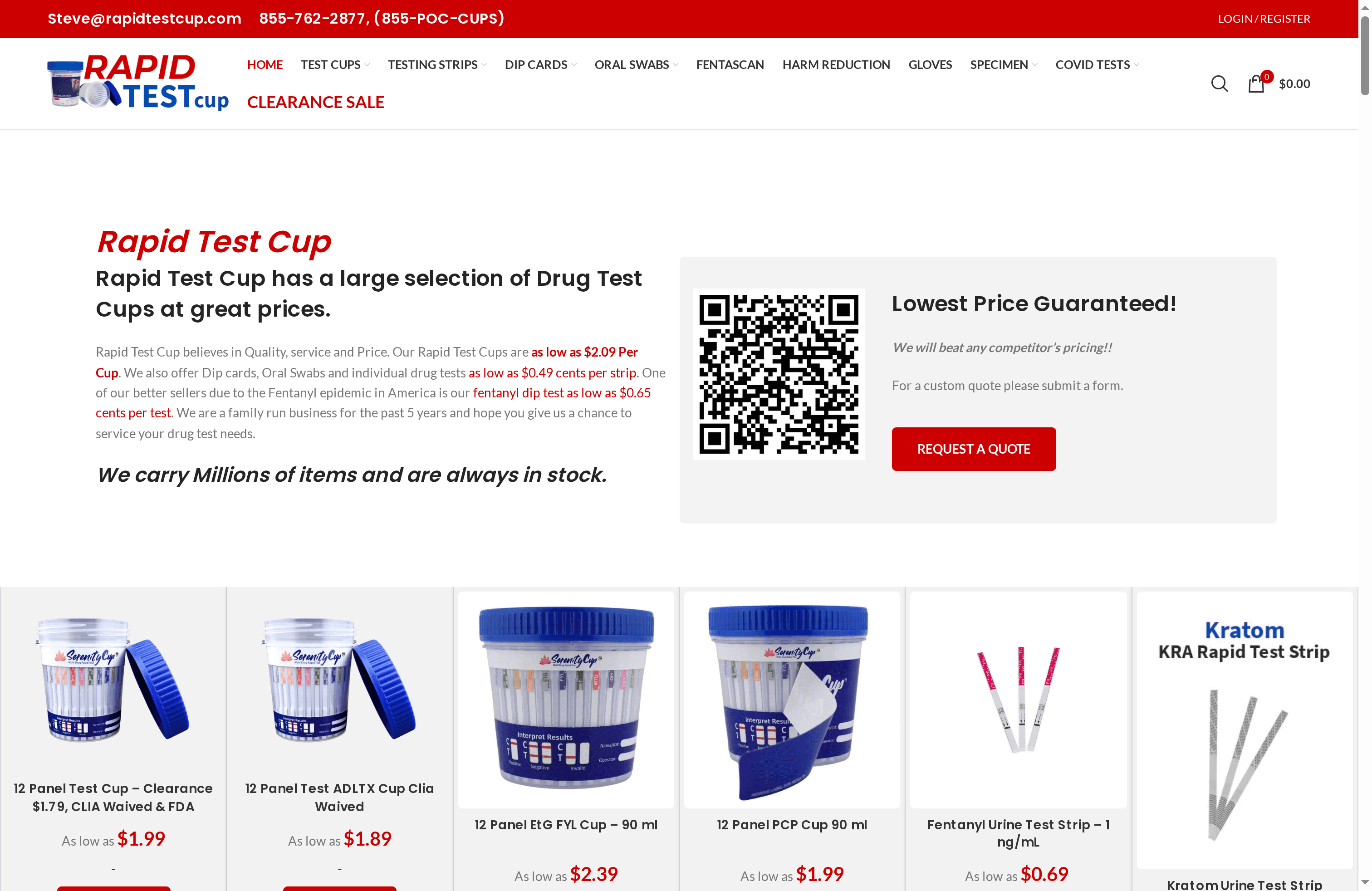
The 12 panel ADLTX cup provides comprehensive screening for common drugs of abuse plus adulterant detection, combining broad coverage with sample validity verification in a single integrated device. For maximum protection, the 15 panel drug test with adulterants adds synthetic cannabinoids and expanded opioid detection to address emerging threats. Each product includes clear instructions, built-in temperature strips, and tamper-evident features supporting chain of custody requirements. Browse the complete catalog to find panels matched to your specific compliance and operational needs, backed by expert guidance on selecting drug test panels for your unique testing environment.
Frequently asked questions
What factors should influence my choice of test panel?
Your panel selection should reflect testing purpose, applicable regulatory requirements, substances of concern in your population, budget constraints, and required accuracy levels. Balance comprehensive coverage against relevance to actual risks. A pain management clinic needs different panels than a manufacturing facility, even though both conduct workplace testing.
How often should drug test panels be reviewed or updated?
Review your panel selection at least annually, or immediately when new psychoactive substances emerge in your region or regulatory requirements change. The drug landscape evolves rapidly, with synthetic opioids and designer drugs appearing regularly. Staying current prevents gaps in your testing coverage that could compromise safety or compliance.
What are common mistakes to avoid when selecting test panels?
Avoid selecting panels without first reviewing applicable federal, state, and local regulations, as requirements vary significantly by jurisdiction and industry. Do not ignore population-specific risks or rely on outdated basic panels when prescription drug abuse or synthetic substances are prevalent. Always match panel coverage to actual threats rather than choosing based solely on cost or convenience.
Can multi-panel tests detect adulterants or synthetic drugs?
Many advanced multi-panel tests now include integrated adulterant detection that screens for dilution, substitution, and chemical interference. The 15 panel drug test with adulterants combines comprehensive drug screening with validity testing in a single device. Some specialized panels also detect synthetic cannabinoids like K2 and Spice, along with fentanyl analogs that have become increasingly prevalent. Check panel specifications carefully to confirm coverage of specific substances relevant to your testing program.