Blog
Workplace drug testing best practices: HR guide 2026


TL;DR:
- Effective workplace drug testing requires clear policies, legal compliance, and proper sample handling procedures.
- Choosing appropriate testing methods like urine, oral fluid, or hair depends on detection window and use case.
- Balancing safety, privacy, and evolving laws is critical for fair, defensible drug testing programs.
Building a workplace drug testing program that is safe, fair, and legally sound is harder than most HR guides let on. Inconsistent policies, unclear roles, and outdated procedures can expose your organization to costly lawsuits, regulatory fines, or worse, a workplace accident. Workplace drug positivity rates are rising, with US averages near 4.6% in 2026, meaning the stakes for getting this right have never been higher. This guide walks you through the core building blocks of an effective testing policy, the best testing methodologies available, legal compliance requirements, and how to roll out your program with consistency and fairness.
Table of Contents
- Core elements of an effective workplace testing policy
- Choosing the right workplace testing methodologies
- Navigating legal compliance and privacy requirements
- Implementation, training, and communication for consistent testing
- What most workplace drug testing guides miss: The real-world balancing act
- Upgrade your workplace drug testing toolkit
- Frequently asked questions
Key Takeaways
| Point | Details |
|---|---|
| Build clear policies | Effective workplace testing starts with a detailed, legally compliant written policy tailored to your industry. |
| Choose the right methods | Selecting the optimal testing methodology and using verified labs reduces false positives and legal risk. |
| Stay compliant | Monitoring ADA, DOT, EEOC, and state laws ensures your program remains defensible and protects employee privacy. |
| Train and communicate | Regular training and transparent communication are critical for consistent, fair, and effective testing. |
| Embrace innovation | Emerging technologies and annual policy reviews help adapt to shifting legal and employee expectations. |
Core elements of an effective workplace testing policy
Having set the stage, let’s define the must-have building blocks every workplace drug testing program should include. A policy without clear structure is just a document that collects dust. The goal is a living framework that everyone in your organization understands and trusts.
Strong policies start with clearly defined scope, testing types, responsibilities, legal considerations, documentation, chain of custody, confidentiality, training, and performance metrics. Each of these elements plays a specific role. Scope defines who is subject to testing and under what circumstances. Chain of custody protects the integrity of every sample from collection to result. Without it, a positive result can be challenged and thrown out.
Documenting roles is equally critical. HR owns the policy design and legal review. Supervisors handle reasonable suspicion documentation and referrals. Employees are responsible for understanding and following the policy. When these lanes are clearly marked, enforcement becomes consistent and defensible.
Your drug test compliance guide should also specify how you will handle results, including who is notified, what the appeal process looks like, and when retesting is allowed. Annual reviews are not optional. Laws change, detection technologies evolve, and your workforce changes too.
Key steps to ensure policy completeness:
- Define the scope: pre-employment, random, post-accident, reasonable suspicion, and return-to-duty
- Identify all applicable federal and state regulations
- Assign documented roles to HR, supervisors, and employees
- Establish chain of custody procedures for all specimen handling
- Include confidentiality and data protection protocols
- Set clear consequences for positive results, refusals, and tampering
- Schedule annual reviews with legal counsel
- Define success metrics, such as positivity rate trends and incident rates
Pro Tip: Use the SAMHSA drug testing toolkit as a starting template. It covers federally compliant language and is regularly updated to reflect current regulations, saving your team hours of drafting time.
Learning how to conduct workplace drug testing correctly from the start prevents the most common and costly policy gaps. The role of drug testing in compliance extends beyond deterrence. It signals to employees, clients, and regulators that your organization takes safety seriously.
Choosing the right workplace testing methodologies
Once your policy framework is clear, choosing the right testing technology is crucial for effectiveness and legal risk mitigation. Not all testing methods are created equal, and the wrong choice for your industry or workforce can undermine your entire program.
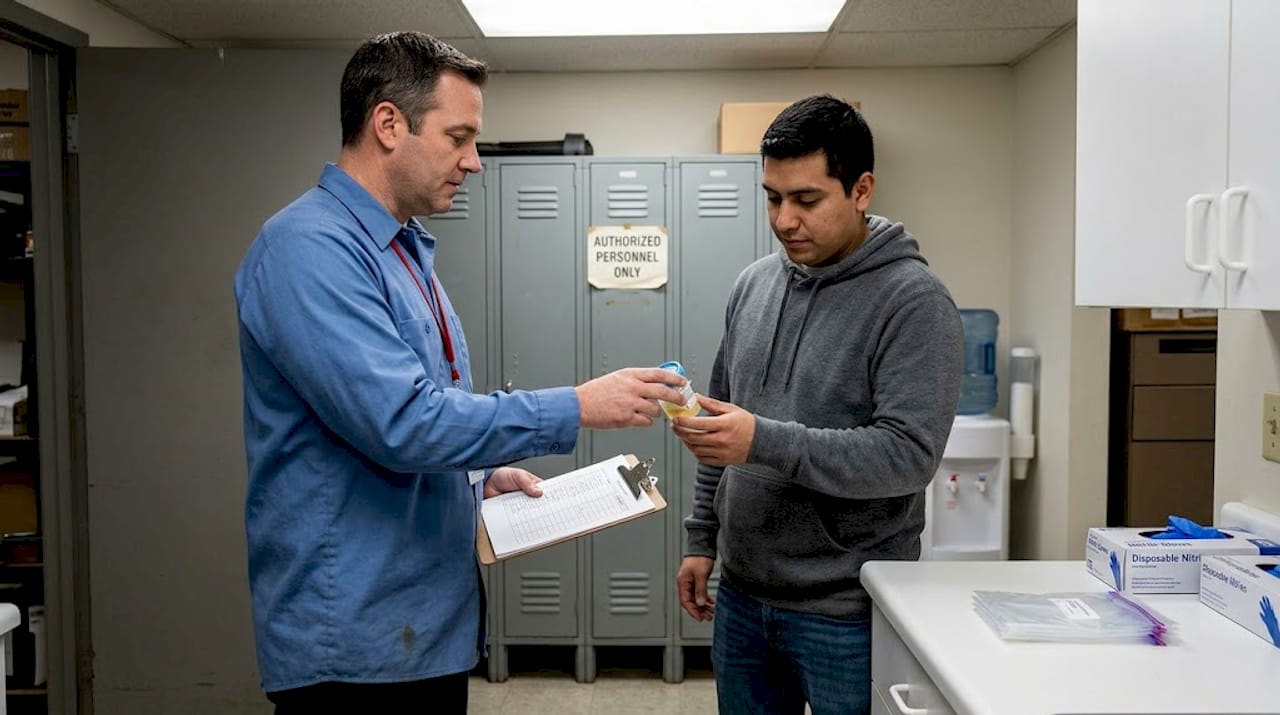
Common testing methods include urine, oral fluid, and hair, each with distinct strengths. Urine is the gold standard for broad detection windows and regulatory acceptance. Oral fluid is ideal for detecting recent use and impairment. Hair provides a long-term record of substance use, sometimes up to 90 days.
| Method | Detection window | Best use case | Accuracy |
|---|---|---|---|
| Urine | 1 to 30 days | Pre-employment, random, post-accident | Very high |
| Oral fluid | 24 to 48 hours | Reasonable suspicion, post-accident | High |
| Hair | Up to 90 days | Pre-employment, long-term history | High |
Confirmatory testing and Medical Review Officer (MRO) review are not optional extras. They are your legal shield. MROs verified that 71% of opiate positives, 63% of amphetamines, and 44% of benzodiazepines were legitimate prescriptions. Without MRO review, you risk disciplining an employee for a medication they were legally prescribed.
Review types of urine test strips to understand which panels and formats best match your compliance needs. For collection protocols, a detailed urine collection step guide ensures your team handles specimens correctly every time.
When to use each method:
- Urine: Pre-employment screening, federally mandated DOT testing, random programs
- Oral fluid: Post-accident and reasonable suspicion scenarios, especially where recent impairment is the concern
- Hair: Background checks, positions requiring long-term sobriety records
Pro Tip: If your workforce operates in a state where cannabis is legal, oral fluid testing is your best tool for demonstrating current impairment rather than past use. This distinction is increasingly important in legal challenges. Review SAMHSA drug testing FAQs for guidance on method selection under federal guidelines. Knowing how to manage test results accurately is just as important as choosing the right method.
Navigating legal compliance and privacy requirements
After selecting methods, it is essential to ensure your protocols comply with evolving legal standards and employee privacy. The legal landscape for workplace drug testing in 2026 is more complex than ever, with federal mandates layered over a patchwork of state laws.
ADA allows testing for illegal drugs, but legal medications require MRO review. DOT mandates specific panels and methods for safety-sensitive roles. State laws, such as Minnesota’s oral fluid rule and protections for off-duty cannabis use, require constant tracking. Ignoring state-level rules is one of the most expensive mistakes HR teams make.
| Regulation | Key requirement | Who it applies to |
|---|---|---|
| ADA | No discrimination for past drug use; MRO review for prescriptions | All employers |
| DOT | Mandated panels, urine or oral fluid, MRO required | Safety-sensitive roles |
| EEOC | Post-offer testing only in many cases; strict confidentiality | All employers |
| State laws | Cannabis off-duty protections, oral fluid rules vary | Varies by state |
EEOC mandates confidentiality and post-offer testing only in many cases, and SAMHSA panels cover THC, cocaine, amphetamines, opiates, and PCP. Review the DOT 2026 guidelines if your organization includes any safety-sensitive transportation roles.
“Testing for impairment, not past use, is becoming best practice as cannabis legalization reshapes what employers can and cannot act on.”
How to protect employee confidentiality:
- Store all test results in a separate, restricted file, never in the general personnel file
- Limit result access to HR and direct supervisors on a need-to-know basis
- Train all staff who handle results on confidentiality obligations
- Use encrypted digital systems for result storage and transmission
Review legal considerations for drug testing and understand employee privacy protection standards before rolling out any new protocols. Understanding drug policy benefits in the context of legal compliance helps frame the business case for leadership buy-in.
Implementation, training, and communication for consistent testing
Once you are compliant, the next step is to ensure your testing policy is applied consistently and fairly throughout your team. A policy that exists on paper but is enforced unevenly creates more legal risk than having no policy at all.
Written policy, supervisor and HR training, employee education, EAP support, consistent enforcement, and regular reviews are the foundation of effective workplace drug testing. Each element reinforces the others. Training without a written policy leads to guesswork. A policy without training leads to inconsistent enforcement.
Implementation sequence:
- Draft and legally review your written policy
- Obtain leadership sign-off and set an effective date
- Train HR staff on policy details, legal requirements, and result handling
- Train supervisors on objective suspicion documentation and referral procedures
- Communicate the policy to all employees in writing before the effective date
- Launch the testing program with a clear rollout announcement
- Establish Employee Assistance Program (EAP) resources and share them with staff
- Schedule the first annual policy review within 12 months
Supervisor training on objective suspicion is especially important. Supervisors must document specific, observable behaviors, such as slurred speech, unsteady movement, or the smell of alcohol, rather than general impressions. Vague documentation is what gets employers into legal trouble.
Random testing is the most effective deterrent, with current US positivity rates at 4.5 to 4.6%. The deterrence effect only works when employees genuinely believe they could be selected at any time. Transparent communication about how random selection works builds that credibility.
Pro Tip: Pair your testing program with an active EAP. Employees who know support is available are more likely to self-report issues before a positive test. This approach reduces turnover and demonstrates that your organization values recovery, not just punishment. Learn more about drug testing benefits for HR and build a clear protocol for handling positive drug tests before you need it. Review the SAMHSA workplace toolkit for EAP integration guidance.
What most workplace drug testing guides miss: The real-world balancing act
With the implementation steps in place, it is time to challenge conventional wisdom and look at the most overlooked factors in effective workplace testing. Most guides stop at compliance. The real challenge is what happens when the law, employee expectations, and workplace safety pull in different directions.
Cannabis legalization and emerging impairment technology are shifting how workplace drug policies address safety and privacy. A positive urine test for THC no longer tells you what it used to. An employee could have used cannabis two weeks ago on a legal day off and still test positive today. Acting on that result in a state with off-duty use protections is a lawsuit waiting to happen.
Safety-critical industries, like transportation, construction, and healthcare, still need robust random testing programs. But office-based roles may require a more nuanced approach that prioritizes impairment detection over historical use. The one-size-fits-all policy era is ending.
Emerging technologies like oral fluid point-of-care tests and even breath-based cannabis detection devices are changing what is possible. These tools let you test for actual impairment in real time, which is both more legally defensible and more directly tied to workplace safety outcomes.
Pro Tip: Rethink your policy annually with direct employee input and a privacy audit. Employees who feel the policy is fair are more likely to support it, and their feedback often surfaces compliance gaps you would not catch otherwise. Start by reviewing effective drug testing strategies through the lens of your specific industry and workforce.
Upgrade your workplace drug testing toolkit
To implement these best practices with ease, advanced test kits and resources can make a significant difference. Choosing the right supplies is not just about cost. It is about accuracy, compliance, and speed of results.
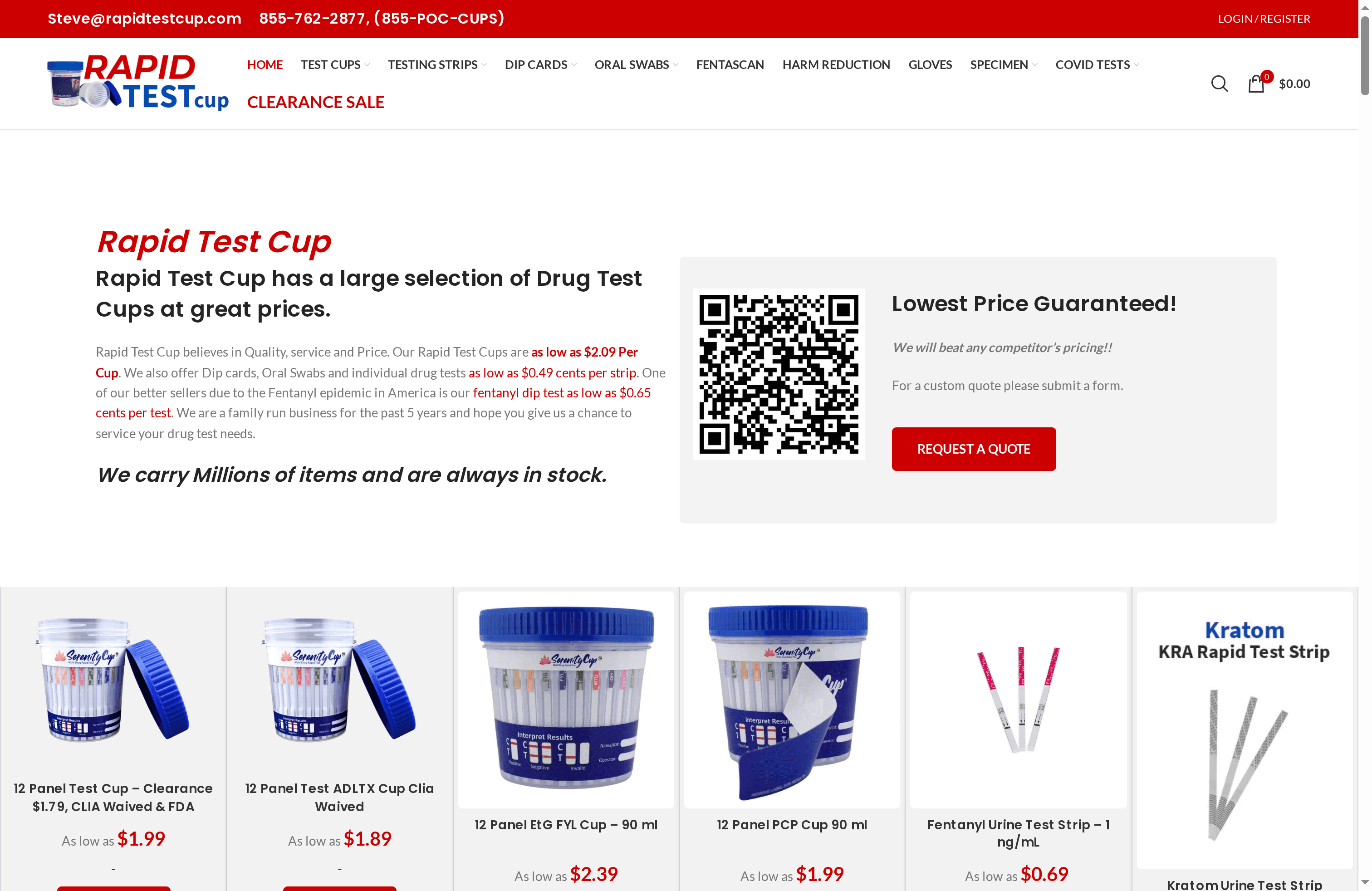
At Rapid Test Cup, we stock a full range of FDA-approved, CLIA waived testing solutions designed for professional use. The 12 panel rapid test cup delivers fast, accurate results across the most common drug panels, making it a reliable choice for pre-employment and random testing programs. For programs that need broader coverage, the 22 panel drug test includes adulterant detection and expanded substance panels. Explore our full range of urine test strip types to find the format that fits your workflow and volume needs. Proactive testing, backed by quality supplies, is the foundation of a safer workplace.
Frequently asked questions
What type of drug test is most effective for workplace safety?
Random urine testing is widely regarded as the most effective deterrent for workplace drug use, especially in safety-critical industries, because employees cannot predict when they will be selected.
How do employers handle prescription medications during drug testing?
Prescription positives must be reviewed by a Medical Review Officer (MRO) to distinguish legitimate medications from illicit drug use. MROs distinguish legitimate prescriptions from illicit use before any adverse action is taken.
Are employers required to maintain confidentiality in drug testing?
Yes, employers must keep drug test results confidential, following EEOC and ADA guidelines to protect employee privacy. EEOC mandates confidentiality in how results are stored, shared, and used in employment decisions.
What is a SAMHSA panel, and why is it important?
A SAMHSA panel refers to federally approved drug testing panels covering substances like THC, cocaine, amphetamines, opiates, and PCP, ensuring compliance for regulated employers.
How does cannabis legalization affect workplace drug testing policies?
Employers are shifting focus to impairment testing, especially with oral fluid methodology, as laws change around past cannabis use. Testing for impairment, not past use, is now best practice in states with cannabis protections.