

Blog
Top reasons for employee drug screening: boost safety


Employers evaluating drug screening programs often struggle to justify the investment and navigate complex regulations while balancing employee privacy concerns. Understanding the core reasons supporting workplace drug testing helps HR professionals design effective policies that enhance safety, ensure compliance, and improve productivity. This article explores five key reasons why employee drug screening remains a critical component of modern workplace safety programs, from accident prevention to regulatory requirements and practical implementation considerations.
Table of Contents
- Key takeaways
- 1. Enhancing workplace safety and reducing accidents
- 2. Ensuring regulatory compliance and lowering liability
- 3. Deterring drug use and improving employee productivity
- 4. Understanding testing methods and legal nuances
- 5. Weighing pros and cons: making informed decisions
- Explore robust drug testing solutions from RapidTestCup
- FAQ
Key Takeaways
| Point | Details |
|---|---|
| Workplace safety impact | Comprehensive drug screening correlates with fewer workplace incidents, especially in safety sensitive roles, and random testing reinforces ongoing deterrence. |
| Regulatory compliance | Regulatory requirements from DOT and state laws necessitate testing in many industries, and robust programs can reduce workers’ compensation costs and limit liability in injury claims. |
| Deterrence and productivity | Regular testing deters substance use and can improve productivity by creating a safer, more reliable work environment. |
| Testing methods tradeoffs | Different testing methods offer varying accuracy, speed, and costs, requiring careful evaluation of pre employment, random, post incident and reasonable suspicion approaches. |
| Privacy and policy design | Legal and privacy considerations demand thoughtful policy design, clear employee communication, and consistent procedures to protect privacy while maintaining safety. |
1. Enhancing workplace safety and reducing accidents
Enhancing workplace safety by reducing accidents is a primary reason for drug screening. Organizations with comprehensive testing programs report measurable decreases in workplace incidents, particularly in industries where impairment creates immediate danger. Transportation, manufacturing, construction, and healthcare sectors benefit most from rigorous screening protocols.
Safety-sensitive positions demand heightened vigilance. Forklift operators, commercial drivers, heavy machinery operators, and medical professionals work in environments where split-second decisions affect lives. A positive correlation exists between testing frequency and lower positivity rates, suggesting that regular screening creates a deterrent effect beyond simply catching impaired workers.
Statistics demonstrate tangible results. The transportation industry has documented significant injury reductions following implementation of mandatory alcohol and drug screening programs. Companies that adopted workplace drug testing benefits reported fewer workers’ compensation claims and reduced insurance premiums. The data becomes even more compelling when examining random testing programs, which catch substance use that pre-employment screening might miss.
Consider these safety impacts:
- Pre-employment screening establishes baseline expectations and filters high-risk candidates
- Random testing maintains ongoing deterrence throughout employment
- Post-accident testing identifies substance involvement and protects liability claims
- Reasonable suspicion testing addresses observable impairment before incidents occur
The connection between random drug testing workplace safety 2026 protocols and accident prevention extends beyond direct impairment detection. Testing programs signal organizational commitment to safety culture, encouraging employees to make responsible choices both on and off duty. Workers in tested environments report higher confidence in colleague reliability and equipment operation safety.
2. Ensuring regulatory compliance and lowering liability
Regulatory compliance with DOT and federal guidelines is a key reason for drug screening. Federal regulations mandate testing for specific industries, creating non-negotiable requirements that employers must meet to maintain operating licenses and avoid substantial penalties. The Department of Transportation enforces strict testing protocols for commercial drivers, aviation personnel, railroad workers, and pipeline operators.
Beyond federal mandates, state regulations add complexity. Some states require testing for certain occupations or provide workers’ compensation premium discounts for employers maintaining certified drug-free workplace programs. Testing reduces workers’ compensation costs by identifying substance involvement in injury claims, potentially saving thousands per incident. Employers can deny benefits when injuries result from policy violations, though this requires documented procedures and consistent enforcement.
Liability protection extends to third-party claims. If an impaired employee causes injury to customers, clients, or the public, robust testing programs demonstrate reasonable care and due diligence. Courts view comprehensive screening policies favorably when evaluating negligent hiring or retention claims. The role of drug testing in compliance 2026 guide outlines how proper documentation protects organizations during litigation.
Consistent policies prevent legal risks:
- Written policies clearly communicate testing circumstances and consequences
- Uniform application across all employees avoids discrimination claims
- Medical Review Officer (MRO) review ensures legitimate prescriptions don’t trigger false positives
- Confidential handling of results protects employee privacy rights
MRO review is essential for handling prescription-related positives. When tests detect controlled substances, MROs verify legitimate medical use before reporting results to employers. This process protects employees with documented prescriptions while identifying recreational use. Understanding legal considerations drug testing helps HR professionals navigate prescription medications, disability accommodations, and state-specific restrictions.
3. Deterring drug use and improving employee productivity
Drug screening deters drug use, reduces absenteeism and turnover, and improves productivity. The deterrent effect operates on multiple levels. Job applicants who use drugs often self-select out of the hiring process when they learn about testing requirements. Current employees modify behavior knowing random testing could occur at any time. This preventive function may exceed the value of catching actual substance use.

Productivity gains manifest through several mechanisms. Employees struggling with substance use disorders typically show higher absenteeism rates, arriving late or missing shifts entirely. They experience reduced focus and slower task completion. Workplace drug testing programs correlate with lower turnover rates, saving recruitment and training costs. Organizations report that drug-free workplaces show improved morale, as reliable team members don’t carry extra burden covering for impaired colleagues.
The deterrent effect strengthens with clear communication. Employees who understand testing policies, consequences, and support resources make more informed decisions. Transparency about testing methods, frequency, and circumstances removes uncertainty. When workers know that reasonable suspicion observations or post-accident protocols will trigger testing, they recognize that impairment will likely be detected.
Key productivity improvements include:
- Reduced absenteeism through deterrence of substance use
- Lower turnover rates among employees committed to drug-free standards
- Improved team reliability and reduced burden on coworkers
- Enhanced focus and task completion rates
Pro Tip: Pair testing programs with Employee Assistance Programs (EAPs) offering confidential counseling and treatment referrals. This combination maximizes deterrence while supporting employees who voluntarily seek help before testing positive. The compassionate approach improves outcomes and demonstrates organizational commitment to employee wellbeing. Learn more about implementing effective protocols through how to conduct workplace drug testing resources.
4. Understanding testing methods and legal nuances
Different testing methodologies have varying detection windows and legal considerations. Urine testing remains the most common method due to cost effectiveness and reasonable detection windows. Hair follicle testing detects longer usage patterns, identifying substance use up to 90 days prior. Saliva testing offers shorter windows but detects recent use, making it valuable for reasonable suspicion situations. Blood testing provides the most accurate impairment assessment but costs more and requires medical personnel.
| Test Type | Detection Window | Primary Use | Key Advantage |
|---|---|---|---|
| Urine | 2-4 days (most drugs) | Pre-employment, random | Cost effective, widely accepted |
| Hair | Up to 90 days | Pattern detection | Long history, difficult to adulterate |
| Saliva | 24-48 hours | Reasonable suspicion | Recent use, less invasive |
| Blood | Hours to 2 days | Post-accident | Impairment correlation |
False positives create legal challenges requiring careful handling. Poppy seeds can trigger opiate positives, though modern testing thresholds reduce this risk. Certain cold medications containing pseudoephedrine may cause amphetamine positives. CBD products sometimes contain trace THC amounts sufficient to trigger positive results despite legal use. These scenarios underscore why MRO review is critical before taking adverse employment action.
THC metabolites linger long after impairment ends, complicating cannabis testing. Someone who used marijuana days or weeks earlier may test positive despite current sobriety. This creates particular challenges as more states legalize recreational cannabis. Federal Schedule I classification conflicts with state laws, leaving employers navigating contradictory frameworks. Safety-sensitive positions generally maintain zero-tolerance policies regardless of state legalization.
Legal considerations vary by jurisdiction:
- Some states prohibit pre-employment marijuana testing except for safety-sensitive roles
- Americans with Disabilities Act (ADA) requires accommodations for prescription medications
- State laws may mandate specific testing procedures or result handling protocols
- Medical marijuana cardholders may have protections in certain jurisdictions
Pro Tip: Establish relationships with certified laboratories and qualified MROs before implementing testing programs. These professionals guide method selection, interpret results accurately, and ensure regulatory compliance. Their expertise proves invaluable when handling complex scenarios like prescription medications or contested results. Explore legal considerations drug testing and drug screening workflow guide compliance for implementation frameworks.
5. Weighing pros and cons: making informed decisions
There is mixed evidence on drug screening effectiveness; costs and privacy concerns are factors. Employers must evaluate multiple dimensions when designing testing programs. While safety benefits and regulatory compliance provide strong justification, implementation costs, employee relations impacts, and legal restrictions require careful consideration. The optimal approach balances these competing interests based on industry, workforce composition, and organizational culture.
| Consideration | Advantages | Challenges |
|---|---|---|
| Safety impact | Documented accident reduction in some industries | Limited injury prevention evidence in others |
| Financial | Lower insurance premiums, reduced claims | Testing costs, administration expenses |
| Legal | Liability protection, compliance fulfillment | Privacy concerns, state restrictions |
| Workforce | Productivity gains, deterrence effect | Employee relations, recruitment impacts |
The pros include measurable benefits across multiple domains. Accident reduction, particularly in high-risk industries, justifies program costs through avoided injuries and associated expenses. Liability control protects organizations from negligent hiring claims and workers’ compensation fraud. Productivity gains emerge through reduced absenteeism and improved reliability. Regulatory compliance avoids penalties and maintains operating licenses.
The cons require honest assessment. Some research shows limited injury prevention in lower-risk industries, questioning return on investment. Testing costs accumulate quickly, especially with random programs requiring frequent sampling. Privacy concerns affect employee morale, particularly in states with strong worker protections. Legal restrictions increasingly limit marijuana testing, forcing policy revisions. Recruitment challenges emerge in tight labor markets when candidates choose employers without testing requirements.
Cannabis legalization creates particular complexity:
- Many states now restrict pre-employment marijuana testing
- Federal contractors must maintain drug-free workplace policies including cannabis
- Safety-sensitive positions generally retain zero-tolerance standards
- Impairment testing technology remains underdeveloped for THC
“Employers should balance workplace safety needs, legal liability risks, and implementation costs when designing drug testing programs. One-size-fits-all approaches rarely succeed. Tailored policies reflecting specific industry hazards, regulatory requirements, and organizational culture produce optimal outcomes.”
Expert recommendation emphasizes customization. Transportation companies face different requirements than office environments. Manufacturing facilities with heavy equipment need more rigorous protocols than retail operations. Start by identifying safety-sensitive positions requiring testing, then determine appropriate methods and frequency. Consult legal counsel familiar with state-specific restrictions. Communicate policies transparently and consistently enforce standards. Review why drug testing policies matter key benefits 2026 for strategic planning guidance.
Explore robust drug testing solutions from RapidTestCup
Implementing effective drug screening programs requires reliable testing products that deliver accurate results while meeting regulatory standards. RapidTestCup offers comprehensive solutions designed for professional workplace testing environments.
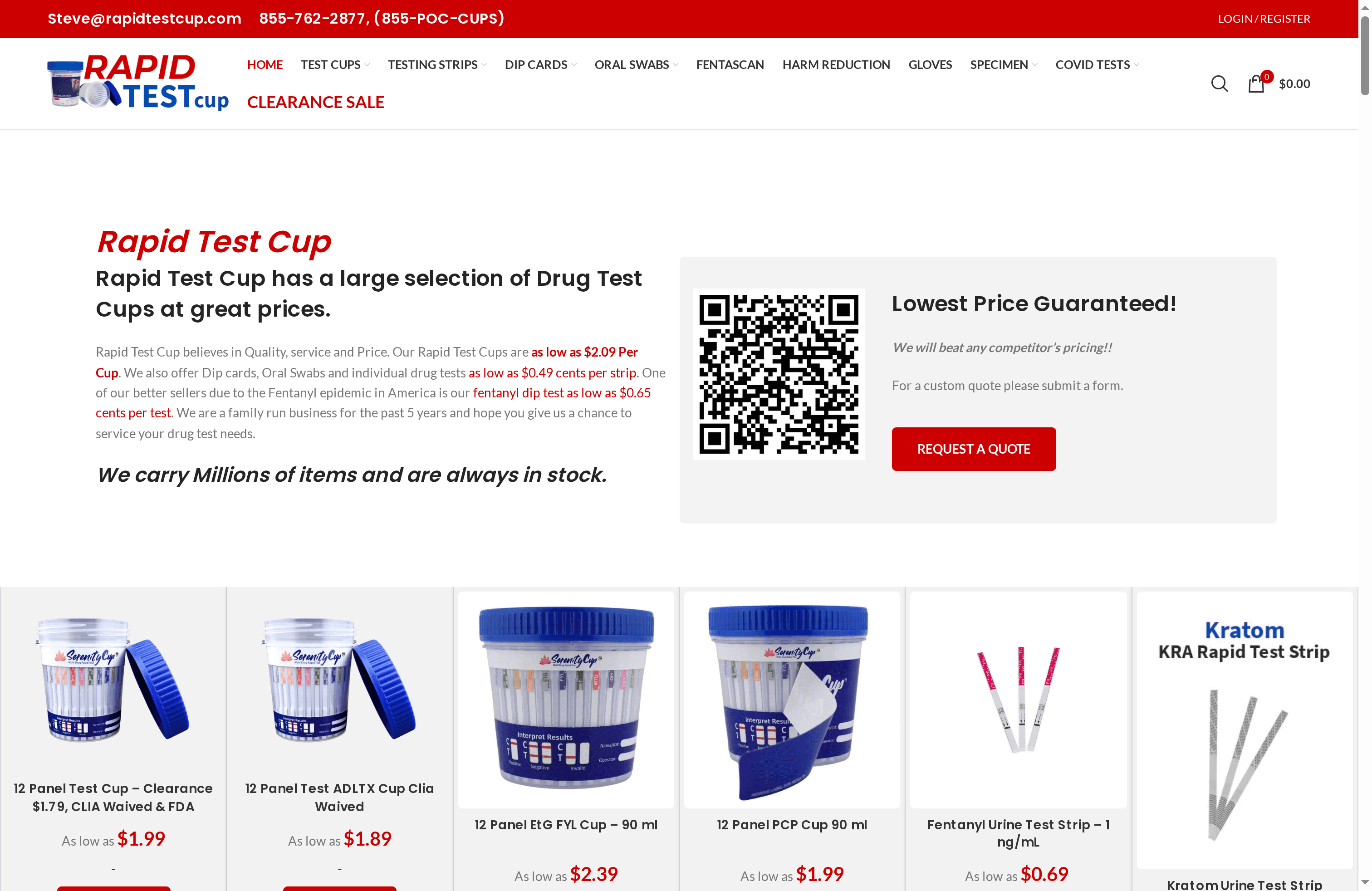
Our extensive catalog includes multi-panel drug test cups configured for different screening needs. The 12 panel drug test cup sale provides economical options for standard workplace panels. For expanded detection, the 18 panel drug test cup with adulterants includes synthetic cannabinoids and fentanyl testing. The 15 panel drug test cup with adulterants balances comprehensive detection with competitive pricing. All test kits include adulterant detection and temperature strips ensuring specimen validity.
Pro Tip: Choose panels aligned with your regulatory requirements and workforce risks. DOT-regulated positions require specific five-panel testing, while other industries benefit from expanded panels detecting synthetic drugs and prescription medication misuse.
FAQ
What are the most common reasons employers conduct drug screening?
Employers implement drug screening primarily for workplace safety, regulatory compliance, and productivity improvement. Safety-sensitive industries use testing to reduce accidents and injuries caused by impaired workers. Federal and state regulations mandate screening for certain positions, particularly in transportation and healthcare. Testing also deters substance use, reduces absenteeism, and lowers workers’ compensation costs.
How often should random drug testing be conducted for safety-sensitive roles?
Testing frequency varies by industry regulation and organizational policy. DOT-regulated employers must test a minimum percentage of their workforce annually, typically 10-50% depending on the industry. Many organizations conduct quarterly or monthly random selections to maintain deterrent effects. Higher-risk environments often implement more frequent testing, while lower-risk positions may use annual or semi-annual schedules.
What legal considerations should employers keep in mind with cannabis testing?
Cannabis remains federally illegal as a Schedule I substance, but many states have legalized medical or recreational use. This creates conflicts requiring careful navigation. THC metabolite detection indicates past use but not current impairment, complicating workplace decisions. Some states now prohibit pre-employment marijuana testing except for safety-sensitive positions. Employers should consult legal counsel to ensure policies comply with evolving state restrictions while maintaining safety standards.
Can drug testing programs really reduce workplace accidents?
Research shows mixed evidence depending on industry and implementation quality. Transportation and manufacturing sectors report measurable injury declines following comprehensive testing program adoption. Random testing creates deterrent effects even when causality isn’t definitively proven. However, some studies find limited accident prevention in lower-risk environments. The effectiveness depends on program design, consistent enforcement, and integration with broader safety culture initiatives.
What happens if an employee tests positive for prescription medication?
Medical Review Officers (MROs) verify all positive results before employers receive reports. When controlled substances appear, MROs contact employees to review legitimate prescriptions. Valid medical use with proper documentation results in negative reports to employers. If no legitimate explanation exists, MROs report confirmed positives. The Americans with Disabilities Act may require reasonable accommodations for employees with documented medical needs, though safety-sensitive positions have stricter standards.